
There’s something magical about trout fishing that draws anglers of all ages to pristine streams and crystal-clear lakes. These beautiful, speckled fish offer both challenge and reward, making them perfect for anyone looking to elevate their freshwater fishing game. Whether you’re eyeing rainbow trout in mountain streams or brown trout in quiet lakes, understanding the basics will dramatically improve your success rate.
Unlike bass or catfish that might forgive a clumsy presentation, trout demand finesse and patience. But don’t worry — once you learn their habits and preferences, you’ll find yourself consistently bringing these gorgeous fish to your net.
What Makes Trout Special

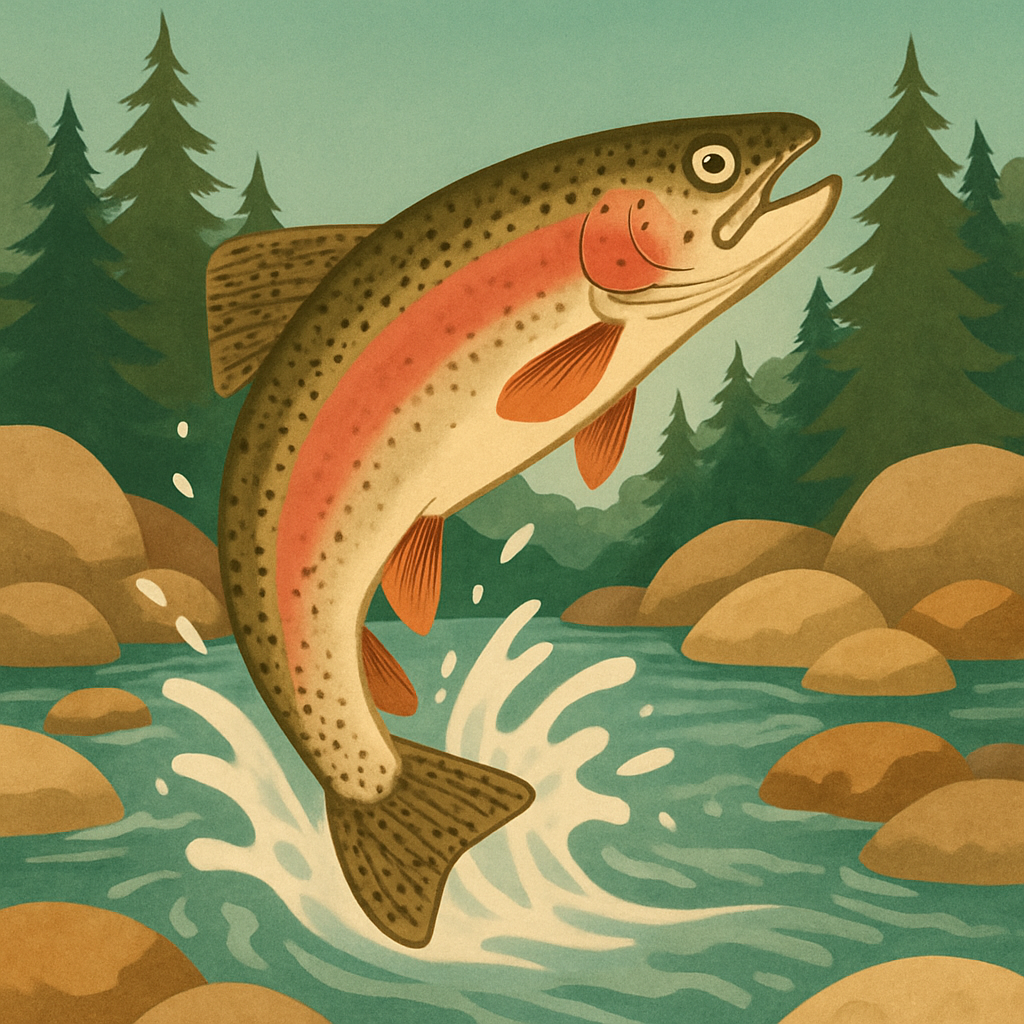
Trout belong to the salmon family and are known for their fighting spirit and striking appearance. The most common species you’ll encounter are rainbow trout with their distinctive pink stripe, brown trout with their golden-brown coloring and dark spots, and brook trout (technically a char) with their vibrant colors and white-edged fins.
These fish thrive in cold, oxygen-rich waters typically between 50-65°F. This preference means you’ll find them in mountain streams, spring-fed lakes, and tailwaters below dams where the water stays consistently cool. Their acute vision and wariness make them more challenging than many other freshwater species, but that’s exactly what makes catching them so rewarding.
Where to Find Trout
Success in trout fishing starts with understanding where these fish live. In streams, look for deeper pools, undercut banks, and areas where fast water meets slow water. Trout love structure — fallen trees, large rocks, and overhanging vegetation provide both shelter and feeding opportunities.
In lakes, trout typically stay in deeper, cooler water during summer, coming shallow during cooler months or low-light periods. Look for drop-offs, weed lines, and areas where streams enter the lake. Spring and fall offer the best opportunities as trout move to shallower water to feed.
- Stream fishing: Focus on pools, eddies, and overhanging cover
- Lake fishing: Target drop-offs, weed lines, and tributary mouths
- Seasonal patterns: Shallow in spring/fall, deeper in summer
- Time of day: Early morning and evening produce best results
Essential Trout Fishing Techniques
While there are countless ways to fish for trout, mastering a few basic techniques will cover most situations you’ll encounter. Each method has its place depending on water conditions and trout behavior.
Still Fishing with Bait
This traditional approach works exceptionally well in lakes and slower streams. Use a small hook (size 8-12) baited with worms, salmon eggs, or PowerBait. Add just enough weight to get your bait to the right depth, and use a bobber to detect subtle bites.
Spin Fishing with Lures
Small spinners like Rooster Tails and Panther Martins are incredibly effective for trout. Cast upstream and let the lure tumble naturally with the current, reeling just fast enough to keep the blade spinning. This technique works well in both streams and lakes.
Drift Fishing in Streams
Use the current to your advantage by letting natural baits like worms or salmon eggs drift downstream. Use just enough weight to keep your bait near the bottom, and watch your line for any unnatural movement that indicates a strike.
Best Baits and Lures for Trout
Trout can be surprisingly selective, but certain baits and lures consistently produce results. Natural baits often work best, especially when trout are being finicky or the water is heavily pressured.
Live Worms
Universal appeal, work in all conditions, easy to use.
Salmon Eggs
Irresistible to trout, especially effective during spawning seasons.
Small Spinners
Great for covering water, trigger aggressive strikes.
Large Baits
Trout have small mouths; oversized presentations get ignored.
Bright Colors in Clear Water
Natural colors usually outperform flashy options in pristine conditions.
Essential Gear for Trout Success
Trout fishing doesn’t require expensive gear, but using the right tackle makes a significant difference. A lightweight setup allows better bait presentation and helps you feel those subtle trout bites that are easy to miss with heavy tackle.
- Rod: 6-7 foot light to medium-light action spinning rod
- Reel: Small spinning reel with smooth drag system
- Line: 4-8 pound test monofilament or fluorocarbon
- Hooks: Size 8-12 baitholder or treble hooks
- Sinkers: Split shot or small egg sinkers
- Net: Rubber-mesh landing net to protect fish
Reading Trout Water
Successful trout anglers learn to “read” the water, identifying productive areas before even making their first cast. This skill comes with experience, but understanding the basics will dramatically improve your success from day one.
In moving water, trout position themselves where they can feed efficiently while conserving energy. They face upstream to intercept food drifting down with the current, but they don’t want to fight heavy water all day. Look for areas where moderate current meets slower water — these transition zones are trout magnets.
Frequently Asked Questions
What’s the best time of day for trout fishing?
Early morning (first hour after sunrise) and evening (hour before sunset) are typically most productive. Trout are more active in low-light conditions and often feed more aggressively during these periods.
Do I need special equipment for stream fishing?
A lightweight rod and reel with 4-6 pound test line is ideal for streams. Waders aren’t necessary but can help you access better fishing spots. Felt-soled boots provide good traction on slippery rocks.
How do I know if there are trout in a particular water?
Check with local fishing shops, state fish and wildlife websites, or use apps like FishBrain. Trout require cold, clean water, so look for streams fed by springs or lakes at higher elevations.
Should I practice catch and release with trout?
Many anglers practice catch and release to preserve trout populations. Use barbless hooks, handle fish gently with wet hands, and release quickly in cold water. Check local regulations as some waters have specific rules.
Final Thoughts
Trout fishing combines technical skill with outdoor adventure in some of the most beautiful settings nature offers. Start with simple techniques like still fishing with worms or casting small spinners, then gradually expand your skills as you gain confidence. Remember, even experienced anglers get skunked sometimes — trout can be maddeningly selective, but that unpredictability is part of their appeal.
Most importantly, take time to enjoy the entire experience. The sound of flowing water, the sight of a perfectly executed cast, and the thrill of a trout’s first run are rewards that go far beyond just catching fish.