
Pike fishing delivers some of the most exciting freshwater action you’ll experience. These aggressive predators strike with explosive force and fight like fish twice their size, making them a favorite target for anglers seeking adrenaline-pumping battles. Whether you’re casting for northern pike in weedy bays or trolling deep structure for trophy fish, understanding their behavior and using appropriate tackle will dramatically improve your success and safety.
Pike are apex predators that demand respect both in the water and in your hands. Their razor-sharp teeth, powerful jaws, and aggressive nature make them thrilling to catch but require special handling techniques to ensure both angler safety and fish survival during catch and release.
Understanding Pike Behavior

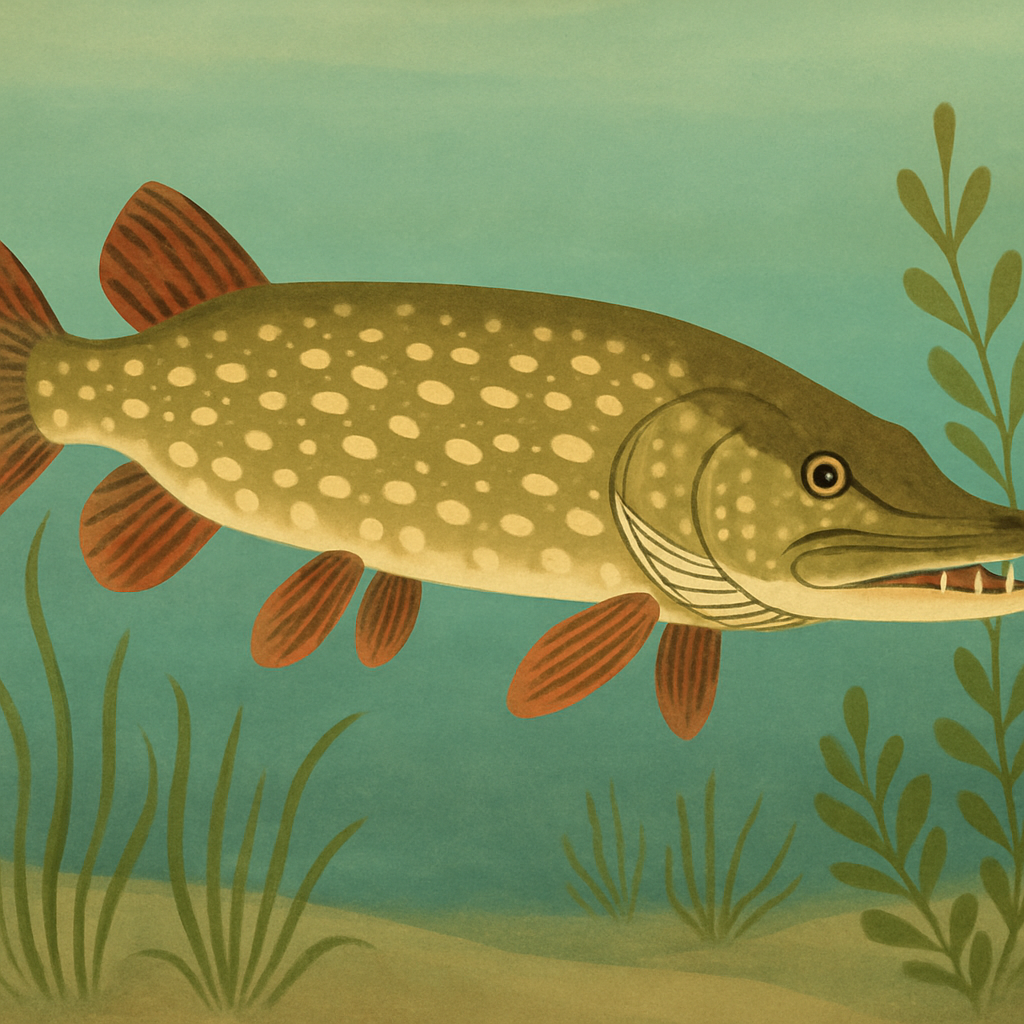
Northern pike are classic ambush predators that prefer weedy, shallow areas where they can hide and ambush unsuspecting prey. These torpedo-shaped fish can reach impressive speeds in short bursts, making their strikes sudden and powerful. Pike typically hold near structure — weed beds, fallen trees, drop-offs, and rocky areas provide both ambush opportunities and cover.
Understanding their feeding behavior gives you a significant advantage. Pike are visual predators that react strongly to movement and flash. They’re most active during low-light periods but will aggressively strike well-presented lures throughout the day, especially during spring and fall when their metabolism peaks.
Best Locations for Pike
Success in pike fishing starts with understanding their habitat preferences. Pike thrive in lakes and rivers with adequate vegetation and baitfish populations. They prefer water temperatures between 60-70°F, which keeps them in shallow to mid-depth ranges during most fishing seasons.
Prime pike locations share common characteristics: adequate depth (8-25 feet), nearby shallow feeding areas, abundant vegetation or structure, and healthy baitfish populations. These areas act as staging grounds where pike can ambush prey while remaining close to deeper water for temperature regulation.
- Weed beds: Edges and openings in thick vegetation
- Drop-offs: Transition zones from shallow to deep water
- Rocky areas: Points, humps, and boulder fields
- Structure: Fallen trees, docks, and bridge pilings
- Inlets/outlets: Current areas that concentrate baitfish
Essential Pike Fishing Techniques
Pike respond well to aggressive presentations that trigger their predatory instincts. Unlike finesse fishing for panfish, pike fishing rewards bold presentations that create flash, vibration, and erratic movement patterns that simulate wounded or fleeing baitfish.
Casting and Retrieving
Cast large spoons, spinners, or jerkbaits to likely areas and retrieve with varying speeds and actions. Pike often follow lures before striking, so figure-eight patterns at the boat can trigger following fish to commit. Use steady retrieves punctuated by pauses to imitate wounded baitfish.
Trolling
Trolling allows you to cover large areas efficiently while maintaining lures at optimal depths. Use diving crankbaits, spoons, or large spinners trolled along weed lines, drop-offs, or structure. Vary your speed and direction to trigger strikes from following fish.
Dead Sticking
For finicky pike or during cold fronts, suspend live or dead baitfish under tip-ups or use extremely slow retrieves. This technique works exceptionally well in late fall and winter when pike are less aggressive but still feeding.
Best Lures and Baits for Pike
Pike have excellent vision and are drawn to flashy, aggressive presentations. While they’ll eat almost anything that moves, certain lure types consistently outperform others due to their ability to trigger the pike’s predatory response.
Large Spoons
Classic pike lures that create flash and vibration, weedless options work well in heavy cover.
Jerkbaits
Mimic wounded baitfish with erratic action that triggers aggressive strikes.
Inline Spinners
Large sizes with bright blades create vibration that pike can detect from long distances.
Small Lures
Pike prefer substantial meals; tiny presentations often get ignored.
Subtle Colors
Natural colors work, but bright, contrasting patterns typically trigger more strikes.
Essential Pike Fishing Gear
Pike fishing demands specialized gear due to their size, fighting ability, and sharp teeth. Using appropriate tackle not only improves your success rate but also ensures you can safely handle these powerful predators without injury to yourself or the fish.
- Rods: 7-8 foot medium-heavy to heavy action for power and casting distance
- Reels: Quality baitcasting or large spinning reels with strong drag systems
- Line: 15-30 pound test with steel or fluorocarbon leaders
- Leaders: 12-18 inch steel leaders to prevent bite-offs
- Pliers: Long-nose pliers for safe hook removal
- Net: Large, deep net with rubber mesh to protect fish
Safe Pike Handling Techniques
Pike require special handling due to their sharp teeth, gill rakers, and powerful bodies. Proper techniques protect both angler and fish while ensuring successful catch and release. Never attempt to lip a pike like you would a bass — their teeth will cause serious injury.
Always use long-nose pliers or a hook removal tool to extract hooks, keeping your fingers well away from the pike’s mouth. Support larger pike horizontally with one hand behind the gill plate and another supporting the belly to prevent spine damage. Use a large net to land pike rather than attempting to boat them by hand.
Frequently Asked Questions
Do I need a steel leader for pike fishing?
Yes, absolutely. Pike have extremely sharp teeth that will easily cut through monofilament or fluorocarbon line. Use 12-18 inches of steel leader or heavy fluorocarbon (60+ pounds) to prevent bite-offs and lost lures.
What’s the best time of year for pike fishing?
Spring (just after ice-out) and fall offer the most consistent action when pike are actively feeding. Summer fishing can be good in deeper water or during low-light periods. Winter ice fishing can also be very productive.
How do I safely release a pike?
Keep the fish in the water if possible. Use long-nose pliers to remove hooks, support the fish horizontally, and avoid touching the gills. Revive exhausted fish by gently moving them forward in the water until they swim away strongly.
Are pike good to eat?
Pike can be excellent table fare when properly prepared. The key is dealing with the Y-bones through careful filleting or using a pressure cooker. Smaller pike (under 24 inches) typically have better texture and fewer bones.
Final Thoughts
Pike fishing combines the excitement of targeting aggressive predators with the challenge of outsmarting one of freshwater’s craftiest hunters. These magnificent fish reward anglers who understand their habits and use appropriate presentations, but they demand respect and proper handling techniques.
Start with proven locations like weed lines and drop-offs, use quality tackle designed for the task, and always prioritize safety when handling these toothy predators. With experience, you’ll develop the confidence to consistently locate and catch these thrilling freshwater gamefish.