

Few things sour a fishing trip faster than opening your tackle bag and finding tangled lures, leaking bait containers, and hooks hiding where your fingers are about to go. Good fishing storage is not just about looking neat. It saves time, protects your tackle, and helps you spend more of the day casting instead of digging around.
Most beginners start with decent gear and a messy system. That is normal. The fix is not buying more boxes than you can carry. The fix is building a simple storage routine for hooks, soft plastics, hard baits, line, and the odds and ends that always seem to wander around the bag.
The best tackle storage system is the one that helps you find what you need in seconds. If you know where your bobbers, weights, pliers, and soft baits live, you fish with more confidence. It is that simple.
Why Fishing Storage Matters on Real Trips
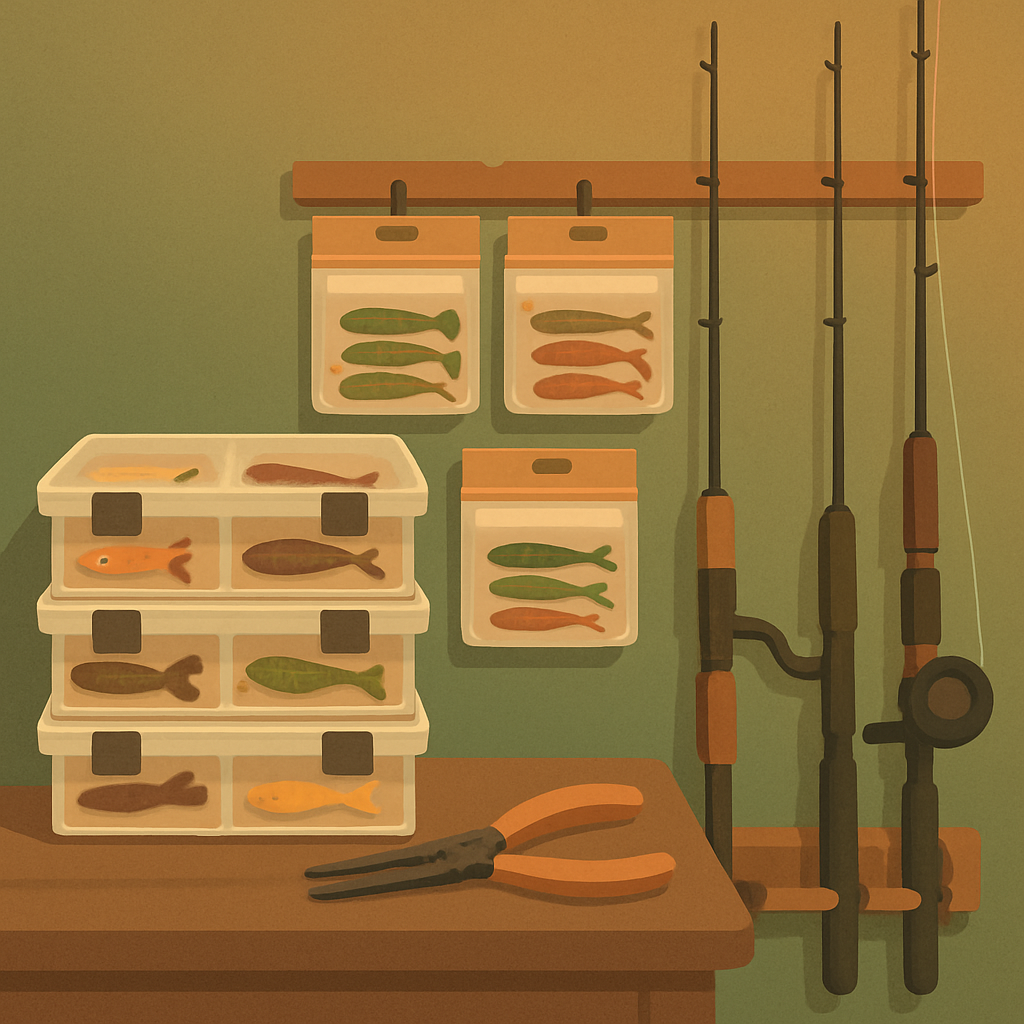
When gear is disorganized, every small adjustment takes longer. Re-tying after a snag feels annoying. Changing lure colors becomes a chore. And if hooks are loose, storage becomes a safety issue too.
Good fishing organization gives you three advantages right away:
- Faster decisions: You can switch techniques without rummaging around.
- Longer gear life: Dry, sorted tackle resists rust and damage.
- Less stress: A tidy bag or tackle box keeps the trip calm and enjoyable.
Organization helps beginners learn faster
When every item has a place, you remember what you own and how it is meant to be used. That speeds up the learning curve. Instead of buying duplicates because you forgot what was already in the garage, you build a better system over time.
How to Store Hooks, Weights, and Terminal Tackle
Terminal tackle is the easiest gear to lose and the most annoying to untangle, so it deserves its own section. Small utility boxes with adjustable dividers work well because you can separate hook sizes, split shot, swivels, and jig heads.
- Label by category: Hooks, weights, swivels, bobber stops, and jig heads should each have their own space.
- Keep a tiny refill kit: Refill from home stock instead of carrying every pack you own.
- Dry wet tackle fast: Open the box at home if gear got rained on or splashed.
A clear tackle storage box makes a big difference because you can spot what you need without opening every compartment. It is one of the simplest upgrades in all of fishing organization.
Smart Bait Storage for Live Bait and Soft Plastics
Live bait storage
Worms, crickets, and minnows all need different treatment, but the guiding principle is the same: keep live bait separate from food and from your main tackle. Use a proper bait container or bait cooler, and store it where it stays shaded and easy to reach.
If you use a live bait cooler, clean it after every trip. Old water, dirt, and leftover bait smell bad fast and make the next trip harder than it needs to be.
Soft plastic storage
Soft plastics are one of the trickiest parts of bait storage because different materials and scents can react badly if mixed together. A safe rule is to leave them in their original bags whenever possible, then group those bags by style inside a larger pouch or dedicated compartment.
- Worms together: Easy to compare sizes and colors.
- Grubs and tubes together: Good for panfish and crappie setups.
- Creature baits separate: These often carry extra scent or oil.
Do not dump soft plastics loose into a hot tackle box. Heat and mixing can warp them into a sticky mess.
Best Ways to Store Hard Baits, Lures, and Tools
Hard baits like crankbaits, inline spinners, and spoons do best in divided trays. Treble hooks tangle easily, so giving each lure a little room saves a surprising amount of frustration. Some anglers add small hook covers, which can be especially useful if kids or grandkids fish with you.
Your tools should also have a fixed home. Pliers, line cutters, and a measuring tape are used often enough that they should sit in an outside pocket or clipped to the bag. Digging for them at the bottom of a backpack defeats the whole idea of good fishing storage.
Faster lure and bait changes
When everything is sorted by type, you can react to conditions quickly without turning the shoreline into a garage floor.
Less damage and rust
Dry, separated gear lasts longer and stays ready for the next outing.
Easier packing before trips
You know what to grab, what is running low, and what can stay home.
Wasted fishing time
The more you search through clutter, the less time your bait is actually in the water.
More snags, rust, and replacement costs
Loose hooks and damp lures damage each other over time, leading to gear failure and unnecessary spending.
Home Storage: What to Do After the Trip
Fishing organization does not end at the lake. A lot of tackle problems start after the trip when wet boxes get thrown in the corner. Once you get home:
- Open your tackle boxes: Let moisture escape before storing them.
- Check line spools and bags: Remove damp trash, used bait cups, and stray weeds.
- Hang rods properly: Vertical racks or wall holders help prevent damage.
- Keep a reset habit: Spend five minutes restoring the bag so next trip starts clean.
This is where rod and reel storage matters too. Rods leaned in a corner tend to get stepped on, bent, or buried. A simple rack in the garage is not glamorous, but it protects your investment and keeps the whole setup feeling orderly.
Frequently Asked Questions
Should I use a tackle bag or a tackle box?
Either works well if it fits your style. A tackle bag is easier to carry and often holds multiple trays. A hard tackle box offers structure and easy stacking. Beginners usually do well with one shoulder bag and two or three utility trays inside.
What is the best way to store soft plastic baits?
Keep them in their original packaging whenever possible, then group those packages inside a larger pouch or compartment. Mixing different soft plastics loose in one box can cause melting, staining, or odd chemical reactions.
How do I stop hooks and lures from rusting?
Dry your tackle after each trip, especially if gear got wet from rain or spray. Open utility boxes at home, wipe off damp lures, and avoid sealing moisture inside your bag overnight. A few minutes of drying prevents a lot of rust.
How much fishing storage do beginners really need?
Less than most people think. One tackle bag or medium tackle box, a few divided trays, a bait container, and a rod rack at home is enough for a strong beginner setup. Start simple and expand only when your fishing actually demands it.
Final Thoughts
Good fishing storage is one of those habits that pays off every single trip. It saves time, protects your tackle, and makes fishing feel calmer from the moment you arrive. Keep your bait storage clean, your lures sorted, and your tools easy to grab. A tidy setup will not guarantee fish, but it absolutely gives you a better shot at enjoying the day and making smarter choices on the water.