
Summer is one of my favorite times to be out on the water — morning mist, birds singing, and a coffee in one hand while your rod rests in a holder. But I’ll be honest with you: fish get picky when the heat cranks up. The good news is that once you understand what they’re up to, summer fishing stays productive and downright relaxing all season long.
What Happens to Fish in Summer Heat
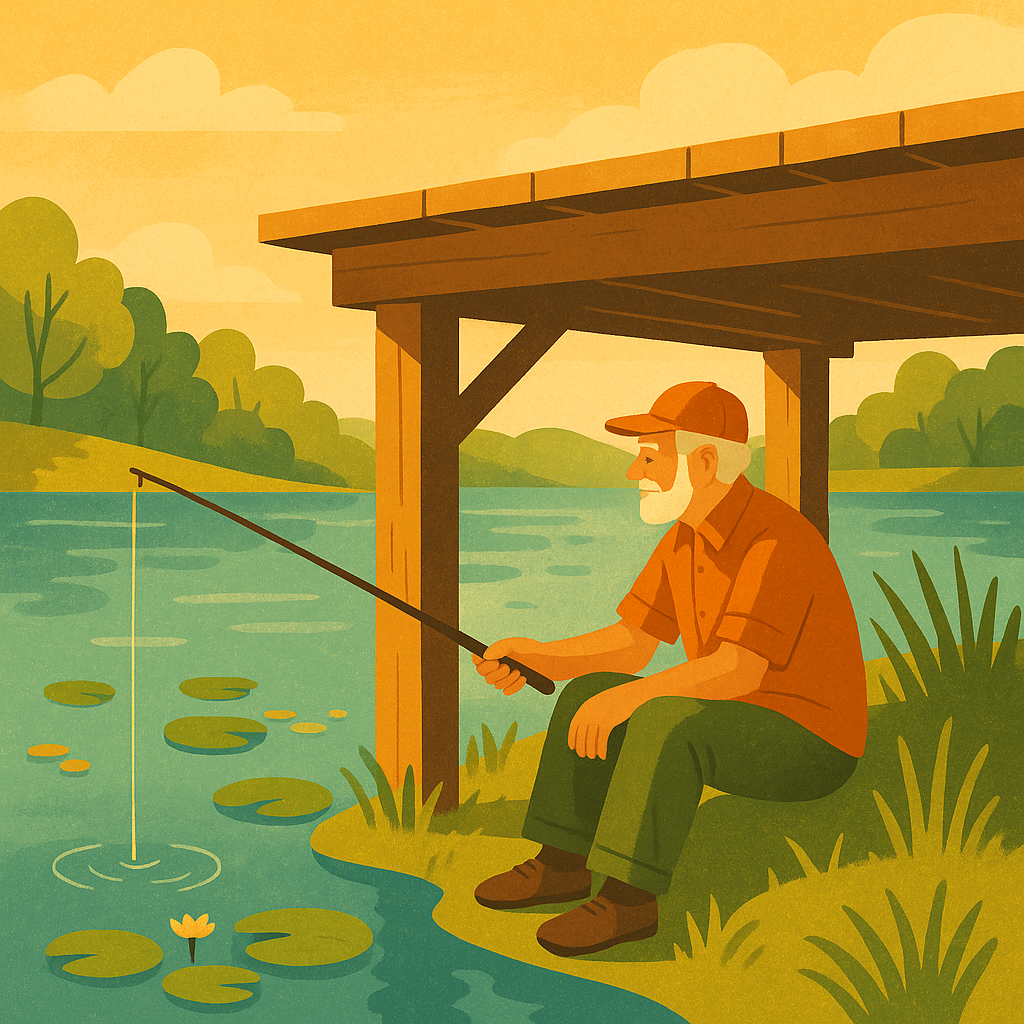
Fish are cold-blooded, meaning the water temperature controls how they feel and act. As summer heats up, shallow water warms fast — sometimes reaching 80°F or more by midday. That’s like asking you to jog in a sauna. Fish respond by moving to deeper, cooler water or hiding in shaded spots where oxygen levels are higher and temperatures are more comfortable.
Bass, bluegill, and crappie retreat under docks, fallen trees, and lily pad beds. Catfish drop to deeper holes in rivers and lakes. Trout get especially sensitive — water above 68°F starts stressing them out. The fish haven’t disappeared; they’ve just moved to their summer living room.
Why Timing Is Everything in Summer
If there’s one rule for summer fishing, it’s this: fish early or fish late. That’s your window. Early morning from sunrise to about 9 a.m. is prime time — water is cool, fish are active near the surface, and the world is quiet. Late afternoon from 5 p.m. into dusk gives you a second bite at the cherry.
Overcast days are secret weapons for summer anglers. When clouds block direct sun, fish feel safer in shallower water all day long. Even a front rolling in can trigger a feeding burst before it hits. Night fishing after hot days is also extremely productive for catfish and largemouth bass.
Where to Find Fish When It’s Hot
Think shade, depth, and current. Those three words will put fish in your hands all summer. Fish are congregating around anything that breaks the heat — and your job is to find those spots.
- Docks and bridges: Deep shade and structure in one spot. Fish stack up under these all day.
- Fallen trees and brush: Cover provides shelter and ambush points. Cast close to the edge.
- Deep drop-offs: Where a shallow flat drops to 10+ feet, fish settle in the cool transition zone.
- Current seams: Moving water carries more oxygen. River mouths, creek inflows, and the windy side of a lake are excellent.
- Lily pads and weeds: Thick vegetation shades the water and holds bluegill and bass in the summer.
Best Baits and Lures for Summer
Summer fishing rewards slow presentations. Fish are a bit lazy in the heat — they won’t chase a fast-moving lure as eagerly as they would in spring. Match your technique to their mood.
For beginners, live nightcrawlers are the most reliable summer bait. They work for almost every freshwater species. Drop them near structure on a light sinker and let them do the work. Soft plastic worms rigged Texas-style are another excellent option for fishing around cover without constant snags.
During early morning and evening, topwater lures become magical. A popper near a dock in the first light will get you heart-pounding strikes from bass and pickerel. If you’ve never tried topwater fishing, summer mornings are your invitation.
Summer Fishing: Pros and Cons
Long days mean more fishing time
Daylight stretches past 8 p.m. in most of the U.S., giving you more opportunity to fish morning and evening sessions.
Excellent topwater action
Summer mornings and evenings deliver some of the most exciting surface strikes of the entire year.
Great for family outings
Warm weather makes sitting by the water with grandkids comfortable and enjoyable for everyone.
Midday action slows down
Between 10 a.m. and 4 p.m. on hot days, fish activity drops significantly in shallow water. Plan accordingly.
Sun exposure and heat risk
Long hours on the water in summer require sun protection, hydration, and awareness of heat exhaustion signs.
Stress on released fish
Warm water holds less oxygen, so fish tire quickly. Handle them gently and keep them wet before release.
Summer Fishing Safety: Keep Yourself (and the Fish) Healthy
One thing I always remind new anglers is that summer fun can turn dangerous if you’re not careful. Drink water constantly — at least a bottle per hour in direct sun. Wear a wide-brimmed hat, polarized sunglasses, and sunscreen. If you start feeling dizzy or confused, get off the water immediately.
When releasing fish in warm water, minimize handling time. Hold them in the water to revive them before letting go. Warm water has less dissolved oxygen, so fish need extra recovery time after a fight. A quick, careful release keeps them healthy for the next angler.
Frequently Asked Questions
What is the best time to fish in summer?
Early morning (sunrise to 9 a.m.) and late afternoon/evening (5 p.m. to dusk) are the most productive times. Fish are more active when water temperatures are cooler at both ends of the day.
Do fish bite less in hot weather?
Fish do slow down during peak heat, but they don’t stop eating entirely. They adjust their feeding windows to cooler parts of the day. Target shaded and deeper areas to find actively feeding fish even during warm afternoons.
What bait works best for summer fishing?
Live nightcrawlers are the most versatile summer bait for freshwater beginners. They work for bass, catfish, bluegill, and many panfish. Soft plastic worms and topwater lures are excellent artificial options depending on the time of day.
Is night fishing good in summer?
Absolutely. Summer nights are some of the most productive times for catfish and largemouth bass. Water cools down after sunset, fish become active, and you often have the lake entirely to yourself.
Final Thoughts
Summer fishing is all about working smarter, not harder. Adjust your schedule to fish when the fish want to be caught — early and late in the day — and spend midday in the shade sipping something cold. Find the structure, slow down your presentation, and enjoy the long warm evenings by the water. Some of my best fishing memories come from summer dawn sessions when the world was still quiet and the fish were hungry.
Don’t let the heat keep you off the water. It just changes where you go and when you show up. Do that right, and summer will become one of your most productive seasons.