
If you ask any experienced angler what their favorite season is, a surprising number will say fall. The air is crisp, the crowds thin out, the leaves are turning, and the fish — well, the fish are hungry. Really hungry. Autumn might just be your ticket to the best fishing of the year, and it’s worth understanding why.
The Science Behind the Fall Feeding Frenzy
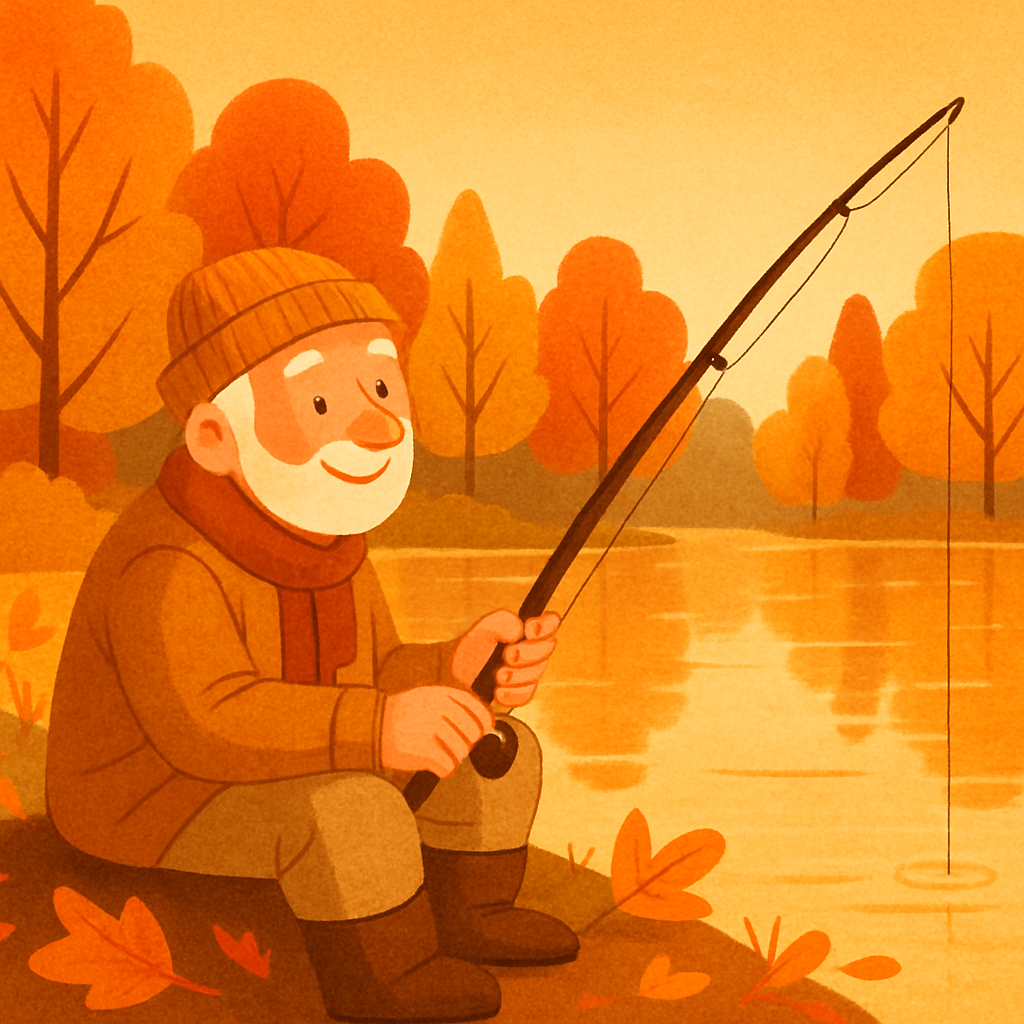
As days shorten and water temperatures drop from the summer highs, something remarkable happens beneath the surface. Fish instinctively sense winter coming. They start feeding aggressively to build up fat reserves that will carry them through the cold months when their metabolism slows and food becomes scarce. It’s nature’s version of stocking the pantry before a big snowstorm.
Water temperatures in the 55–65°F range trigger peak activity for most freshwater species. Bass, walleye, pike, and crappie become bolder and less selective. They’ll chase baitfish into shallower water, strike lures more aggressively, and feed at times of day when summer fish would have been napping in the shade.
Why Fall Is Perfect for Beginners
Here’s something that should get you excited: fall fishing is more forgiving than summer fishing. Fish aren’t as finicky. They’re on a mission to eat, which means your presentation doesn’t have to be perfect. A simple cast near the right structure can produce strikes that would have been rare in July.
Another bonus for beginners — fall fishing is comfortable. Temperatures are cool enough to fish midday without overheating, yet warm enough to stay out for hours. Bugs are largely gone. The whole experience is just more pleasant.
How to Find Fish in Autumn
The key to fall fishing is following the baitfish. Small shad, minnows, and perch move from deep summer haunts into shallower creek arms, coves, and flats as temperatures drop. Predator fish follow right behind them. Your job is to find where the baitfish are — and the gamefish won’t be far away.
- Watch the birds: Diving birds over open water signal baitfish schools near the surface — and predators below. This is one of the oldest tricks in the book.
- Creek arms and coves: Baitfish funnel into these areas as water cools. Bass and crappie stack up at the mouths of creeks in fall.
- Shallow rocky flats: Sunlight warms dark-bottomed shallows in autumn, drawing fish during midday hours — the opposite of summer.
- Weed edges: Dying vegetation concentrates baitfish and ambush predators one last time before winter.
- Drop-offs near flats: Fish transition between feeding shallows and deeper resting spots. The ledge between them is prime territory.
Best Lures and Baits for Fall Fishing
Fall calls for lures that cover water quickly, because fish are spread out and moving. You want to search for active schools rather than waiting in one spot. Once you find them, you can slow down and work the area thoroughly.
Spinnerbaits in silver and white imitate shad perfectly and can be cast and retrieved at various speeds — great for scanning a cove quickly. Lipless crankbaits are another fall staple: they sink fast, work at any depth, and produce a vibration that calls fish from a distance. Topwater lures like buzzbaits shine in the morning when fish are chasing bait to the surface.
For more methodical fishing, jigs and soft plastic swimbaits shine when fish are less aggressive or after a cold front. Slow-rolling a swimbait along a drop-off on a sunny October afternoon is one of fall fishing’s simple pleasures.
Fall Fishing: Pros and Cons
Fish are actively feeding
Pre-winter instinct drives fish to feed heavily, making them less selective and more willing to strike. Great for beginners.
Comfortable all-day fishing
Cool temperatures mean you can fish midday comfortably without the summer heat. No need to chase only dawn and dusk windows.
Less crowded on the water
Many casual summer anglers have packed up for the season, leaving popular spots quieter and more accessible.
Cold fronts can shut down biting
A hard cold front can make fish go completely quiet for 24-48 hours. Timing matters, especially in late fall.
Shorter days mean less time
Daylight shrinks fast in October and November. Plan your trips around earlier sunsets and dress in layers for morning chill.
Fish can be scattered and mobile
Following active baitfish schools means fish move around more. You may need to cover more water to find them compared to summer.
Timing Your Fall Trips for Best Results
Unlike summer where you must fish at dawn or dusk, fall opens up the whole day. The sun warms the water’s top layer through the afternoon, and fish often feed most actively from midday to late afternoon — which happens to be the most comfortable time to be outside anyway.
The best fall fishing often comes just before a cold front arrives. That 12-24 hour window before a weather system rolls in is like ringing the dinner bell for fish. They seem to know what’s coming and go on a binge. Fish during stable, gradually cooling weather for the most consistent action, and avoid the day or two immediately after a cold front when fish shut down.
Frequently Asked Questions
Is fall really the best time to fish?
Many experienced anglers consider fall their favorite season. Fish feed aggressively before winter, the weather is comfortable, and crowds are smaller. For beginners especially, fall’s active fish make it an excellent learning season.
What fish are most active in fall?
Bass, crappie, walleye, pike, and perch are especially active in fall. They all share the instinct to feed heavily before winter. Catfish also continue feeding in autumn, particularly during warmer spells.
What lures work best for fall fishing?
Spinnerbaits, lipless crankbaits, and topwater lures are excellent for covering water and finding active fish. When fish get selective after a cold front, slow down with a jig or soft plastic swimbait near structure.
When does the fall feeding frenzy end?
It varies by region and water temperature. Generally, the most intense feeding happens when water temperatures are between 55–65°F. Once water drops below 50°F consistently, fish metabolism slows and winter patterns begin.
Final Thoughts
Fall fishing is nature’s gift to the patient angler. After a long summer of early alarms and midday breaks, autumn lets you sleep in a little, fish comfortably through the afternoon, and still come home with your best story of the year. The fish are hungry, the scenery is beautiful, and the water is all yours.
Grab your spinnerbait, find a creek arm loaded with baitfish, and enjoy the feeding frenzy. Fall fishing is one of those experiences that turns casual anglers into lifelong ones.