
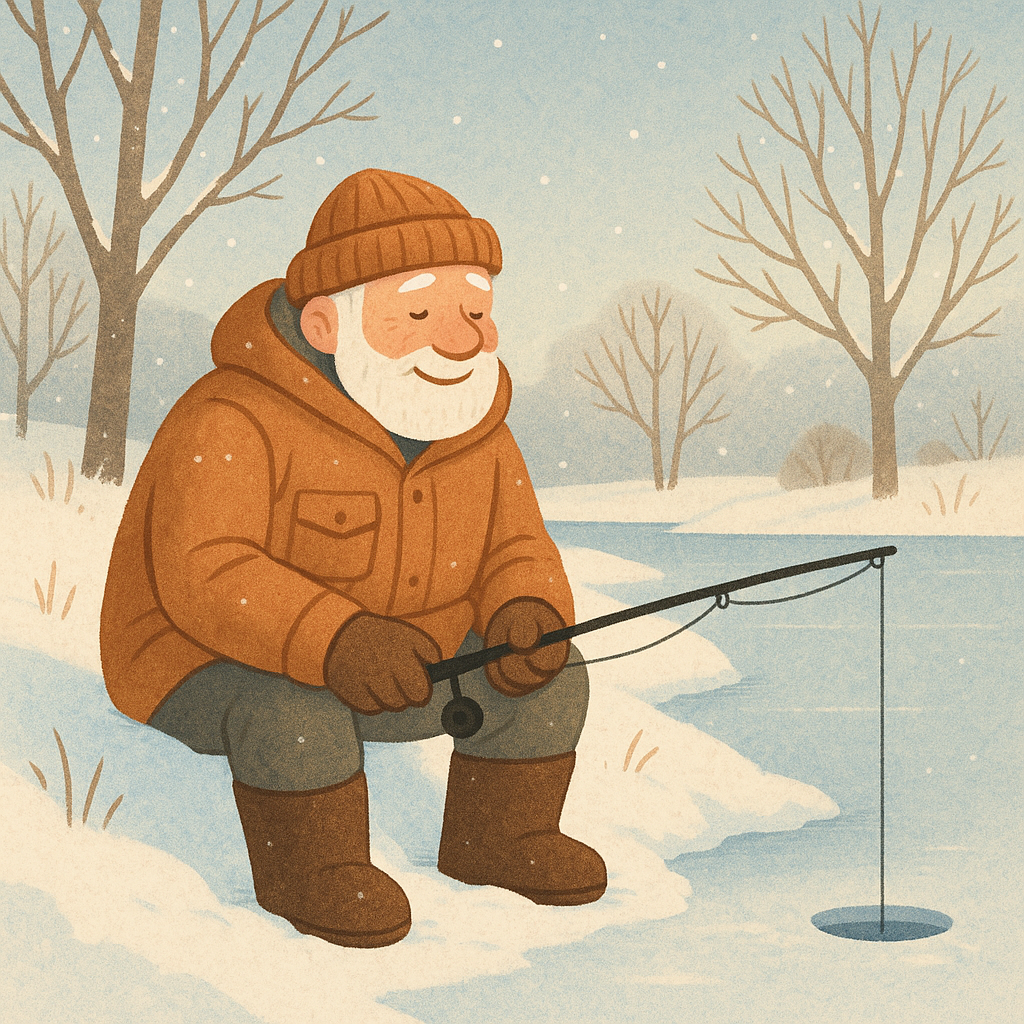
When the temperatures drop and most anglers put away their gear until spring, something interesting happens: the competition disappears. The lakes are quiet, the parking lots are empty, and the fish — while slower — are still there waiting for someone patient enough to find them. Winter fishing rewards preparation, patience, and a willingness to think differently about the water.
How Cold Water Changes Fish Behavior
Fish are cold-blooded, and cold water dramatically slows their metabolism. In summer, a bass might swim 30 yards to chase a fast-moving lure. In winter, that same bass might only move 3 feet. It’s not that they stop eating — they just become extremely efficient about it. They’ll only strike food that comes to them easily, requiring little energy to catch.
This is the fundamental shift that winter fishing demands. Everything slows down. Your presentations get smaller, your retrieves get slower, and your patience gets tested. But when a big catfish or largemouth takes your bait in 40°F water, the strike is still just as satisfying.
Where to Find Fish in Winter
Winter fish follow a simple logic: find the warmest, most stable water available and conserve energy. Understanding this helps you narrow down where to fish on any given day.
- Deep water holes: Deep water maintains more stable temperatures than shallows. Fish often cluster in the deepest available water during cold snaps.
- Tailwaters below dams: Water released from the bottom of large reservoirs stays consistently warmer than surface water. Tailwaters are winter gold for trout and bass.
- South-facing banks: Sunlight warms south-facing shorelines faster in the afternoon, drawing fish to these spots on clear winter days.
- Dark-bottomed areas: Dark mud and gravel absorb solar heat better than light-colored bottoms. Small temperature differences matter enormously to cold fish.
- Spring seeps: Natural springs maintain a near-constant temperature year-round. Where groundwater enters a lake or river, fish congregate for the warmth.
Timing: Winter’s Best Fishing Hours
Here’s a winter bonus for folks who don’t enjoy 5 a.m. wake-up calls: the best winter fishing is typically from late morning to mid-afternoon. As sunlight has had several hours to warm the water slightly, fish become marginally more active. You’re targeting the daily temperature peak, which usually falls between 10 a.m. and 3 p.m.
Also watch the calendar for mid-winter warm spells. When temperatures climb 10–15 degrees above the seasonal average for a few days, fish wake up and feed actively. These warm windows in January and February can produce some surprisingly excellent fishing if you pay attention to the forecast.
Winter Techniques That Actually Work
The biggest mistake beginners make in winter is fishing the same way they do in summer — fast retrieves, aggressive presentations, constant movement. Winter demands the opposite approach.
Slow down your retrieve until it feels almost painfully slow, then slow it down more. A jig sitting nearly motionless on the bottom, moved by tiny twitches of the rod tip, is one of the most effective winter techniques for bass, crappie, and walleye. Live bait fished on a light bobber near structure is even more reliable — minnows, waxworms, and nightcrawlers move naturally without any help from you.
Vertical jigging from a boat over deep water is extremely productive in winter. You’re putting the lure directly in front of lethargic fish without requiring them to chase it. A small jigging spoon or blade bait dropped to the bottom and lifted slowly can trigger strikes from fish that haven’t eaten in days.
Winter Fishing: Pros and Cons
Empty water, no crowds
Your favorite spots are yours alone. Winter fishing means complete peace and quiet — and sometimes entire lakes to yourself.
Fish are concentrated and predictable
Unlike summer when fish scatter, winter fish cluster in specific warmth-holding spots, making them easier to locate once you understand where to look.
Comfortable mid-morning start
No need for pre-dawn alarms. Winter’s best fishing happens during pleasant late-morning hours when you can actually enjoy the experience.
Slower bite requires more patience
Fish metabolism slows dramatically in cold water. You may wait much longer between bites than in warmer seasons. This tests beginner patience.
Cold weather safety demands preparation
Hypothermia risk increases significantly near cold water. Dressing in proper layers and knowing the warning signs is essential for safe winter fishing.
Limited daylight hours
Short winter days reduce your fishing window. Plan trips carefully to maximize daylight and have a hard end time before dark sets in.
Staying Warm and Safe on the Water
Winter fishing safety is no joke. Cold water and cold air together create real risks, especially if you’re on a boat or wading. The three-layer clothing system is your foundation: a moisture-wicking base layer next to your skin, an insulating mid-layer like fleece, and a waterproof outer shell. Wool or synthetic materials beat cotton in every category — cotton stays wet and cold when soaked.
Keep your hands functional and warm with fingerless gloves that have a fold-over flap for tying knots. Waterproof boots with insulation are worth every penny on cold mornings. A good thermos of hot coffee or tea pulls double duty: it warms you from the inside and gives you a reason to take a comfortable break between casts.
Frequently Asked Questions
Can you catch fish in winter from shore?
Absolutely. Shore fishing in winter works well, especially near warm-water discharges, deep pools accessible from shore, and south-facing banks that catch afternoon sun. You don’t need a boat to find winter fish.
What fish can you catch in winter?
Bass, crappie, walleye, trout, catfish, and perch are all catchable in winter. Trout actually thrive in cold water and can be very active in temperatures that slow other species. Crappie in deep brush piles are a winter favorite for many anglers.
Is live bait better than lures in winter?
Generally yes. Live minnows, waxworms, and nightcrawlers move naturally without any effort from you, which is exactly what lethargic winter fish want. If you prefer artificials, choose small, slow-sinking jigs or blade baits worked very slowly.
What’s the best weather for winter fishing?
Clear, sunny days with stable or warming temperatures are ideal. A sunny afternoon after several warm days is your sweet spot. Avoid fishing immediately after a cold front moves through — the sudden drop in temperature makes fish nearly impossible to catch for 24-48 hours.
Final Thoughts
Winter fishing asks more of you — more patience, more preparation, more willingness to slow down. But it gives back something rare: a genuine connection with nature without another soul in sight, and the quiet satisfaction of catching fish when everyone else has given up for the season. It’s a different pace and a different reward, but for many anglers, those cold-water bites become some of their most cherished fishing memories.
Bundle up, find the warmest water you can locate, fish slow, and enjoy the season. The fish are out there, and now you know exactly where to find them.