
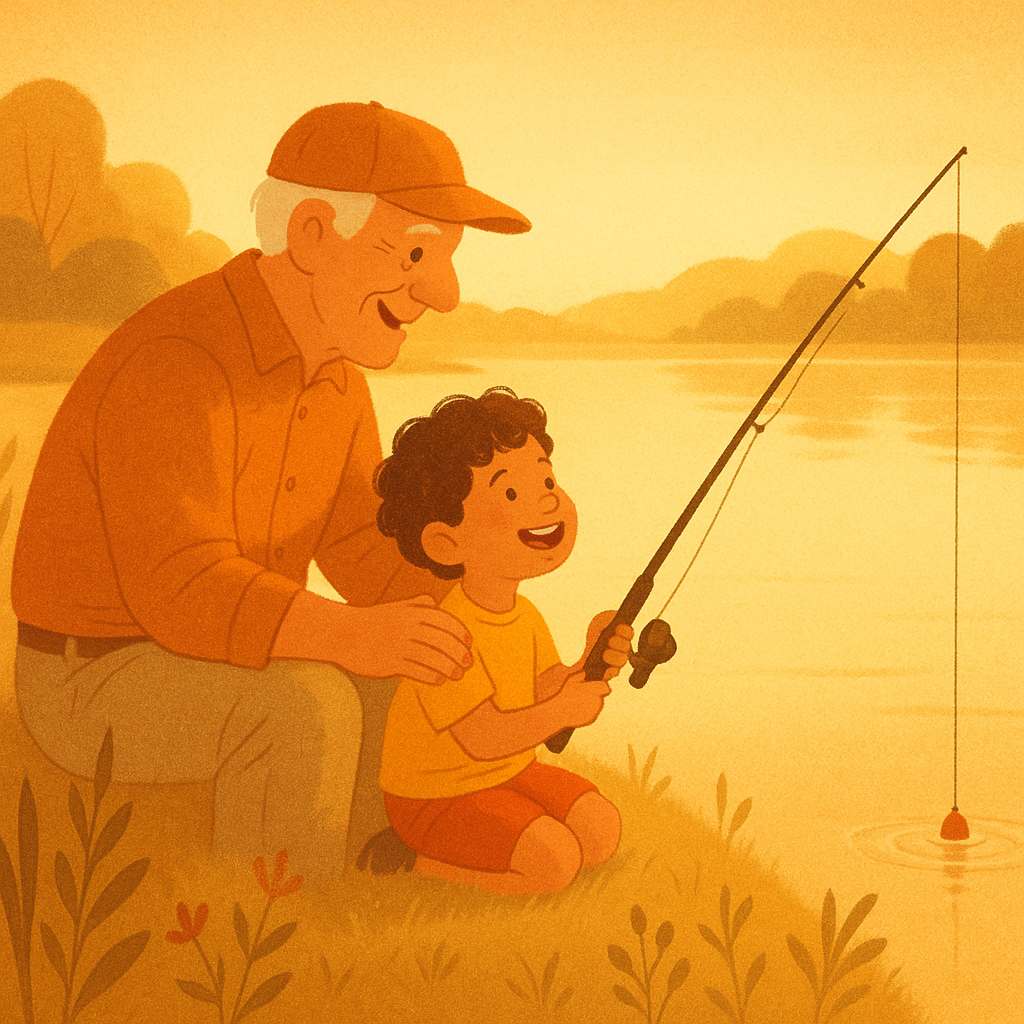
Some of the most powerful memories in a person’s life happen at the water’s edge. A grandfather teaching a grandchild how to bait a hook. The annual lake trip that everyone in the family looks forward to all year. The framed photo of a five-year-old proudly holding her very first bluegill. These moments don’t happen by accident — they happen because someone decided to make fishing a family tradition.
If you’re reading this, you already love fishing. Now let’s talk about how to share that love in ways that create memories your family will carry for a lifetime.
Why Fishing Makes Such a Powerful Family Tradition
Fishing is one of the rare activities that completely removes modern distractions. There’s no wi-fi at the lake. No notifications competing for attention. No screens drowning out conversation. Just the water, the quiet, and the people you’re with. That natural focus on the present moment is what makes time on the water so uniquely bonding — and why fishing memories tend to run so deep.
According to the American Sportfishing Association, over 50 million Americans fish each year — and a significant number of them credit a parent or grandparent for first putting a rod in their hands. The tradition is alive and thriving. It starts with someone deciding to pass it on.
Starting a Fishing Tradition That Sticks
The best traditions are simple, repeatable, and tied to something meaningful. You don’t need a big boat, expensive gear, or a long drive to a remote wilderness. A local pond, a warm morning, and a few relaxed hours together is all it takes to begin something that lasts decades.
- Annual opening day trips: Celebrate the start of fishing season with a family breakfast, then hit the water together. Make it a ritual, not just a plan.
- First catch milestones: Mark every family member’s first fish with a photo, a story, and a small ceremony — whether you keep it or release it.
- Family signature meal: Develop a recipe for days when you keep your catch — fried fish, fish tacos, a chowder. Make it part of the whole experience.
- Storytelling after: Sit together after the trip and share the highlights — the fish that got away, the moment someone nearly dropped the rod, the unexpectedly beautiful sunrise. These stories become family lore.
- Gear passing-down ceremony: When the time is right, give a younger family member their first real rod. It becomes something they’ll remember always.
Passing Down the Skills
A fishing tradition isn’t just about the outing — it’s about transferring knowledge across generations. Teaching someone to tie a clinch knot, read the water, or properly release a fish is a genuine gift that lasts long after the day is over. These shared skills connect people in a way that few other activities can match.
Capturing and Preserving Fishing Memories
Photos are the most obvious way to preserve memories, but there are other creative approaches that make the story richer over time. A small dedicated photo album — just for fishing trips, with handwritten captions and dates — becomes a treasured family artifact after a few years.
Some families keep a memory jar: a mason jar where every great fishing moment goes on a folded slip of paper, read aloud at Christmas or on opening day each spring. Others create a “first catch wall” with framed photos of every family member’s first fish, growing over the years into a gallery that tells the whole family’s story. Whatever format you choose, the act of intentionally capturing these moments teaches everyone involved that they matter — that time by the water is worth remembering and celebrating.
Pros and Cons of Building Fishing Traditions
Builds Lasting Family Bonds
Shared experiences at the water create connections that carry meaningfully through generations.
Passes Down Real Values
Patience, respect for nature, and perseverance are all naturally modeled and absorbed at the water’s edge.
Creates Joyful Anticipation
When traditions are consistent, family members look forward to them all year long — and remember them forever.
Scheduling Can Be Tricky
Getting everyone together takes planning, especially as families grow and lives get busier. Flexibility helps.
Not Everyone Falls in Love Immediately
Some family members need a few trips before the magic really clicks — patience and low pressure pay off in the long run.
Frequently Asked Questions
What age is best for introducing children to fishing?
Four or five years old works well for a first experience — a simple cane pole, calm water, and a short trip. Keep expectations low and fun high. Some kids take to it instantly; others warm up after a few outings.
How do I make fishing enjoyable for family members who aren’t naturally interested?
Focus on the whole experience, not just the catch. Pack great snacks, choose a beautiful location, bring a hammock or chairs. Fishing doesn’t have to mean staring intently at a bobber — it can simply mean being outdoors together.
How do I start fishing traditions if I’m new to fishing myself?
Start small and learn together. Find a local pond, bring someone you love, and figure it out side by side. The shared learning experience is part of the story — you don’t need to be an expert to build beautiful memories.
Final Thoughts
Fishing is more than a hobby. At its best, it’s a vehicle for the things that matter most: quality time with people you love, quiet in an increasingly noisy world, and the passing of something meaningful from one generation to the next.
You don’t need perfect conditions or a trophy catch. You just need to show up, be present, and let the water do what it always does — bring people closer together.