
Lake fishing for beginners can feel a little intimidating the first time you stand in front of big water. A pond gives you obvious corners and edges. A lake looks wide open, windy, and full of mystery. The good news is that you do not need to understand the whole lake to catch fish. You only need to break it into smaller, friendlier pieces.
Think of a lake like a small town. You would not try to visit every street in one morning. You would start with the easy landmarks: the dock, the shaded park, the point, the bridge, the quiet cove. Fish use landmarks too. Once you learn where food, cover, shade, and depth come together, big water starts to feel a lot more manageable.
Fishing is still a favorite outdoor tradition for many families. The U.S. Fish and Wildlife Service reported that 40 million U.S. residents went fishing in 2022, and many of those trips happened on ordinary local lakes. You can join them with simple gear, safe footing, and a calm plan.
Lake Fishing for Beginners Starts with One Small Area
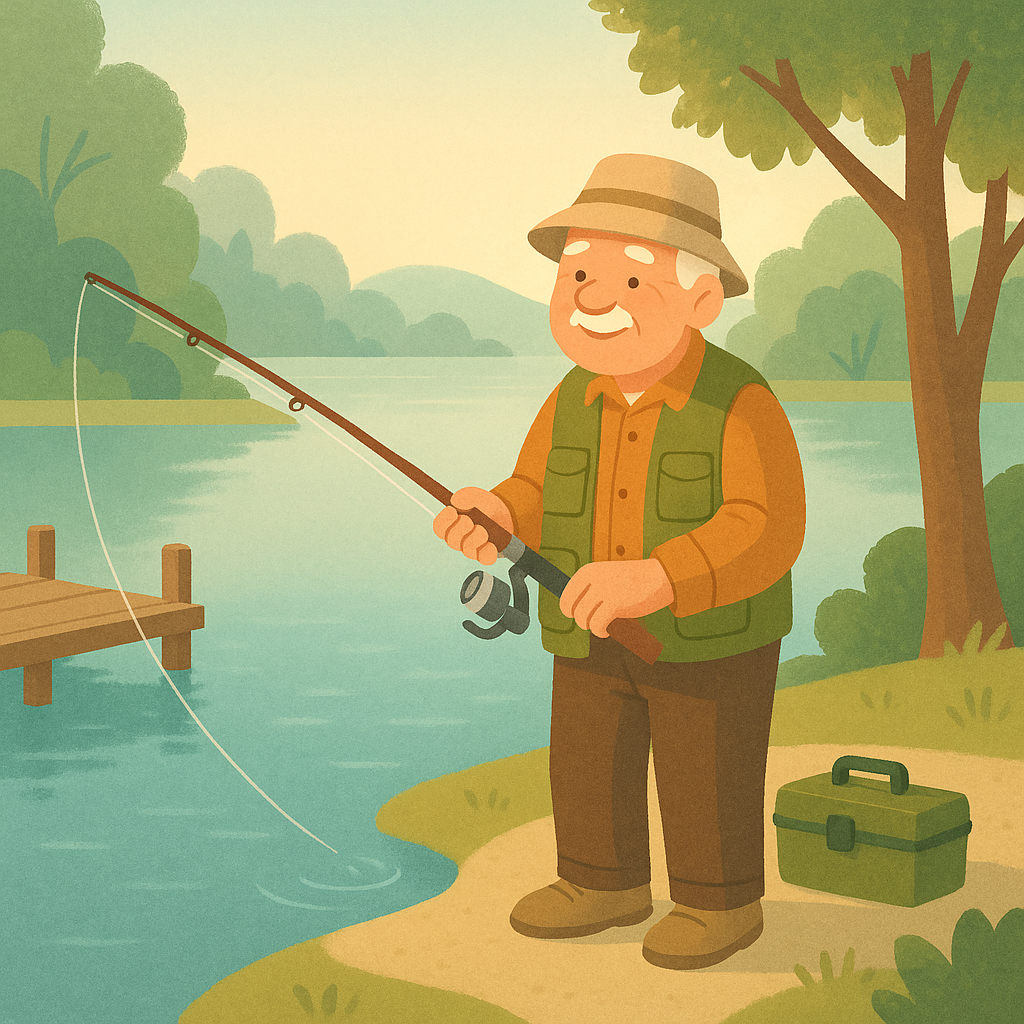
The biggest beginner mistake on a lake is trying to fish everything. You cast left, cast right, walk too far, change bait three times, and leave before you gave any one spot a fair chance. Instead, pick one section of lake and learn it slowly.
Good first areas include public fishing piers, boat ramps with legal bank access, park shorelines, small coves, dam edges where allowed, and points that stick out into the lake. These places often give you room to cast and several types of water within a short walk.
Where to Find Fish in a Lake
Fish need food, comfort, and protection. In a lake, those needs usually gather around structure and changes. A flat empty bank may hold fish sometimes, but a bank with weeds, rocks, docks, shade, or a drop-off gives fish more reasons to stay nearby.
Start with shoreline structure
Look for docks, stumps, brush, rocks, reeds, weeds, fallen trees, bridge pilings, and shaded banks. These spots attract insects, minnows, crayfish, and other small food sources. They also give bluegill, bass, crappie, perch, and catfish a place to hide and ambush food.
Learn the edge of shallow and deep water
Many productive lake spots are not in the deepest middle water. They are where shallow water drops into deeper water. That edge is often called a drop-off. Fish can feed in the shallows, then slide into deeper water when the sun gets bright, the weather changes, or they feel pressured.
- Points: A point lets you cast to shallow water, deeper sides, and sometimes a drop-off without moving far.
- Coves: A quiet cove can hold baitfish, weeds, warmer water in spring, and shade in summer.
- Docks: Docks create shade and shelter, especially when the sun is high.
- Inlets: Small creeks, drains, or moving water can bring oxygen and food into the lake.
Simple Gear for Beginner Lake Fishing
You do not need a boat full of tackle to start lake fishing. A medium-light or medium spinning rod with 6- to 10-pound monofilament line will handle many common freshwater situations. Add small hooks, bobbers, split shot weights, a few swivels, needle-nose pliers, and one or two simple lures.
For bait, start with worms. They catch bluegill, sunfish, perch, catfish, and sometimes bass. If you want to try lures, choose one small inline spinner and one soft plastic grub or worm. Keep the choices simple so you can learn how each one feels.
A Calm First-Hour Lake Fishing Plan
Give yourself one hour with no pressure. Spend the first five minutes watching the water. Look for small surface rings, baitfish flickers, birds diving, shade lines, weed edges, or other anglers catching fish. Then choose three nearby targets.
The three-spot method
Fish one shaded spot, one structure spot, and one open edge near deeper water. Give each spot about 15 minutes. If you are using bait under a bobber, adjust depth before you move. If the bobber never twitches, raise or lower the bait a foot or two. Small changes often matter more than big moves.
When casting from shore, do not always throw straight toward the middle. Cast along the bank, beside a dock, across the front of a weed edge, or around the side of a point. A sideways cast can keep your bait near fish longer than a long cast into empty water.
Best Times to Fish a Lake
Morning and evening are friendly times for beginners because fish often move shallower in low light. You may also have cooler temperatures, less boat traffic, and calmer wind. Cloudy days can extend that comfortable feeding window.
In hot summer weather, midday fishing can still work, but focus on shade, deeper edges, docks, and moving water. In spring and fall, moderate water temperatures may keep fish active for more of the day. The exact timing changes by species and region, so treat each trip as a little lesson.
Pros and Cons of Lake Fishing for Beginners
Lots of fish habitat
Lakes offer docks, weeds, rocks, points, coves, drop-offs, and open water, which gives beginners many simple places to try.
Good family access
Many public lakes have parking, paths, picnic areas, fishing piers, bathrooms, and room for a relaxed outing.
Simple gear still works
A basic spinning combo, bobber, small hook, and worms can catch plenty of common lake fish.
Big water can feel overwhelming
Without a plan, beginners may move too much and never learn what one good area is doing.
Wind and boat traffic matter
Open lakes can become choppy, noisy, or crowded, so comfort and safety should guide where you fish.
Frequently Asked Questions About Lake Fishing for Beginners
Where should a beginner fish on a lake?
Start near visible structure such as docks, weed edges, rocks, points, coves, inlets, or shaded banks. These places give fish food and cover.
Do I need a boat for lake fishing?
No. A boat helps cover water, but beginners can catch fish from public piers, banks, docks, and park shorelines with simple tackle.
What bait should I use for lake fishing?
Worms are the easiest first bait because many freshwater fish eat them. Pair a small worm piece with a bobber and adjust the depth slowly.
How long should I stay in one lake spot?
Give a promising spot about 15 to 30 quiet minutes. If you see no signs of fish, change depth or move to another nearby structure.
Final Thoughts
Lake fishing for beginners becomes easier when you stop trying to solve the whole lake at once. Pick a safe section, look for structure, fish slowly, and make small adjustments. A dock, point, weed edge, or shaded bank can teach you more than a long walk around the entire shoreline.
The first few lake trips are about building confidence. Notice what the wind is doing, where the shade lands, where small fish peck at the bobber, and which spots feel comfortable enough to visit again. That is how big water turns into familiar water, one easy cast at a time.