
Fishing after retirement can be as simple or as social as you want it to be. You do not need a boat, a wall full of rods, or a lifetime of fishing stories to enjoy a quiet morning by the water.
The best part is the pace. You can fish for an hour, sit in the shade, bring coffee, invite a friend, or take a grandchild when the mood is right. This guide keeps everything beginner-friendly so your first few trips feel calm instead of complicated.
Why Fishing After Retirement Matters
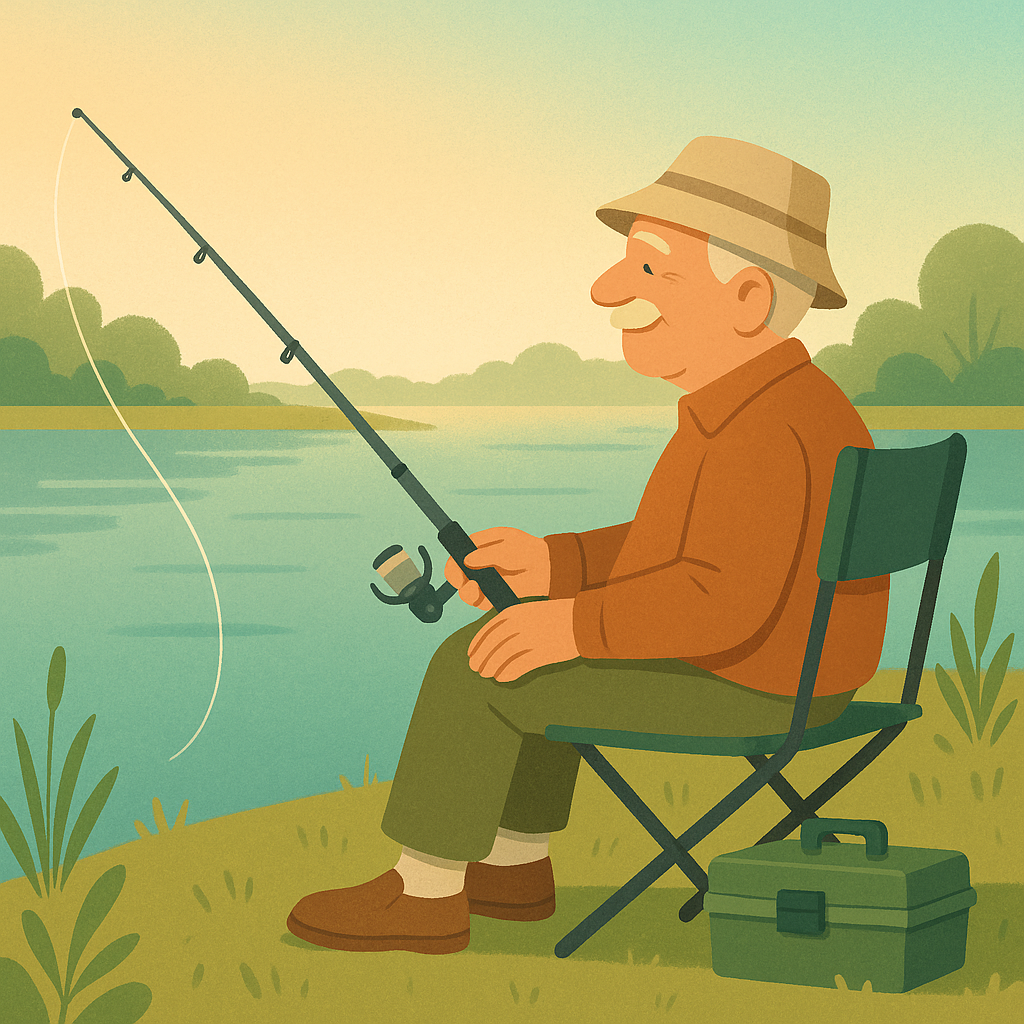
Retirement changes the shape of the week. Some people want more fresh air. Some want a hobby with gentle movement. Others want a reason to visit local parks, lakes, and ponds without turning the day into a big production.
Fishing fits that season of life because it can be low-pressure. You can learn at your own speed, repeat the same simple setup, and enjoy the water even when the fish are not biting. If weather is part of your planning, ReelHow has a helpful guide on how conditions affect fish, which can help you pick more comfortable days.
Start With a Comfortable First Goal
The first goal is not to catch the biggest fish in the lake. The first goal is to create a routine you actually want to repeat. Choose a short outing, an easy place to park, and a spot where you can sit or stand safely.
Make the First Trip Short on Purpose
A one-hour trip is plenty. That gives you time to set up, make a few casts, watch the water, and pack up without getting tired or frustrated. Short trips are also easier to repeat, which is how fishing becomes a real hobby instead of a once-a-year project.
- Pick easy access: choose a pond, pier, or shoreline path with stable footing and nearby parking.
- Bring comfort items: a chair, water bottle, hat, sunglasses, and light snacks can make the outing feel relaxed.
- Use one simple method: a bobber and worm, or one small lure, teaches more than switching constantly.
- Leave before you are worn out: ending on a good note makes the next trip more inviting.
Choose Safe, Relaxed Fishing Spots
For fishing after retirement, the best spot is often the easiest safe spot, not the most secret spot. Look for public ponds, park lakes, fishing piers, docks, or calm river banks with clear walking paths.
What Makes a Spot Retirement-Friendly?
Good footing matters. Shade matters. A bench or room for a folding chair matters. You want a place where you can focus on fishing instead of worrying about slick mud, steep banks, or difficult climbs.
Before fishing a new public area, verify the rules for that water. The National Park Service explains that fishing regulations can vary by location and help protect fish populations, so posted rules and current state guidance matter. Their overview of fishing in national parks is a useful reminder to check local rules before keeping fish or using unfamiliar bait.
Use Simple Gear That Is Easy on Your Hands
You can fish comfortably with a basic spinning rod and reel, light line, a few hooks, split shot weights, bobbers, and worms. If you prefer lures, add one or two small spinners or soft plastics. Keep the tackle box light enough that carrying it is not a chore.
A medium-light or medium spinning rod around six to seven feet is usually manageable for many beginners. The exact model matters less than comfort. If the handle feels good, the reel turns smoothly, and you can cast without strain, you are on the right track.
Plan Around Time, Weather, and Energy
Retirement often gives you a gift many working anglers wish they had: flexibility. You can avoid the hottest part of the day, skip crowded weekends, and fish when the weather feels pleasant.
Early morning and evening can be comfortable choices, especially in warm weather. But do not force a schedule that does not fit your body. A calm midmorning in spring or a shaded evening in summer can be just right.
If you want a broader starting point for bigger water later, read ReelHow’s guide to lake fishing for beginners. For now, keep your retirement routine small, repeatable, and easy to enjoy.
Make It Social Without Adding Pressure
Fishing after retirement can be peaceful alone, but it can also become a simple way to connect. Invite a friend for a short trip. Ask a local tackle shop about beginner-friendly spots. Bring a grandchild and let the outing be about snacks, shade, and curiosity as much as catching fish.
The key is to keep expectations light. A good fishing day might mean one bluegill, a pleasant conversation, or simply learning which side of the pond has better shade.
Pros and Cons of Fishing After Retirement
Flexible Schedule
You can fish during quieter weekday hours and avoid the busiest ramps, docks, and shorelines.
Gentle Outdoor Time
Short trips provide fresh air, light movement, and a calm reason to spend time near the water.
Easy to Share
Fishing works well with friends, spouses, neighbors, and grandchildren because the pace can stay relaxed.
Rules Vary by Place
Licenses, limits, bait rules, and seasons can change by state or water, so checking first is part of the routine.
Comfort Takes Planning
Sun, uneven banks, bugs, and long walks can spoil a trip if you do not choose the spot carefully.
A Simple Retirement Fishing Checklist
- License checked: confirm your state and local requirements before the trip.
- Spot chosen: pick safe footing, easy parking, and shade if possible.
- Gear simplified: bring one rod, one main rig, and only the tackle you expect to use.
- Comfort packed: chair, water, hat, sunglasses, sunscreen, and a small first-aid kit.
- Time limited: plan a short outing so you can leave relaxed.
- Fish handled gently: use wet hands, avoid squeezing, and release fish quickly when practicing catch and release.
For more on gentle fish handling and respect for the water, ReelHow’s catch and release best practices guide pairs well with this checklist.
When to Get Extra Help
Ask for help when you are unsure about a knot, a license rule, private property, or whether a bank is safe to access. A local tackle shop, state fish and wildlife agency, park office, or experienced friend can save you from guessing.
There is no shame in starting with a guided local outing, a community fishing event, or a patient friend who already knows the water. Good help shortens the learning curve and keeps the hobby enjoyable.
Frequently Asked Questions
Is fishing after retirement expensive to start?
No. Start with one basic spinning rod and reel, a small tackle box, hooks, bobbers, split shot, and simple bait. Upgrade only after you know what you enjoy.
Do I need to fish from a boat?
Not at all. Many retirees enjoy bank fishing, docks, piers, and small ponds because they are easier to access and require less planning.
What is the best time of day for a relaxed trip?
Early morning and evening are often comfortable, especially in summer. Choose the time that gives you safe light, mild weather, and enough energy to enjoy the outing.
What if I do not catch anything?
That is still a useful trip. Notice the weather, water, bait, and spot. Fishing gets easier when each outing teaches you one small thing.
Final Thoughts
Fishing after retirement works best when it stays calm, safe, and repeatable. Pick an easy spot, pack light, check the rules, and give yourself permission to learn slowly.
Your next step can be very small: choose one nearby pond, plan a one-hour visit, and bring a simple setup. If the day ends with fresh air, a little practice, and a reason to go again, that is a good fishing day.