
Getting your first fishing license can feel overwhelming with different rules for every state. But here’s the good news: it’s actually much simpler than it appears. Think of a fishing license like a driver’s license for the water — once you understand the basic requirements, the process is straightforward and gets you legally fishing in no time.
Whether you’re planning a quiet morning at your local lake or a fishing trip with the grandchildren, having the proper fishing permits protects both you and the fish populations you’ll be enjoying. Let’s break down everything you need to know about fishing license requirements across the United States.
Why Do You Need a Fishing License?
Fishing licenses aren’t just bureaucratic red tape — they serve important purposes that benefit both anglers and fish populations. The money from fishing permits directly funds conservation programs, fish stocking, habitat restoration, and fisheries research.
When you buy a state fishing license, you’re contributing to:
- Fish Population Management: Stocking programs that maintain healthy fish numbers
- Habitat Protection: Preserving and restoring the waters where fish live
- Research Programs: Studies that help us understand fish behavior and needs
- Access Improvements: Boat ramps, fishing piers, and accessible facilities
- Education Programs: Teaching new anglers like yourself
Age Requirements: When Do You Need a License?
Most states require fishing licenses for anyone 16 years or older, but there are exceptions and special considerations for seniors:
👶 Children Under 16
Generally fish free in all states, though some require them to be accompanied by a licensed adult.
🎓 Ages 16-65
Full license required in almost every state. Some states offer student discounts.
🧓 Seniors (65+)
Many states offer significant discounts or even free licenses. Some states like Texas offer free licenses starting at age 65.
🪖 Military Veterans
Disabled veterans often qualify for free fishing licenses. Active military may get discounts.
Types of Fishing Licenses
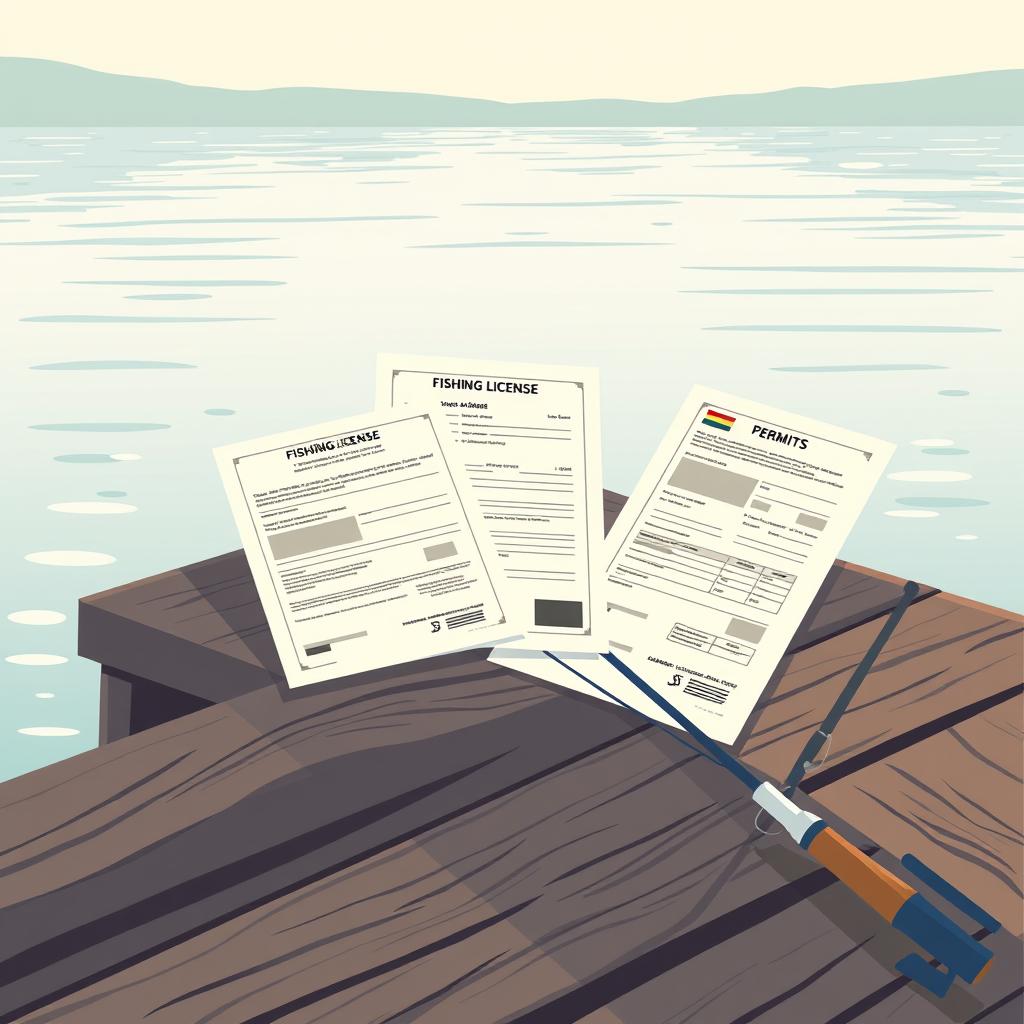
States typically offer several license types to match different fishing styles and frequencies:
📅 Annual License — $25-60
Valid for one full year from purchase date. Best value for regular anglers who fish multiple times per season.
🗓️ Short-term License — $10-25
Valid for 1-7 days depending on state. Perfect for vacation fishing or trying out the hobby.
💧 Freshwater vs Saltwater — $20-50 each
Some states require separate endorsements. If you plan to fish lakes and ocean, you might need both.
🐟 Species-specific Stamps — $5-15 each
Special stamps for trout, salmon, or other popular species. Required in addition to basic license.
How to Buy Your Fishing License
Gone are the days of waiting in line at government offices. Today’s fishing permits are available through multiple convenient channels:
Online (Fastest Method)
Every state now offers online licensing through their fish and wildlife website. The process typically takes 5-10 minutes:
- Visit your state’s fish and wildlife website
- Navigate to the “Buy License” or “Licensing” section
- Create an account with basic information
- Select your license type and pay with credit card
- Print your temporary license immediately
- Receive your permanent license by mail within 2 weeks
Retail Locations
Most sporting goods stores, bait shops, and even some Walmart locations sell fishing licenses. Popular retailers include:
- Dick’s Sporting Goods
- Bass Pro Shops
- Walmart (fishing counter)
- Local bait and tackle shops
- Some gas stations near popular fishing areas
What Information You’ll Need
Have this information ready when purchasing your fishing license:
- Personal Details: Full name, date of birth, address
- Identification: Driver’s license or state ID number
- Social Security Number: Required by most states for record-keeping
- Hunter Safety Card: If also buying hunting licenses
- Payment Method: Credit card, debit card, or cash (retail locations)
Reciprocity: Fishing in Other States
Your home state fishing license only works in your home state. When fishing across state lines, you’ll need that state’s license. However, some states have reciprocal agreements:
- Border Waters: Some adjacent states honor each other’s licenses on shared waters
- Military Exemptions: Active military stationed out-of-state may use home state license
- Short Visits: A few states offer tourist exemptions for very brief visits
When in doubt, buy the local state license — it’s always better to be safe than sorry.
Pros and Cons of Different License Types
Best Value
Lowest cost per fishing day if you go more than 3-4 times per year.
No Rush
Fish whenever the mood strikes without worrying about license expiration.
Full Season
Covers spring through winter fishing opportunities.
Higher Per-Day Cost
More expensive if you fish regularly throughout the year.
Planning Required
Must purchase before each fishing trip.
Frequently Asked Questions
What happens if I forget my license while fishing?
If you have a license but forgot it, you may receive a warning or small fine. If you don’t have one at all, fines can range from $75-$500 depending on your state.
Can I fish on private property without a license?
In most states, you still need a license even on private property. A few states make exceptions for the property owner, but it’s safer to always have a license.
Do I need different licenses for different types of fish?
Basic fishing licenses cover most common species. However, some states require special stamps for trout, salmon, or other premium species. Check your state’s requirements.
What about fishing tournaments or guided trips?
You still need your own license. Some tournament entry fees include temporary licenses, but most don’t. Guides cannot cover your license requirement.
Final Thoughts
Getting your fishing license is the first step toward years of enjoyable angling. Don’t let the paperwork intimidate you — the online process is quick, the costs are reasonable, and you’re supporting conservation efforts that will benefit fishing for generations.
Remember, every state is different, so always check your specific state’s fish and wildlife website for the most current requirements and fees. Once you’re licensed, you’ll have peace of mind knowing you’re fishing legally and contributing to the sport you’re learning to love.
Now that you’re ready to get licensed, it’s time to plan that first fishing trip. The fish are waiting!