
Understanding fish behavior is like learning to read a secret language — once you crack the code, your fishing success improves dramatically. After decades of watching fish patterns, I’ve learned that successful fishing isn’t just about having the right gear or perfect technique. It’s about understanding when fish are hungry, where they feel safe, and how they react to changing conditions.
The beauty of learning about fish feeding times and behavior patterns is that it applies everywhere you fish. Whether you’re targeting bass in a farm pond or bluegill at the local lake, fish follow predictable patterns based on their basic needs: food, safety, and comfort. Let’s break down these patterns so you can spend less time guessing and more time catching.
The Daily Rhythm: When Fish Are Most Active
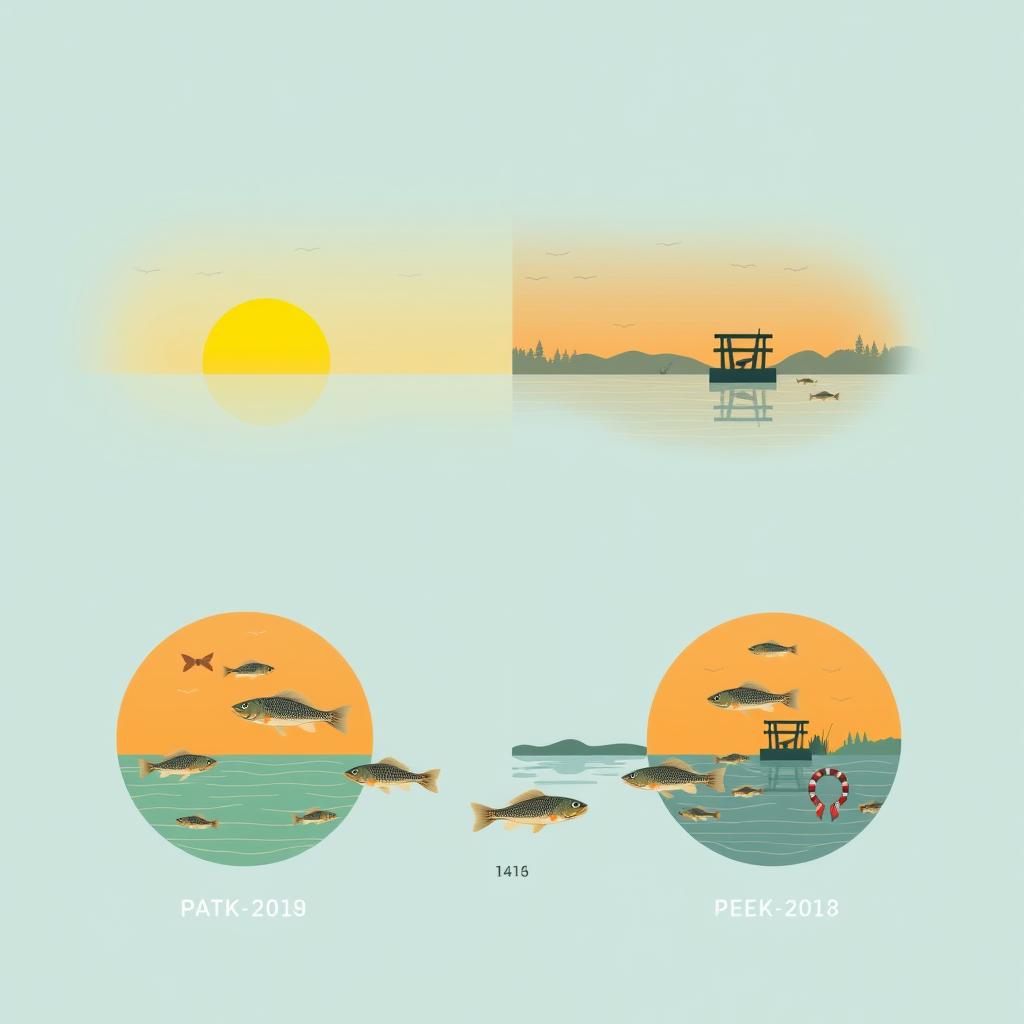
Fish have natural daily rhythms just like we do, but their schedule is driven by survival instincts. The best fish feeding times typically occur during low-light conditions when fish feel safer venturing into shallow areas to hunt for food. This means early morning and late evening are your golden hours for fishing success.
Dawn breaks around 5:30-7:00 AM depending on the season, and this transition from darkness to light triggers feeding activity. Fish have been resting during the night and wake up hungry. Similarly, the evening transition from light to dark around sunset creates another feeding window as fish prepare for the night.
Weather’s Impact on Fish Behavior
Weather changes dramatically affect how fish behave, and understanding these patterns can make the difference between a great day and going home empty-handed. Fish are incredibly sensitive to barometric pressure changes — often more sensitive than the weather app on your phone.
Falling barometric pressure (before a storm) often triggers aggressive feeding as fish sense the coming weather change. Rising pressure after a storm passes can also create excellent fishing conditions. Stable, high pressure during clear, sunny weather often makes fish less active and more selective about what they’ll bite.
Weather Conditions and Fish Activity
- Overcast skies: Fish feel safer and feed throughout the day, not just at dawn/dusk
- Light rain: Often excellent for fishing as it oxygenates water and washes insects in
- Before storms: Falling pressure triggers feeding frenzies — great fishing if you can beat the weather
- After cold fronts: Fish become sluggish and move deeper; fish slowly with smaller baits
- Stable conditions: Fish follow predictable patterns; stick to proven spots and times
Temperature and Seasonal Patterns
Water temperature controls fish metabolism more than any other factor. Think of fish as solar-powered — their activity levels rise and fall with water temperature. In spring, as water warms, fish become more active and move into shallower areas to spawn and feed.
Summer brings peak activity, but the hottest parts of the day drive fish into deeper, cooler water or shade. Fall fishing can be spectacular as fish feed heavily to prepare for winter. Winter slows everything down — fish move deeper and eat less frequently, requiring different techniques and more patience.
Understanding Fish Habitat Preferences
Fish don’t randomly swim around hoping to bump into food. They position themselves in areas that provide three essentials: food, cover, and appropriate water conditions. Learning to identify these areas dramatically improves your chances of success.
Look for structure — fallen trees, rock piles, weed edges, or drop-offs where shallow water meets deep water. These areas concentrate baitfish and provide ambush points for predator fish. They also offer quick escape routes if danger appears.
Prime Habitat Features
- Drop-offs: Where shallow water quickly becomes deep — fish use these as highways
- Weed edges: Oxygen-rich areas that attract insects and small fish
- Fallen trees: Provide cover and attract insects that fall into the water
- Rocks and riprap: Harbor insects and small crustaceans that fish eat
- Inflows: Where streams enter lakes, bringing fresh oxygen and food
- Shade: Docks, overhanging trees, or bridges provide cooler water in summer
Feeding Behavior by Fish Species
Different fish species have distinct feeding behaviors, and understanding these patterns helps you choose the right approach. Bass are ambush predators that hide near cover and strike fast-moving prey. Bluegill are more methodical, carefully inspecting their food before biting.
Catfish are bottom feeders with an amazing sense of smell — they’ll follow scent trails for long distances. Trout are opportunistic and will eat insects, minnows, or worms depending on what’s available. Each species requires slightly different tactics, but the basic principles remain the same.
Better timing
Fish when fish are most likely to bite, maximizing your success rate.
Location confidence
Spend time in productive areas instead of randomly casting everywhere.
Efficient fishing
Make the most of limited fishing time by working smarter, not harder.
Ignoring weather changes
Missing excellent fishing opportunities before storms or during overcast conditions.
Fighting natural patterns
Trying to force fish to bite during their least active periods instead of adapting.
Moon Phases and Fish Activity
Many experienced anglers swear by fishing during certain moon phases, and there’s actually science behind this. The moon’s gravitational pull affects tides in large bodies of water and may influence fish behavior in smaller lakes too. Full moons and new moons often produce the best fishing, especially during the hour before and after moonrise or moonset.
While moon phases shouldn’t dictate your fishing schedule, they’re worth considering when planning longer trips or deciding between multiple fishing options. Combine moon phase information with weather patterns and seasonal timing for the best overall picture.
Reading Water and Fish Signs
Learning to “read” the water helps you identify active fish without expensive electronics. Look for dimples or rings on the surface where fish are feeding on insects. Watch for birds diving into the water — they’re often following schools of baitfish, which means predator fish are nearby.
Jumping fish usually indicate feeding activity, even if they’re not jumping to eat. Active fish are often feeding fish. Also watch for baitfish activity — nervous schools of small fish being pushed to the surface usually mean larger fish are hunting below.
What time of day do fish bite most?
Early morning (30 minutes before sunrise until 2 hours after) and late evening (2 hours before sunset until dark) are typically the most productive times. Fish feel safer feeding during these low-light transitions.
Do fish bite better before or after rain?
Both can be excellent, but for different reasons. Before storms, falling barometric pressure often triggers feeding frenzies. After light rain, increased oxygen and insects being washed into the water can also stimulate feeding.
Why do fish stop biting when it gets sunny?
Bright sunlight makes fish feel vulnerable to predators (like birds), so they move to deeper water or cover. They also become more selective about what they’ll bite, preferring smaller, more natural presentations.
How does water temperature affect fish behavior?
Fish are cold-blooded, so water temperature directly affects their metabolism. Warmer water (60-75°F) makes them more active and likely to feed. Very cold or very hot water slows their activity and makes them less aggressive.
Final Thoughts
Understanding fish behavior transforms fishing from random luck into informed strategy. While you can’t control the weather or make fish bite on command, you can dramatically improve your odds by fishing when and where fish are naturally most active.
Start by focusing on the basics: fish during dawn and dusk transitions, look for structure and cover, and pay attention to weather changes. As you gain experience, you’ll start noticing subtle patterns specific to your local waters. Keep a simple fishing log noting conditions when you catch fish — patterns will emerge that make you a much more successful angler.