
Have you ever wondered how some anglers seem to magically find the fish wherever they go? They toss their line in just the right spot and start catching fish while you’re still scratching your head. The secret isn’t luck—it’s the skill of reading water.
Reading water is like learning to read a book written by nature. Once you understand the “language” of lakes and rivers, every body of water tells you exactly where the fish are hiding. It’s the difference between fishing blind and fishing smart.
This skill transforms random casting into strategic fishing. Instead of hoping fish will find your bait, you’ll be placing it exactly where fish want to be. Let’s decode the underwater world together.
What Does Reading Water Really Mean
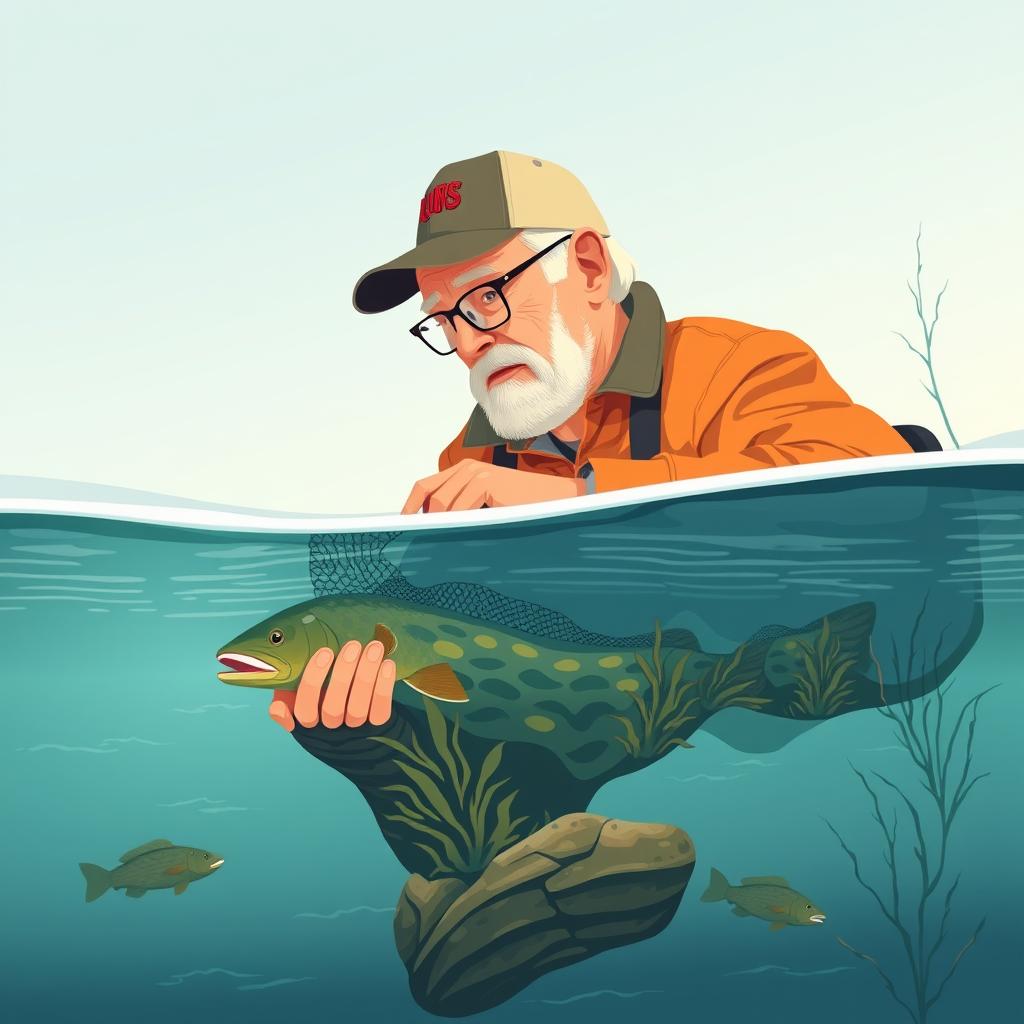
Reading water means interpreting visual clues on and around the water to understand what’s happening below the surface. Fish habitat isn’t random—it follows predictable patterns based on depth, structure, food sources, and water conditions.
Think of fish like people looking for the perfect neighborhood. They want safety (cover), food (feeding areas), and comfortable living conditions (proper depth and temperature). Your job is to identify these underwater neighborhoods.
- Structure Identification: Rocks, fallen trees, weed beds, and underwater ledges
- Depth Changes: Drop-offs, shallow flats, and deeper channels
- Current Analysis: How water moves and where it creates feeding opportunities
- Cover Recognition: Places where fish feel safe from predators
Key Water Features That Hold Fish
Drop-offs and Ledges
Underwater ledges are like underwater highways for fish. They provide quick access between shallow feeding areas and deep resting spots. Look for areas where shallow water quickly becomes deep—you can often see this as a color change from light to dark water.
Fish use these edges like we use sidewalks. Bass cruise along ledges hunting for food, while panfish often school near the drop-off zone where they can quickly escape to deeper water if threatened.
Vegetation and Weed Lines
Healthy aquatic vegetation creates oxygen, provides food, and offers cover. The edges of weed beds are particularly productive because they create an “edge effect”—the transition zone between two different habitats.
Points and Coves
Underwater points extend into the lake like fingers, creating ambush spots for predatory fish. Coves provide protection and are often warmer, making them ideal for spawning and feeding. During windy conditions, coves on the calm side offer more comfortable fishing spots.
Reading Different Water Types
Lakes and Ponds
In still waters, focus on structure and depth changes. Look for:
- Inlet Areas: Where streams flow in, bringing fresh oxygen and food
- Shallow Bays: Warm up faster in spring and hold baitfish
- Rocky Shorelines: Provide hard structure and reflect wind-blown food
- Boat Docks: Create shade and structure that attract fish
Rivers and Streams
Moving water creates different opportunities. Current brings food but also requires energy to fight. Fish look for spots with food delivery but minimal current.
🏆 Prime River Spots
Eddies behind rocks or logs, deeper pools, undercut banks, and the calm water below rapids. Current breaks are fish magnets.
⭐ Seasonal Considerations
Spring: Fish shallow, warming areas. Summer: Look for deeper, cooler water and shade. Fall: Fish are feeding heavily before winter. Winter: Focus on the deepest, most stable areas.
Visual Clues to Look For
Your eyes are your best tools for reading water. Here’s what to watch for on the surface:
- Color Changes: Light areas usually mean shallow water, dark areas indicate depth
- Surface Texture: Smooth water might indicate deeper areas; ripples can show structure below
- Bird Activity: Diving birds often indicate schools of baitfish
- Foam Lines: Collect insects and small organisms that fish feed on
Wind direction matters too. Wind pushes plankton and small organisms to one side of the lake, and baitfish follow. Predator fish aren’t far behind this floating buffet.
More Fish Caught
Strategic casting versus random fishing dramatically improves success rates.
Less Time Wasted
Spend time fishing productive water instead of empty areas.
Works Anywhere
These principles apply to any freshwater body you’ll fish.
Learning Curve
Takes practice and experience to read water accurately.
Weather Dependent
Wind and waves can make visual reading more difficult.
Technology Helps But Eyes Come First
Fish finders and depth maps are valuable tools, but learning to read water with your eyes is the foundation. Technology confirms what you see, but shouldn’t replace observation skills.
Start simple: look for the most obvious features like fallen trees, docks, or weed beds. As your skills develop, you’ll start noticing subtle color changes and surface patterns that reveal underwater structure.
Frequently Asked Questions
How long does it take to learn to read water?
Basic skills develop within a few fishing trips, but mastery takes seasons of experience on different waters. Start with obvious features and build from there.
What if the water is too murky to see structure?
Look for surface clues like current breaks, foam lines, and bird activity. Feel with your lure or weight to identify bottom changes and structure.
Do these principles work in all seasons?
Yes, but fish behavior changes seasonally. Spring fish are in shallows, summer fish seek cooler depths, fall fish are feeding actively, and winter fish are in the deepest areas.
Should I fish the same spots every time?
Good structure remains productive, but vary your approach. Fish the same areas at different times of day and with different baits to maximize success.