
There’s something magical about watching a fish take live bait – that subtle twitch of the rod tip, the slow bend, and then the satisfying hookset. Live bait fishing represents the most natural approach to angling, using actual prey that fish are programmed to hunt. While artificial lures can be effective, nothing quite matches the scent, movement, and appeal of genuine natural bait.
Live bait works because it triggers every sense that fish use to hunt – sight, smell, taste, and lateral line vibrations. A struggling cricket or wiggling worm sends out the exact signals that predatory fish have evolved to detect and attack. This authentic presentation often succeeds when artificial lures fail, especially when fish are cautious or feeding selectively.
This comprehensive guide will teach you everything about fishing with worms, crickets, minnows, and other live baits. You’ll learn proper handling, rigging techniques, and strategies that consistently produce results for beginners and experts alike.
Why Live Bait Outperforms Artificials
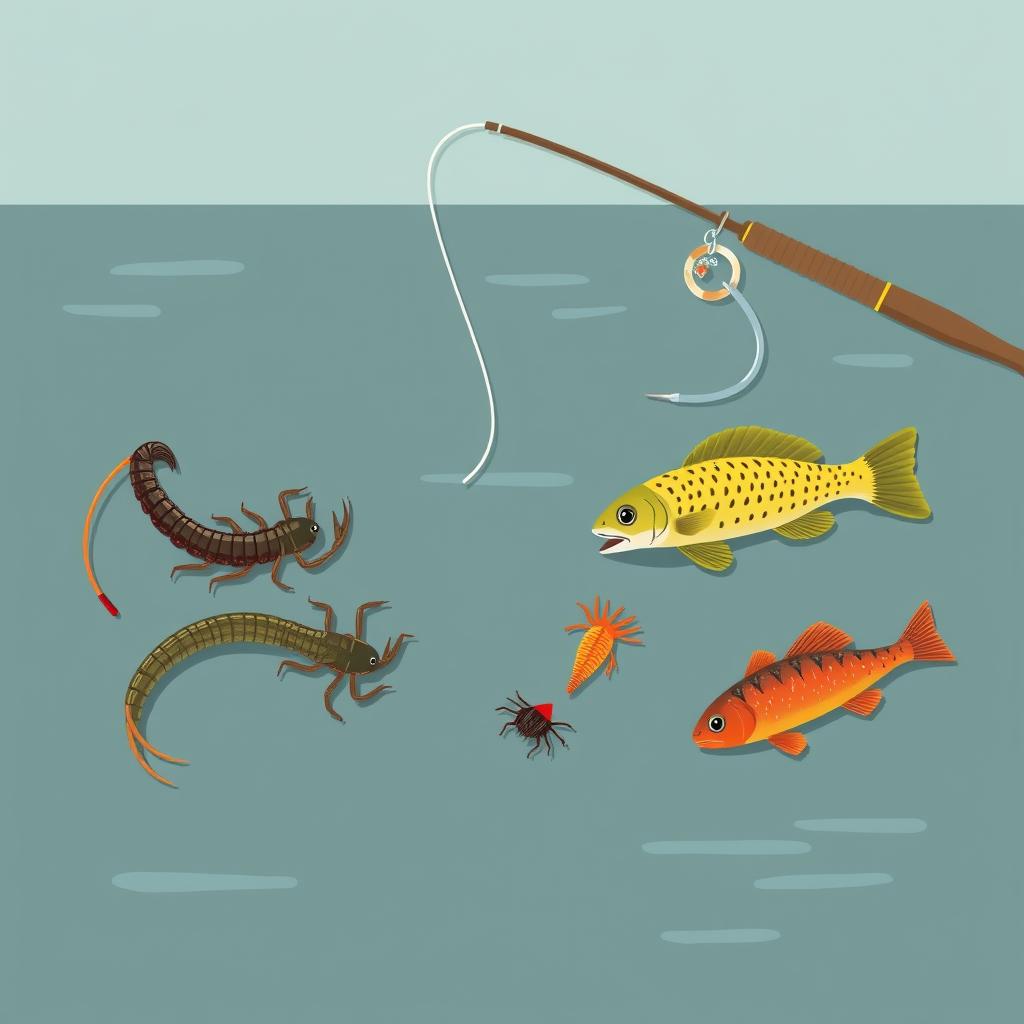
Live bait fishing succeeds where other methods struggle because it presents fish with exactly what they’re looking for – real food behaving naturally. Unlike artificial lures that require precise action from the angler, live bait creates its own movement, scent trail, and vibrations.
The effectiveness of fishing bait that’s alive comes from several factors working together:
- Authentic scent trails: Live bait releases natural chemicals that fish follow like a roadmap
- Realistic movement: Nothing moves like a living creature trying to escape
- Extended presentation time: Live bait stays active for extended periods
- Broad appeal: Works for virtually every freshwater species
- Forgiving technique: Fish often hook themselves on live bait
Even suspicious fish that ignore artificial lures will often strike live bait. The natural presentation overcomes their wariness, especially in clear water or heavily pressured fishing areas where fish have seen every lure multiple times.
Essential Live Bait Types
Different live baits appeal to different fish species and situations. Understanding when and how to use each type dramatically improves your success rate.
Nightcrawlers and Earthworms
The backbone of live bait fishing, worms work for almost every freshwater species from bluegill to catfish to bass. Their universal appeal makes them perfect for beginners or when you’re not sure what fish you’ll encounter.
🏆 Nightcrawlers — Large and Versatile
Big, juicy worms perfect for larger fish. Best for: Bass, catfish, walleye, and trout. Use whole on larger hooks or in pieces for smaller species.
⭐ Red Worms — Small but Mighty
Smaller worms ideal for panfish and trout. Stay lively longer than nightcrawlers in warm water.
Crickets and Grasshoppers
These insects excel for surface-oriented fish and species that feed on terrestrial insects falling into the water. Particularly effective during summer when insects are most active.
Crickets work exceptionally well for bluegill, crappie, and trout. Hook them through the collar behind the head to keep them alive and kicking on the surface.
Minnows and Small Fish
Live minnows attract predatory fish like bass, pike, walleye, and larger trout. The frantic movement of a hooked minnow triggers aggressive strikes from fish that might ignore other baits.
Use minnows when targeting larger fish or fishing in areas where small baitfish are the primary forage. Hook them through the lips or behind the dorsal fin, depending on your fishing style.
Live Bait Rigging Techniques
How you present live bait can make the difference between success and frustration. Proper rigging keeps bait alive longer and presents it naturally to fish.
Basic Worm Rigging
For worms, thread the hook through the “collar” (the thicker band) and let the rest of the worm dangle freely. This keeps the worm alive while allowing natural movement that attracts fish.
Avoid hooking worms in multiple places, which kills them quickly and creates unnatural presentation. A single hook point through the collar provides the best balance of security and liveliness.
Cricket and Grasshopper Presentation
Hook crickets and grasshoppers lightly through the collar behind the head. This preserves their ability to kick and struggle while keeping them securely attached to your hook.
For surface fishing with crickets, use a small bobber to keep them floating. The struggling insect creates ripples that attract fish from considerable distances.
Minnow Rigging Methods
Two main approaches work for minnow rigging:
- Lip hooking: Hook through both lips for natural swimming action
- Dorsal hooking: Hook behind the dorsal fin for longer-lasting presentation
Lip hooking works better for active fishing where you’re moving the bait. Dorsal hooking is ideal for still fishing where you want the minnow to swim naturally around your fishing area.
Live Bait Storage and Care
Keeping live bait healthy requires proper equipment and techniques. Dead or dying bait produces far fewer strikes, making proper care essential for success.
Worm Storage
Keep worms in cool, moist bedding like commercial worm bedding or shredded newspaper. Store in a refrigerator or cooler, never in direct sunlight or hot areas.
Change bedding regularly and remove dead worms immediately to prevent contamination. Healthy worms should be plump, active, and responsive to touch.
Cricket Care
Store crickets in ventilated containers with small pieces of potato or apple for moisture. Keep them cool but not cold – extreme temperatures kill crickets quickly.
Feed crickets cricket food or fish flakes to keep them healthy. Well-fed crickets stay more active and produce better fishing results.
Minnow Maintenance
Minnows require the most care, needing oxygenated water and proper temperature. Use an aerator or frequently change water to maintain oxygen levels.
Never overcrowd minnow buckets. Too many minnows in too little water quickly depletes oxygen and kills your bait supply.
Species-Specific Live Bait Strategies
Different fish species respond better to specific live baits and presentation methods. Matching your approach to your target species improves results significantly.
Bass Fishing with Live Bait
Bass respond aggressively to live minnows, especially during cooler months when metabolism slows. Use larger minnows (3-4 inches) and fish them near structure like fallen trees or weed edges.
Nightcrawlers work well for bass when fished on the bottom near cover. The large worm profile attracts bigger bass while the natural scent draws fish from considerable distances.
Panfish and Live Bait
Bluegill, crappie, and other panfish love crickets and small worms. Use light tackle and small hooks to match their delicate mouths. A simple bobber rig keeps bait at the perfect depth.
During summer, crickets fished just under the surface produce explosive strikes from feeding bluegill. The sight and sound of struggling insects triggers their feeding instinct immediately.
Catfish Bait Preferences
While catfish eat almost anything, live nightcrawlers and small baitfish work exceptionally well. The strong scent trail attracts catfish from long distances, especially in murky water.
Fish live bait on the bottom for catfish, using enough weight to keep it in place. Catfish often take bait slowly, so patience is essential for proper hook sets.
Natural presentation
Nothing beats the authentic movement and scent of real prey for attracting fish.
Universal appeal
Live bait works for virtually every freshwater species in all conditions.
Beginner friendly
Fish often hook themselves on live bait, making it forgiving for new anglers.
Requires preparation and care
Live bait needs proper storage, handling, and maintenance to stay effective.
Limited shelf life
Unlike artificial lures, live bait can die and become useless during your trip.
Live Bait Regulations and Ethics
Before using live bait, check local regulations regarding legal species, transportation, and disposal. Some areas prohibit certain baitfish to prevent invasive species introduction.
Transportation Guidelines
Never transport live fish between different water bodies without checking regulations. This practice can spread invasive species and diseases that devastate local ecosystems.
Use only locally sourced baitfish when possible, or purchase from licensed dealers who follow proper protocols. Dispose of unused bait water properly – never dump it into different waterways.
Ethical Considerations
Handle live bait humanely and use only what you need. Overharvesting natural bait can impact local ecosystems, especially in smaller water bodies.
Consider catch and release practices when using live bait. Deep-hooked fish may not survive, so use barbless hooks or circle hooks to improve release survival rates.
Frequently Asked Questions
How long can I keep live bait alive?
With proper care, worms can last weeks, crickets several days to a week, and minnows 1-3 days depending on conditions. Temperature and oxygen are the key factors affecting survival.
What’s the best hook size for live bait?
Match hook size to bait size, not fish size. Use size 6-8 for worms, 10-12 for crickets, and 2-6 for minnows. Smaller hooks allow more natural bait presentation.
Can I use dead bait that was previously alive?
Fresh dead bait can work, especially for catfish and some other species, but it’s much less effective than live bait. The movement and fresh scent of live bait trigger more strikes.
Where can I buy live bait if I can’t catch my own?
Most tackle shops, bait shops, and sporting goods stores carry live bait. Call ahead to check availability, especially for specific types like crickets or particular minnow species.
Final Thoughts
Live bait fishing connects you to angling’s most fundamental principle – presenting fish with exactly what they’re programmed to eat. While it requires more preparation than artificial lures, the results speak for themselves in consistently higher catch rates across all species and conditions.
Start with nightcrawlers for their universal appeal and ease of use. As you gain experience, experiment with crickets for surface action and minnows for targeting larger predatory fish. Each type of live bait opens new fishing possibilities and teaches valuable lessons about fish behavior.
Remember that successful live bait fishing is about more than just threading a worm on a hook. Proper care, natural presentation, and understanding fish behavior separate consistent anglers from occasional lucky ones. The extra effort invested in live bait preparation pays dividends in memorable fishing experiences.
Next time you’re planning a fishing trip, consider the live bait approach. You might be surprised at how this time-tested method outperforms the latest high-tech lures when fish are being selective or conditions are challenging.