
Picture this: you’re sitting comfortably by a peaceful lake, your fishing line gently suspended in the water while you watch the sunrise paint the sky in brilliant colors. No frantic casting, no complicated techniques, just you and the quiet anticipation of a fish taking your bait. This is still fishing — perhaps the most relaxing and rewarding approach to angling.
Still fishing strips away the complexity of modern angling and returns to the fundamentals: patience, observation, and simple enjoyment. It’s perfect for anglers who appreciate the meditative aspects of fishing as much as the catch itself.
What Is Still Fishing?
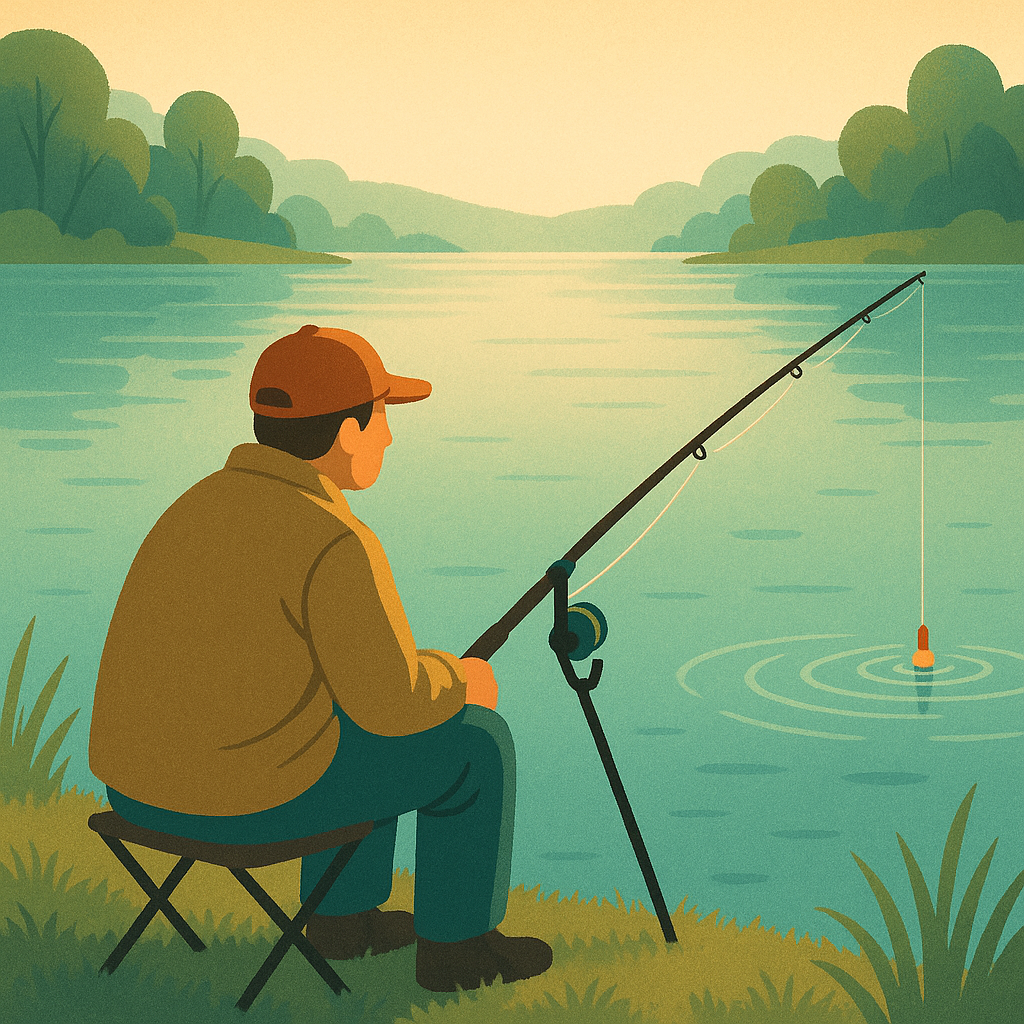
Still fishing is the practice of keeping your bait stationary in the water while waiting for fish to find and take it. Unlike trolling or active lure fishing, you’re not moving the bait — the fish come to you. This technique works from shore, pier, bridge, or anchored boat.
The beauty of still fishing lies in its simplicity. Once your bait is in position, you can relax, enjoy your surroundings, and watch for the telltale signs of fish activity. It’s fishing reduced to its purest form.
Basic Still Fishing Setup
- Rod holder or rest: Keeps your rod steady while you wait
- Circle hooks: Self-setting hooks reduce the need for aggressive hook sets
- Sinker weight: Keeps bait in the strike zone
- Natural bait: Worms, crickets, minnows, or cut bait work best
Why Still Fishing Works
Fish are naturally cautious creatures that often spook from sudden movements or unnatural presentations. Stationary fishing allows your bait to behave naturally in the water, increasing its appeal to wary fish.
Still fishing also allows you to observe water conditions, weather changes, and fish behavior patterns. You’ll notice when fish start feeding, how they respond to light changes, and where they’re most active throughout the day.
Best Locations for Still Fishing
The key to successful still fishing is choosing productive water. Look for areas where fish naturally congregate: drop-offs, structure, weed lines, and feeding areas.
Shore Fishing Spots
🌊 Points and Coves
Underwater points funnel fish into specific areas, while coves provide shelter and feeding opportunities. These natural features concentrate fish and increase your chances of success.
🪨 Rocky Areas
Rocks provide cover for small fish, which attract larger predators. The irregular bottom creates pockets where fish feel secure and hunt for food.
Structure-Rich Areas
🌿 Weed Edges
The transition between weeds and open water creates natural ambush points. Fish use weeds for cover while hunting in adjacent clear areas.
🏗️ Docks and Piers
Man-made structure provides shade and attracts baitfish. The vertical posts create current breaks and feeding lanes that fish use regularly.
Reading the Water
Successful still fishing requires understanding subtle signs that indicate fish activity. Unlike active fishing techniques, you rely on observation rather than lure action to trigger strikes.
Watch for surface disturbances, jumping fish, and bird activity. Feeding fish often create ripples, while diving birds indicate schools of baitfish below. These visual cues help you position your bait in productive areas.
Developing Fishing Patience
The biggest challenge for many anglers new to still fishing is developing the fishing patience this technique requires. Modern life conditions us for instant gratification, but successful still fishing operates on a different timeline.
Start with shorter sessions — 30 to 60 minutes in one spot before moving. As you become more comfortable with the rhythm of still fishing, you’ll naturally extend these periods and develop the patience that leads to better catches.
Bait Selection and Presentation
Natural baits excel in still fishing situations because they can remain effective for extended periods. Live bait moves naturally even when stationary, while fresh cut bait releases scent attractants into the water.
Live worms remain the most versatile still fishing bait. They work in all water types and attract multiple species. Thread them onto your hook naturally, leaving the ends free to wiggle and attract fish.
Minnows and small fish work exceptionally well for predator species. Hook them through the lips for active presentation or through the back for longer-lasting bait.
Pros and Cons of Still Fishing
Extremely Relaxing
Perfect for stress relief and enjoying peaceful time outdoors.
Simple Equipment
Requires minimal gear and works with basic fishing equipment.
Great for Socializing
Perfect technique for fishing with family and friends.
Universal Technique
Works for almost any freshwater species from any location.
Requires Patience
Success depends on waiting for fish rather than actively pursuing them.
Weather Dependent
Comfort levels greatly affected by sun, wind, and temperature.
Limited Water Coverage
You can only fish the area within casting distance of your position.
Bait Maintenance
Need to check and refresh bait regularly to maintain effectiveness.
Frequently Asked Questions
How long should I wait in one spot before moving?
Start with 30-45 minutes in a new spot. If you’re not getting bites or seeing fish activity, try a different location. Productive spots often produce fish within the first hour.
What’s the best depth for still fishing?
Target depths between 6-15 feet for most species. Shallow areas (3-8 feet) work well during low light conditions, while deeper water (10-20 feet) is better during bright midday periods.
Should I use a bobber for still fishing?
Bobbers help detect subtle bites and keep bait at specific depths. They’re especially useful for beginners and when fishing for panfish or trout in shallow to medium depths.
How often should I check my bait?
Check every 15-20 minutes initially. Fresh, active bait attracts more fish. If small fish are stealing your bait quickly, check more frequently.
The Zen of Still Fishing
Still fishing offers something increasingly rare in our busy world: permission to slow down and simply be present. While waiting for fish, you’ll notice details that escape active anglers — the way light plays on water, the sounds of wildlife, the rhythm of waves against shore.
Many dedicated still fishers report that the fish become secondary to the experience itself. The technique teaches patience, observation, and appreciation for natural rhythms that extend far beyond fishing.
Whether you catch fish or not, a day spent still fishing is rarely wasted. You’ll return home refreshed, relaxed, and reconnected with the peace that only time spent quietly by the water can provide.