

When it comes to learning how to fish, few species are as forgiving and rewarding as bluegill fishing. These colorful panfish are nature’s perfect teacher fish – abundant, eager to bite, and scrappy enough to provide real excitement when hooked. If you’re new to fishing or introducing someone to the sport, bluegill should be your first target. Think of them as the golden retrievers of the fishing world: friendly, predictable, and always happy to see you.
Bluegill fishing offers instant gratification that keeps new anglers engaged while building essential skills. Unlike some fish that require expensive gear or complex techniques, these sunfish respond beautifully to simple presentations and basic equipment. Best of all, they’re found in nearly every body of freshwater across America, making them accessible regardless of where you live.
Why Bluegill Are Perfect for Beginners
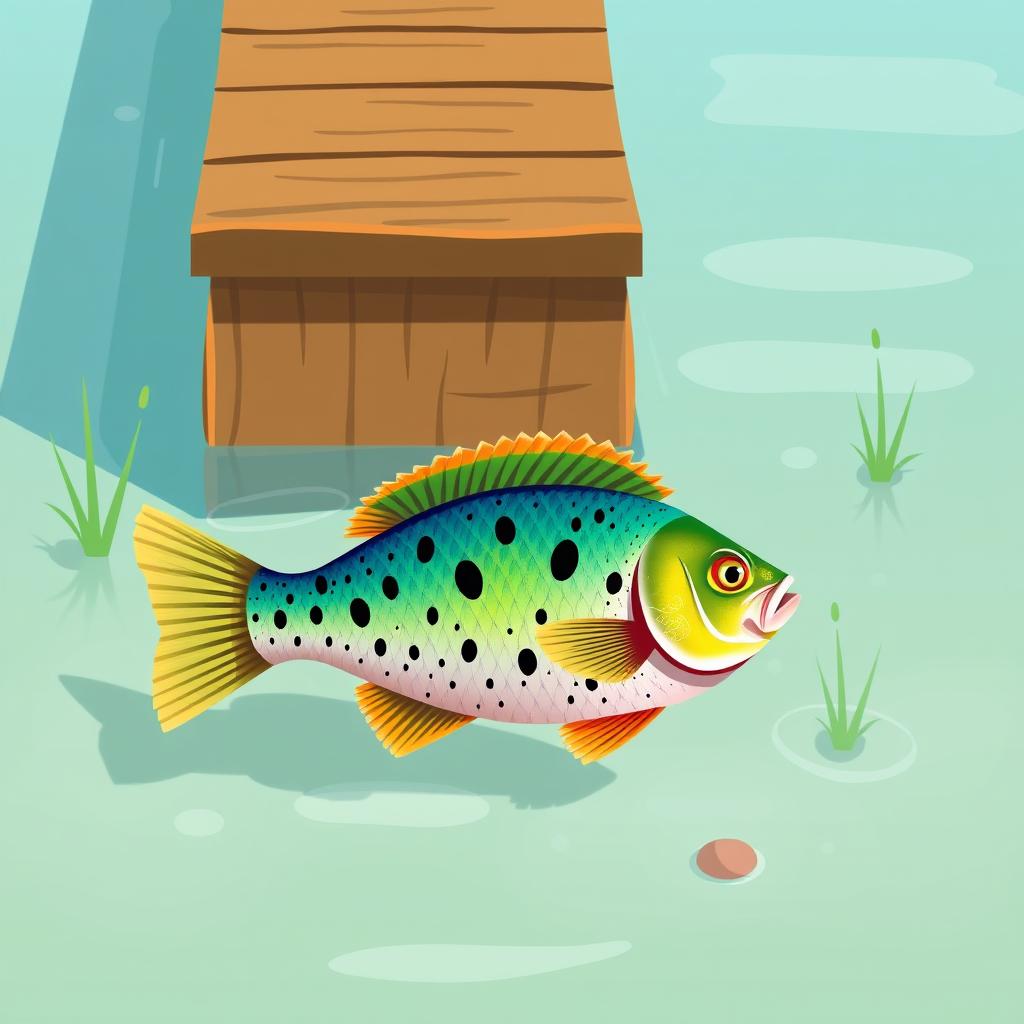
Bluegill have earned their reputation as the perfect beginner fish through decades of introducing new anglers to the joys of fishing. These panfish possess characteristics that make learning both easy and enjoyable, while still providing genuine fishing excitement.
Their aggressive feeding behavior means you won’t spend hours waiting for a bite. Bluegill are curious, opportunistic feeders that investigate anything that looks remotely edible. This trait makes them incredibly forgiving of imperfect presentations and beginner mistakes.
- Size and Fight: 6-10 inches typically, but they fight much larger than their size suggests
- Abundance: Large populations in most lakes, ponds, and slow rivers
- Feeding Habits: Active throughout the day, not just dawn and dusk
- Simple Techniques: Respond well to basic bobber fishing and bottom rigs
Understanding Bluegill Behavior
Success with bluegill fishing starts with understanding their simple but predictable patterns. These sunfish prefer shallow to moderately deep water (2-15 feet) with some form of structure or cover. During warm months, they’re often found near the shoreline around docks, fallen trees, weed beds, or rocky areas.
Bluegill are social fish that often school together, especially outside of spawning season. When you catch one bluegill, there are usually more in the same area. This schooling behavior means that once you find them, you can often enjoy steady action for extended periods.
Essential Gear for Bluegill Fishing
One of the biggest advantages of targeting bluegill is that you don’t need expensive or complicated equipment. A basic setup that costs less than $40 can provide years of successful bluegill fishing. The key is choosing gear appropriately sized for these smaller fish.
Rod and Reel Selection
A light or ultralight spinning rod between 5-7 feet long is perfect for bluegill fishing. This lighter tackle allows you to feel every bite and provides more sport when fighting these scrappy panfish. Pair it with a small spinning reel sized 1000-2500.
- Rod Power: Light or ultralight for sensitivity and fun
- Rod Length: 5-7 feet for accurate casting in tight spots
- Line Weight: 4-8lb monofilament or fluorocarbon
- Hook Size: #6-#10 hooks for proper mouth fit
Best Baits for Bluegill
Bluegill are not picky eaters, which is another reason they’re perfect for beginners. Natural baits consistently outperform artificial lures, though small lures can be effective too. The key is using appropriately sized baits that fit their relatively small mouths.
🏆 Live Worms — The Ultimate Bluegill Bait
Small earthworms or red wigglers are hard to beat. Thread them onto a small hook and bluegill will rarely refuse them.
⭐ Crickets — Irresistible to Panfish
Live crickets hooked through the collar behind the head create incredible action. Bluegill often hit crickets aggressively.
🎯 Small Jigs — Active Fishing Option
1/32 to 1/8 ounce jigs tipped with soft plastic or live bait offer versatility when bluegill are scattered.
Proven Bluegill Fishing Techniques
The beauty of bluegill fishing lies in its simplicity. Master these two basic techniques and you’ll catch bluegill consistently in any water where they swim. These methods work because they present bait naturally at the depths where bluegill feed most actively.
Bobber Fishing (Float Fishing)
This classic technique is perfect for beginners because it provides a clear visual indicator when fish bite. Set your bobber 2-4 feet above a small hook baited with worm, cricket, or small piece of nightcrawler. Cast near cover and wait for the bobber to disappear or move sideways.
The key to successful bobber fishing for bluegill is patience and proper depth. Start shallow and gradually increase depth until you find where the fish are holding. Bluegill often suspend at specific depths based on water temperature and time of day.
Bottom Fishing for Bluegill
When bluegill are feeding on the bottom, a simple slip sinker rig works wonderfully. Use a small egg sinker above a swivel, then tie 12-18 inches of lighter line to a small hook. This presentation gets your bait down quickly while still allowing natural movement.
Where to Find Bluegill
Bluegill fishing success depends heavily on location selection. These panfish prefer specific types of habitat that offer food, cover, and comfortable water conditions. Learning to identify productive bluegill water will dramatically increase your success rate.
Prime Bluegill Locations
Look for shallow areas with structure during warm months. Bluegill often relate to visible cover like docks, fallen trees, weed lines, or rocky shorelines. They also love areas where streams enter lakes, as these spots concentrate food and provide current breaks.
- Docks and Piers: Provide shade and attract insects that bluegill eat
- Shallow Bays: Warm quickly in spring and hold food sources
- Weed Beds: Offer cover and harbor small insects and crustaceans
- Points and Humps: Concentrate fish as they move between shallow and deep water
Seasonal Patterns
Understanding how bluegill behavior changes with the seasons will help you locate them more consistently. Spring offers the easiest fishing when bluegill move shallow to spawn, while summer and fall require adjusting your approach as fish scatter to follow food sources.
Common Mistakes in Bluegill Fishing
Even though bluegill are forgiving, certain mistakes can significantly reduce your success. These errors are easily avoided once you know what to watch for, and correcting them will immediately improve your catch rates.
- Using Hooks Too Large: Oversized hooks reduce bites dramatically
- Setting Hooks Too Hard: Bluegill have delicate mouths that tear easily
- Fishing Too Deep: Bluegill are often shallower than beginners expect
- Moving Too Often: Once you find bluegill, stay and work the area thoroughly
Pros and Cons of Bluegill Fishing
Guaranteed Action
Bluegill bite consistently, providing constant encouragement for new anglers learning the basics.
Simple Techniques
Basic bobber fishing and bottom rigs are all you need for consistent success with bluegill.
Great Eating
Bluegill are excellent table fare, providing delicious meals for successful fishing trips.
Size Limitations
Most bluegill are relatively small, which may disappoint anglers seeking larger fish.
Can Be Too Easy
Experienced anglers might find bluegill fishing too simple once they master basic techniques.
Frequently Asked Questions
What’s the best time of day for bluegill fishing?
Bluegill feed actively throughout the day, but early morning and late afternoon typically offer the best action. They’re one of the few fish that bite well during midday hours.
How big do bluegill typically get?
Most bluegill range from 6-8 inches and weigh 4-8 ounces. Trophy bluegill over 10 inches and 1 pound exist but are uncommon in most waters.
What’s the easiest way to catch your first bluegill?
Use a small piece of worm under a bobber near shallow cover like docks or fallen trees. Set the depth to 2-4 feet and be patient – bluegill will find your bait.
Can you catch bluegill in winter?
Yes, though they’re less active in cold water. Fish deeper areas with slower presentations, and expect fewer bites but potentially larger fish.
Making the Most of Your Bluegill Adventure
Bluegill fishing offers more than just catching fish – it’s an opportunity to develop fundamental angling skills in a low-pressure environment. Every aspect of fishing, from reading water to setting hooks, can be practiced and perfected while targeting these willing panfish.
Don’t overlook the social aspects of bluegill fishing either. These fish are perfect for family outings, teaching children, or introducing friends to fishing. The consistent action keeps everyone engaged while creating lasting outdoor memories.
Remember that every expert angler started with species like bluegill. These fish teach patience, observation, and basic technique while providing genuine excitement. Whether you catch your first fish or your thousandth, bluegill never stop being fun.