
Few freshwater experiences match the thrill of feeling a big catfish grab your bait and take off for the deep water. Catfish fishing combines the relaxation of patient angling with the excitement of powerful runs from fish that can weigh 20, 30, or even 50+ pounds. If you’re looking for a fishing adventure that offers both consistency and the potential for trophy-sized catches, catfish should be high on your target list.
Think of catfish as the vacuum cleaners of the underwater world – they’ll eat almost anything that smells interesting. This feeding behavior makes them excellent targets for beginners, while their impressive size and fighting ability keep even experienced anglers coming back for more. Best of all, catfish fishing doesn’t require expensive gear or complex techniques; simple bottom fishing methods consistently produce results.
Understanding Catfish Species
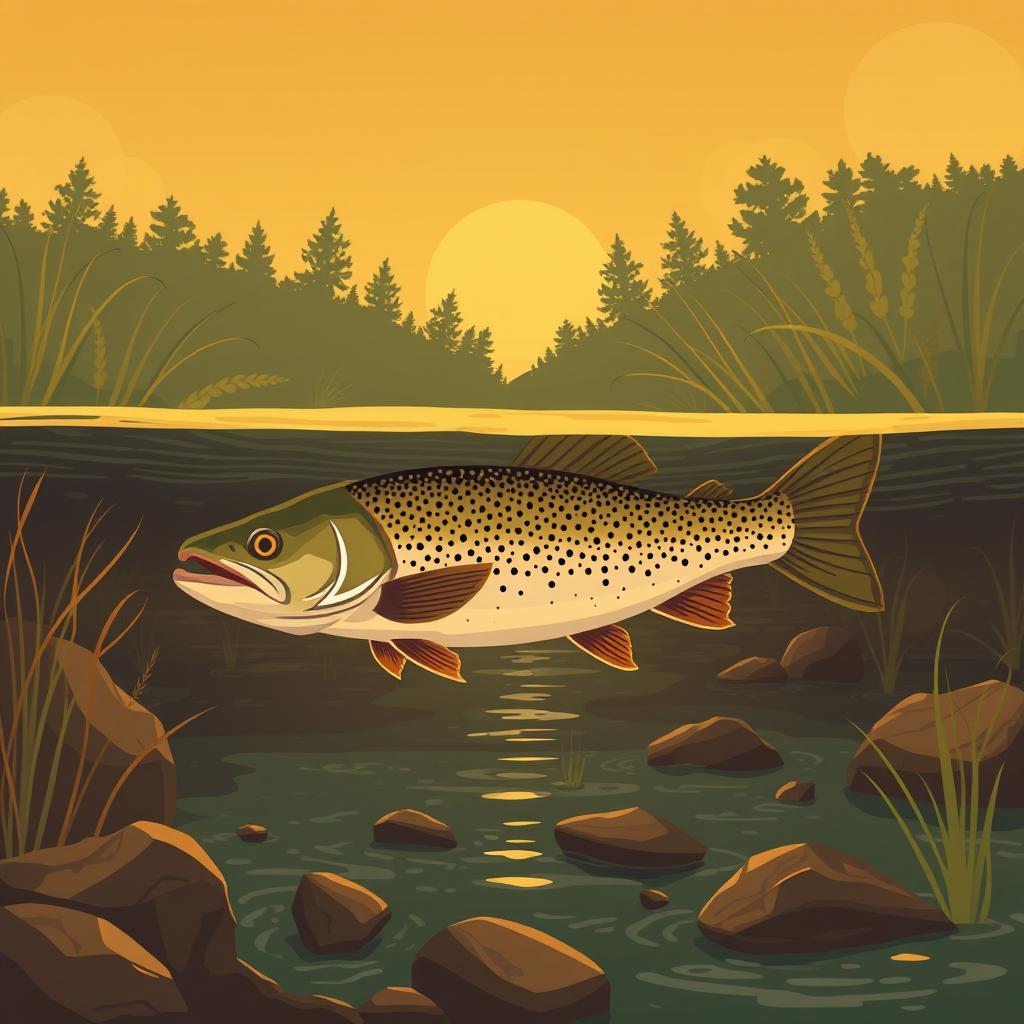
Three main catfish species dominate freshwater fishing across America, each offering unique characteristics and fishing opportunities. Understanding these differences helps you choose the right techniques, locations, and expectations for your catfish fishing adventures.
Channel catfish are the most widespread and beginner-friendly option. These whiskered fighters typically range from 2-10 pounds, though larger specimens exist. They’re found in rivers, lakes, and ponds across most of the United States, making them accessible to nearly every angler.
- Channel Catfish: 2-10 lbs typically, widespread distribution, excellent eating
- Blue Catfish: 10-50+ lbs, larger rivers and reservoirs, trophy potential
- Flathead Catfish: 20-100+ lbs, ambush predators, prefer live bait
- Bullhead Catfish: 1-3 lbs, small waters, great for beginners
Catfish Behavior and Feeding Patterns
Success in catfish fishing starts with understanding how these bottom-dwellers behave. Catfish are primarily scavengers with an incredible sense of smell that allows them to locate food from great distances. They use their barbels (whiskers) to taste and feel for food along the bottom.
Unlike many fish species, catfish are most active during low-light conditions and at night. This nocturnal behavior means excellent catfish fishing often happens when other species have stopped biting. They prefer areas with cover like fallen trees, rock piles, or deep holes where they can rest during bright daylight hours.
Essential Catfish Fishing Gear
Catfish fishing gear doesn’t need to be complicated or expensive, but it should be appropriate for the size of fish you’re targeting. Channel catfish require different tackle than potential 50-pound blue catfish, so match your equipment to your target species and fishing location.
Rod and Reel Setup
A medium-heavy to heavy action rod between 7-8 feet long provides the backbone needed for catfish fishing. This setup gives you the power to fight large catfish while maintaining enough sensitivity to detect subtle bites. Pair it with a reliable spinning or baitcasting reel with a good drag system.
- Rod Power: Medium-heavy to heavy for catfish up to 20 pounds
- Rod Length: 7-8 feet for good leverage and casting distance
- Line Strength: 15-30lb monofilament or braided line
- Circle Hooks: Size 2/0-8/0 depending on target size
Best Catfish Baits
The beauty of catfish fishing lies in bait selection – these fish will eat almost anything that smells appealing. Natural baits consistently outperform artificials, though the best choice depends on your target species and local preferences.
🏆 Chicken Liver — The Classic Choice
Fresh or slightly aged chicken liver produces incredible scent trails that attract catfish from long distances. Thread carefully on circle hooks to prevent falling off.
⭐ Cut Bait — Natural Fish Pieces
Fresh-cut pieces of shad, bluegill, or other local baitfish appeal to catfish’ natural feeding instincts and work in any water.
🎯 Stink Baits — Prepared Baits
Commercial stink baits and dough baits offer convenience and strong scent attraction, perfect for consistent action.
Proven Catfish Fishing Techniques
Bottom fishing forms the foundation of successful catfish fishing. These techniques work because they present bait naturally where catfish feed most actively – along the bottom where they scavenge for food throughout the day and night.
Basic Bottom Rig
The slip sinker rig (Carolina rig) is the most versatile catfish fishing setup. Thread an egg sinker onto your main line, add a swivel, then tie 12-24 inches of leader to a circle hook. This rig allows catfish to take bait without feeling the weight immediately, improving hookup rates significantly.
Cast your rig to likely catfish holding areas and place your rod in a holder with a slight bend in the tip. The key is patience – catfish often mouth bait before committing, so resist the urge to set the hook immediately when you see movement.
Three-Way Rig for Strong Current
When fishing rivers or areas with current, a three-way rig keeps your bait stationary while allowing natural movement. Attach a three-way swivel to your main line, add 6-12 inches of heavy line with a sinker, and tie 18-24 inches of lighter leader to your hook.
Where to Find Catfish
Catfish location varies by season, time of day, and water conditions, but certain patterns hold true across most waters. Understanding these preferences helps you narrow down vast areas of water to the most productive zones where catfish concentrate.
Structure and Cover
Catfish relate to bottom structure more than many anglers realize. Look for areas where the bottom changes – drop-offs, humps, submerged timber, or rock piles. These features concentrate food and provide shelter, making them natural catfish magnets throughout the year.
- Deep Holes: Catfish rest in deep water during bright daylight hours
- Creek Channels: Underwater roadways that catfish use for travel and feeding
- Points and Humps: Ambush spots where catfish wait for food to wash by
- Fallen Trees: Provide cover and attract smaller fish that catfish feed on
Current and Water Flow
Catfish often position themselves where current brings food to them. In rivers, look for eddies below points, holes below rapids, and areas where tributaries enter the main river. In lakes, wind-blown shores and dam tailraces create current that concentrates both food and catfish.
Seasonal Catfish Patterns
Catfish behavior changes dramatically with water temperature and seasonal conditions. Recognizing these patterns helps you adjust techniques and locations throughout the year for consistent success.
Spring Awakening
As water temperatures rise above 60°F, catfish become increasingly active after winter dormancy. They move shallow to feed heavily, making this an excellent time for beginners to experience fast action. Look for them in warming bays and shallow areas with dark bottoms that heat up quickly.
Summer Patterns
Hot summer weather drives catfish to deeper, cooler water during daylight hours. Focus on deep holes, channel edges, and areas with current that provides oxygen. Night fishing becomes extremely productive as catfish move shallow to feed under cover of darkness.
Pros and Cons of Catfish Fishing
Strong Fighting Fish
Catfish provide powerful runs and dogged fights that test your tackle and skills, especially larger specimens.
Simple Techniques
Basic bottom fishing methods work consistently, making catfish accessible to anglers of all skill levels.
Excellent Table Fare
Properly prepared catfish are delicious, providing both sport and sustenance from your fishing efforts.
Messy Baits
Many effective catfish baits are smelly and messy to handle, requiring extra preparation and cleanup.
Sharp Spines
Catfish have sharp pectoral and dorsal spines that can cause painful puncture wounds if handled improperly.
Frequently Asked Questions
What’s the best time to fish for catfish?
Catfish are most active during low-light periods – early morning, evening, and night. Overcast days also provide excellent fishing throughout the day, especially in summer.
How do I safely handle a catfish?
Grip catfish firmly behind the head, avoiding the sharp spines on the sides and top. Small catfish can be “lipped” by gripping the lower jaw, while larger fish require a net and careful handling.
What’s the difference between channel catfish and blue catfish?
Channel catfish typically weigh 2-10 pounds and have a forked tail with dark spots when young. Blue catfish grow much larger (20-50+ pounds), have a straight-edged tail, and prefer larger rivers.
Can I catch catfish during winter?
Yes, though they’re much less active in cold water. Focus on the deepest holes and use smaller baits with very slow presentations. Patience is essential for winter catfish fishing.
Your First Catfish Adventure
Starting your catfish fishing journey doesn’t require perfection – these forgiving fish reward persistence more than precision. Begin with simple bottom fishing in known catfish waters using basic baits like chicken liver or cut bait. Focus on learning to read water and recognize good catfish habitat rather than worrying about advanced techniques.
Remember that catfish fishing often involves periods of waiting punctuated by intense action. Bring comfortable seating, plenty of bait, and patience. When a catfish finally takes your offering, the powerful fight and satisfaction of success make all the waiting worthwhile.
Most importantly, respect these incredible fish whether you keep them for dinner or release them for future anglers to enjoy. Catfish populations benefit from selective harvest and proper handling, ensuring these whiskered fighters remain available for generations of anglers to discover and enjoy.