Bank fishing for beginners is one of the easiest ways to enjoy freshwater fishing without buying a boat, trailer, motor, or a pile of complicated gear. If you can walk to a safe shoreline, set up comfortably, and make a simple cast, you can have a relaxing morning by the water.
The nice thing about bank fishing is that it rewards patience more than fancy equipment. A quiet pond edge, a public lake access, or a slow river bend can all hold fish within casting distance. Think of it like learning to ride a bike in an empty parking lot before trying a busy road: you remove pressure, keep things simple, and let the basic feel come naturally.
Fishing remains a popular outdoor activity across the United States. The U.S. Fish and Wildlife Service reported that Americans spent billions on fishing, hunting, and wildlife recreation in 2022, which shows how many people still value simple time outdoors. For a new angler, bank fishing is the low-stress doorway into that tradition.
What Is Bank Fishing for Beginners?
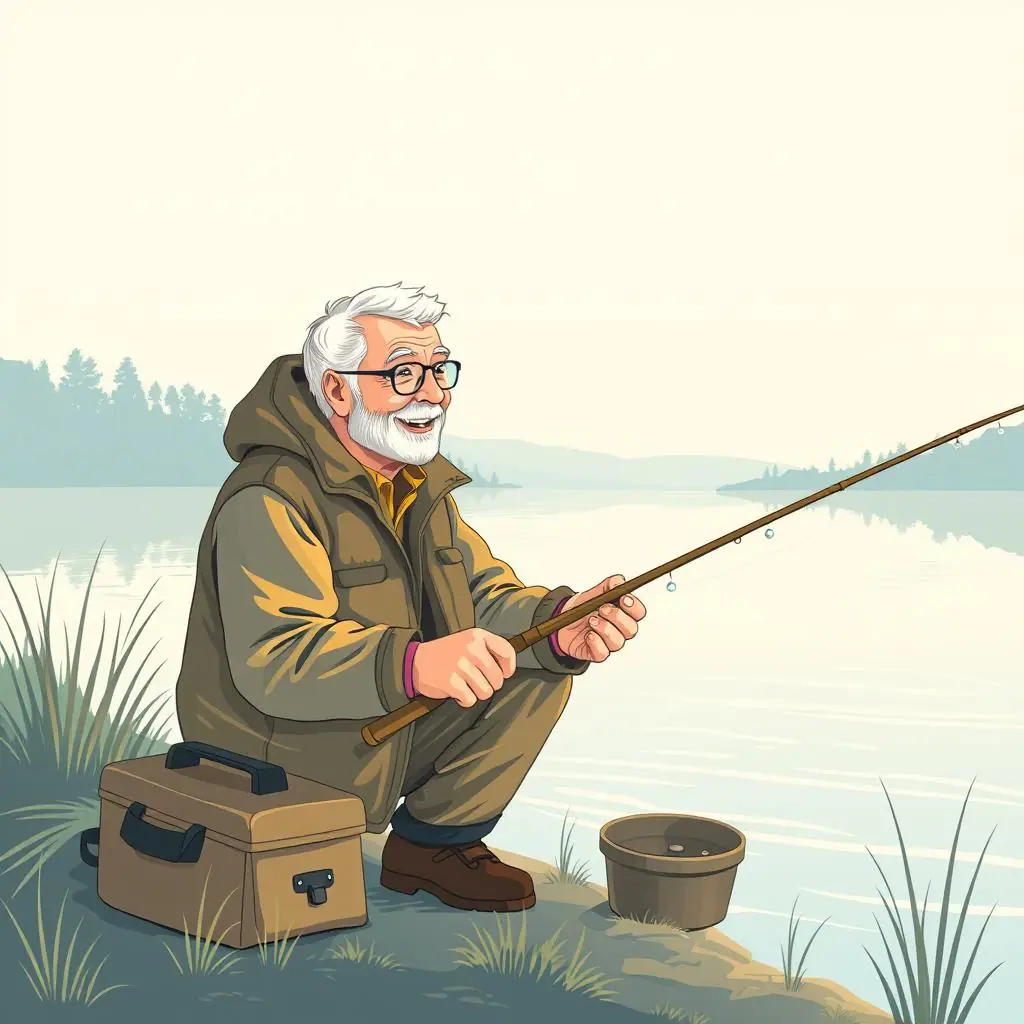
Bank fishing means fishing from shore instead of from a boat. You might stand on a grassy lake bank, sit near a pond, cast from a public access path, or fish beside a calm river pool. For beginners, the goal is not to cover miles of water. The goal is to choose one comfortable spot and learn what the fish are doing.
Most new bank anglers do well by targeting easy freshwater species first, such as bluegill, sunfish, small bass, perch, or stocked trout where available. These fish often feed near the edge, especially around shade, weeds, docks, rocks, fallen branches, and shallow drop-offs.
Why Bank Fishing Works So Well Without a Boat
A boat helps anglers reach more water, but beginners do not need more water at first. They need a place where they can practice safely, fix tangles, adjust bait, and learn how bites look and feel. Bank fishing gives you that room.
Fish use shorelines for food and cover. Insects fall from grass and trees, minnows hide near weeds, and shade keeps water cooler on bright days. That means a careful shore angler can reach productive water with a modest cast.
Bank fishing also keeps the trip easier on the body. You can bring a chair, water, snacks, sunscreen, and a small tackle bag. If you get tired, you are already close to the car or walking path. That comfort matters, especially for adults who want fishing to feel peaceful rather than like a workout.
How to Choose a Good Bank Fishing Spot
Start by looking for public access and safe footing before you think about fish. A slightly less famous spot with clean ground, shade, and room to cast is better than a popular spot where you feel crowded or unsteady.
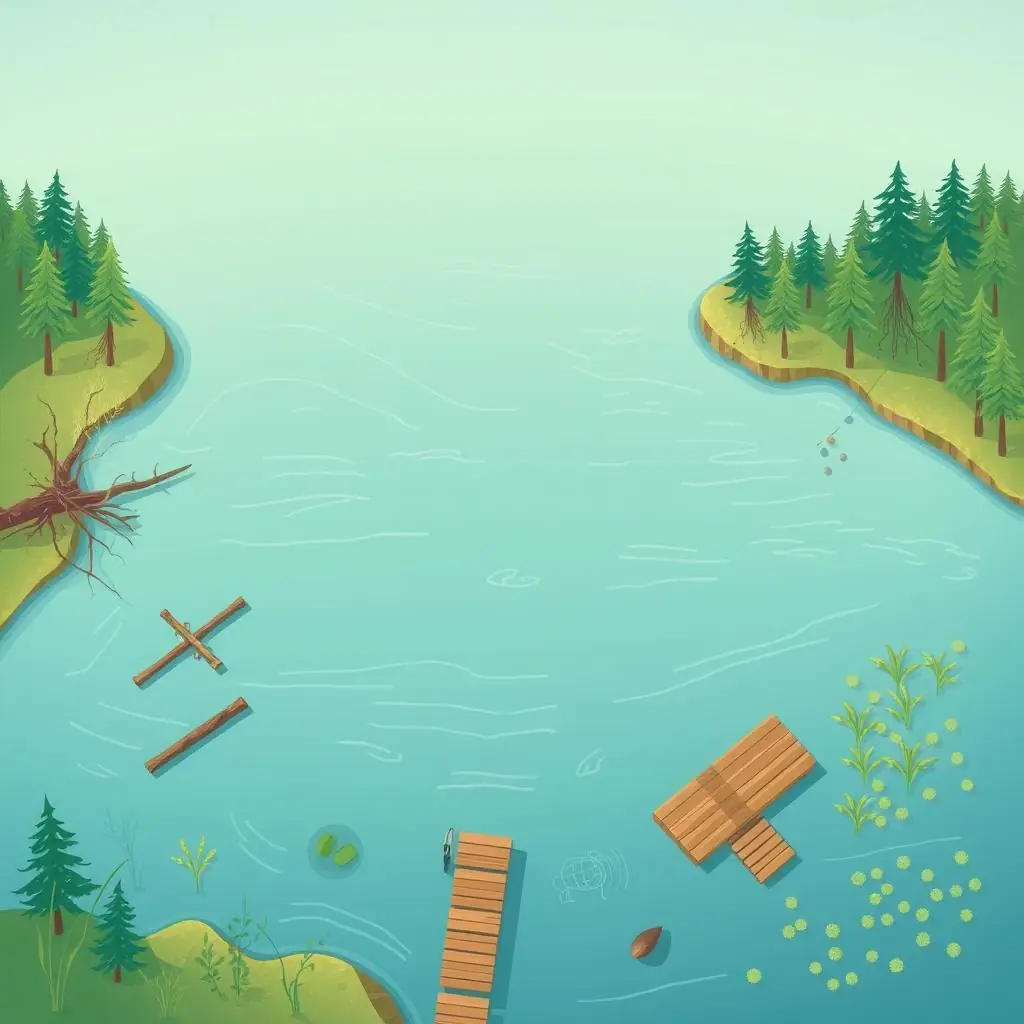
Look for cover and edges
Fish like places where shallow water meets something different. That difference might be weeds, rocks, a dock, a drain pipe, a fallen tree, or a shadow line. These edges act like little grocery aisles for fish.
Watch the water before casting
Spend five quiet minutes observing. Look for rings on the surface, baitfish flickering, birds feeding, or small splashes near the bank. Those clues can tell you more than random casting.
- Choose safe footing first: Avoid steep mud, loose rocks, and banks where you must lean over deep water.
- Fish early or late: Morning and evening usually bring cooler temperatures and more activity near shore.
- Use shade: Bridges, trees, docks, and overhanging banks can hold fish on sunny days.
- Stay mobile, but not rushed: If nothing happens after 20 to 30 minutes, move a short distance and try another edge.
Basic Gear for Fishing from the Bank
You do not need a garage full of tackle. A medium-light or medium spinning combo is forgiving, affordable, and useful for many freshwater situations. Pair it with simple monofilament line, usually 6- to 10-pound test, and you can handle panfish, small bass, and many stocked trout situations.
For bait, live worms are hard to beat because they catch many species and teach beginners how bites look on a bobber. If you prefer lures, start with a small inline spinner, a soft plastic grub, or a simple jig. Keep your choices limited so you learn what each one does.
A comfortable bank setup
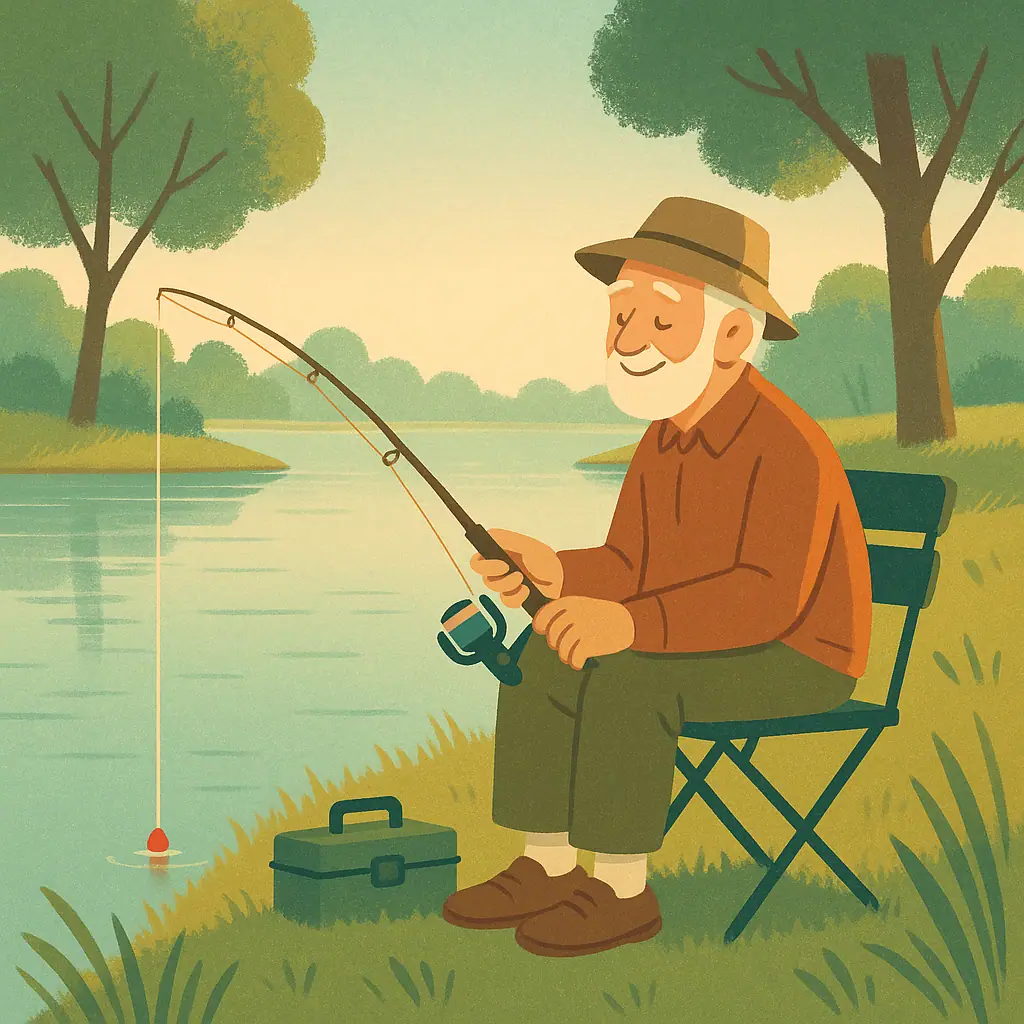
Bring a small folding chair, needle-nose pliers, a towel, water, a hat, polarized sunglasses, and a trash bag. The trash bag is not glamorous, but leaving a cleaner bank than you found is part of being welcome at public fishing spots.
A Simple First Bank Fishing Plan
For your first trip, pick one public pond or lake access and plan for 90 minutes. Rig a small hook, one split shot, and a bobber. Set the bobber so your bait hangs about two to four feet below the surface, then cast near weeds, shade, or a dock edge.
After the cast, let the bait settle. If the bobber twitches, tips, or slowly slides under, lift the rod smoothly. Do not swing like you are chopping wood. A steady lift is enough for small hooks and panfish.
If you use a lure, cast parallel to the bank when possible instead of always throwing straight out. Many fish cruise along the shoreline, so a parallel cast keeps your lure in the strike zone longer.
Pros and Cons of Bank Fishing for Beginners
Low Cost to Start
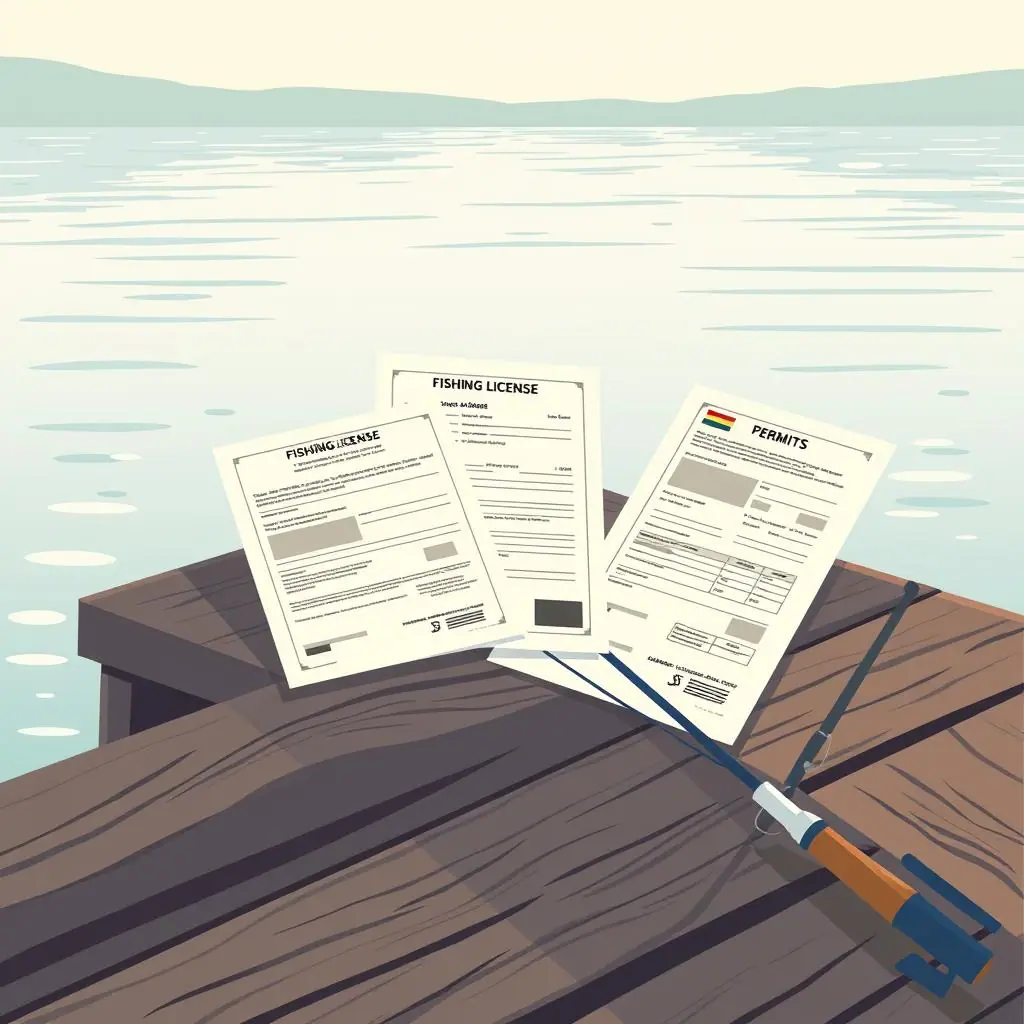
You can begin with one rod, a small tackle box, bait, and a fishing license instead of investing in boat ownership.
Easy to Learn at Your Pace
Shore fishing gives beginners time to practice knots, casting, baiting hooks, and reading bites without feeling rushed.
Comfortable for Short Trips
You can bring a chair, stay close to your vehicle, and turn a simple outing into a calm outdoor routine.
Limited Casting Angles
You cannot always reach deeper water or the exact structure that boat anglers can access.
Crowded Public Spots
Popular banks can get busy on weekends, so quiet timing and good etiquette matter.
Frequently Asked Questions
Can beginners really catch fish from the bank?
Yes. Many freshwater fish feed close to shore, especially near weeds, shade, docks, rocks, and shallow drop-offs. The key is choosing a safe, fishy edge and keeping your rig simple.
What is the best bait for beginner bank fishing?
Worms are the easiest starting point because bluegill, sunfish, perch, trout, bass, and catfish may all eat them. Use small pieces for panfish and larger pieces for bigger fish.
How far do I need to cast from shore?
Not as far as you might think. Many bites happen within 10 to 30 feet of the bank. Accuracy near cover usually matters more than distance.
What should I do if I am not getting bites?
Change one thing at a time. Try a shallower or deeper bobber setting, move closer to shade or weeds, switch bait size, or walk to a new spot after 20 to 30 quiet minutes.
Final Thoughts
Bank fishing for beginners is simple, affordable, and surprisingly rewarding. You do not need to master every knot, lure, or technique before you start. Pick a safe public shoreline, bring basic gear, watch the water, and let the day teach you.
The first few trips are about comfort and confidence. Catching fish is wonderful, but learning to enjoy the rhythm of casting, waiting, adjusting, and noticing nature is what keeps people coming back.