
If you’ve ever wondered why millions of Americans are passionate about bass fishing, you’re about to discover the excitement yourself. Bass fishing for beginners doesn’t have to be complicated – these freshwater fighters are incredibly rewarding to catch and perfect for anglers just starting their fishing journey. Whether you’re 50+ and looking for a new outdoor hobby or want to bond with family over fishing, largemouth bass offer the perfect combination of challenge and catchability.
Think of bass fishing like learning to dance. At first, the steps might seem complex, but once you understand the rhythm – when bass feed, where they hide, and what they like to eat – everything clicks into place. The best part? Bass are forgiving teachers that reward persistence and patience.
What Makes Bass Special for Beginners
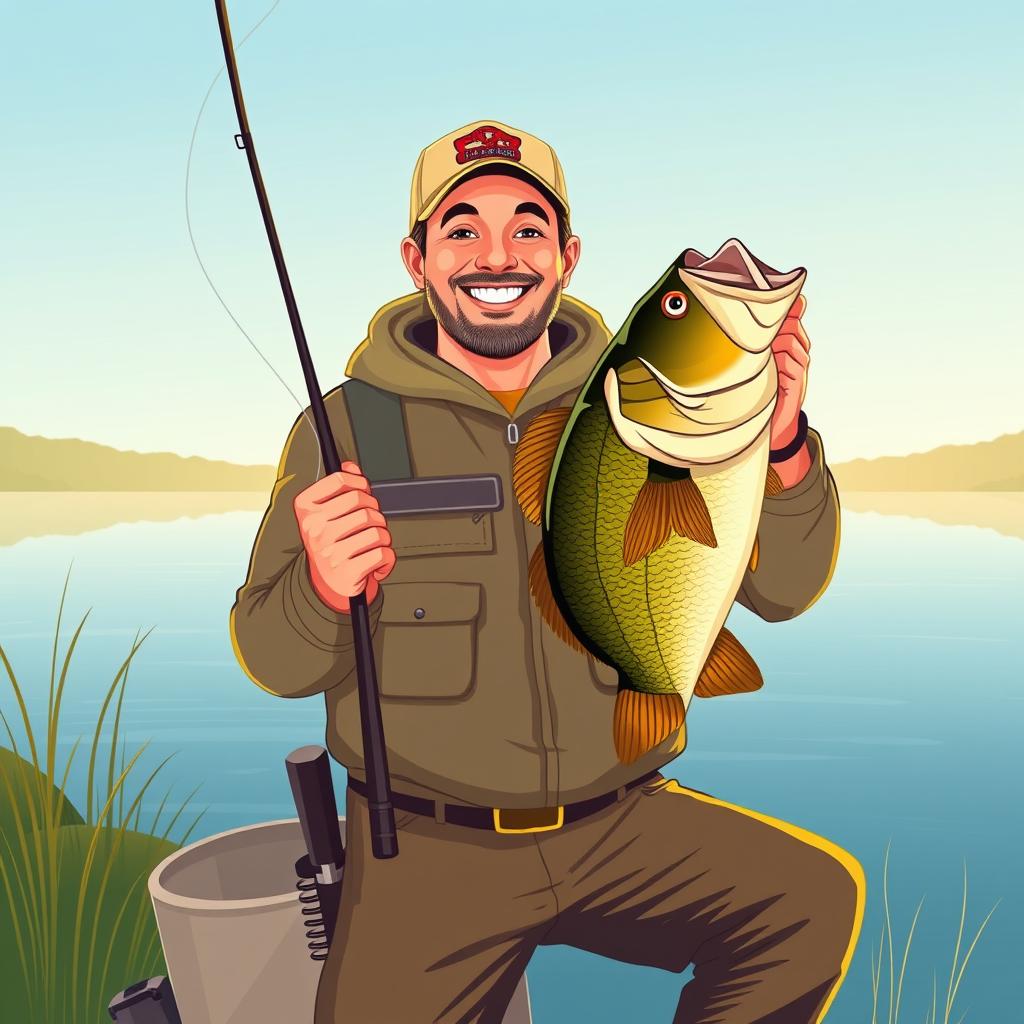
Largemouth bass have earned their reputation as America’s favorite game fish for several compelling reasons. These freshwater bass are abundant across the United States, from small farm ponds to large lakes and slow-moving rivers. Unlike some fish species that require specialized techniques or expensive gear, bass respond well to simple presentations and basic equipment.
Bass are aggressive feeders with big appetites, making them more likely to bite your bait compared to finicky species. They’re also visual predators, meaning they’ll often strike lures that look appealing – a trait that works in your favor as you learn different fishing techniques.
- Size Range: Typically 1-5 pounds, with trophy fish reaching 10+ pounds
- Fight Quality: Known for jumping and strong runs when hooked
- Availability: Found in 48 states, year-round fishing opportunities
- Feeding Habits: Active predators that eat various baits and lures
Understanding Bass Behavior
Bass fishing success starts with understanding how these largemouth bass think and behave. Like all predators, bass are opportunistic feeders that position themselves where food is abundant and easily accessible. They prefer areas with cover – fallen trees, rock piles, weed beds, or docks – where they can ambush unsuspecting prey.
Water temperature significantly affects bass activity. In spring (60-70°F), bass move shallow to spawn and become very aggressive. Summer finds them seeking cooler, deeper water during midday heat. Fall triggers a feeding frenzy as they prepare for winter, while winter slows their metabolism considerably.
Best Locations to Find Bass
Successful bass fishing begins with finding the right spots. Look for areas that combine three elements: cover, food, and comfortable water temperature. Points extending into the water, creek channels, shallow flats adjacent to deeper water, and areas with submerged vegetation are all prime bass real estate.
Essential Bass Fishing Gear for Beginners
Starting bass fishing doesn’t require a massive investment in gear. A few well-chosen pieces of equipment will serve you better than a tackle box stuffed with unused lures. Focus on versatile options that work in multiple situations rather than highly specialized gear.
Rod and Reel Setup
A 7-foot medium or medium-heavy spinning rod paired with a quality spinning reel is perfect for beginner bass fishing. This setup handles everything from lightweight finesse baits to larger lures, providing the versatility new anglers need while learning different techniques.
- Rod Action: Medium to medium-heavy for good sensitivity and hook-setting power
- Reel Size: 3000-4000 spinning reel with smooth drag
- Line: 12-15lb monofilament or fluorocarbon for most situations
- Budget: Expect to spend $60-120 for a reliable rod and reel combo
Must-Have Bass Lures for Beginners
While bass will eat almost anything that moves, certain lures consistently produce results for new anglers. Start with these proven options before expanding your tackle collection:
🏆 Plastic Worms — The Ultimate Beginner Bait
Simple to rig, inexpensive, and incredibly effective. Texas-rigged 6-inch worms in natural colors catch bass anywhere they swim.
⭐ Spinnerbaits — The Easiest Lure to Use
Cast and retrieve at steady speed. The flash and vibration attract bass, and they’re relatively snag-resistant for fishing around cover.
🎯 Crankbaits — Covering Water Quickly
These diving lures allow you to search large areas efficiently while triggering reaction strikes from aggressive bass.
Basic Bass Fishing Techniques
Mastering a few fundamental techniques will put more bass in your boat than knowing dozens of advanced methods. Start with these beginner-friendly approaches that consistently catch large mouth bass across various conditions.
Texas Rig Plastic Worm
This technique accounts for more bass than any other single method. Thread a plastic worm onto a weighted hook so the hook point is hidden in the bait. This presentation looks natural and slides through cover without snagging.
Cast near cover, let the worm sink to the bottom, then slowly drag it along with gentle rod movements. When you feel weight or the line moves sideways, set the hook firmly.
Spinnerbait Retrieve
Spinnerbaits are perfect for beginner bass fishing because they’re nearly impossible to fish incorrectly. Cast beyond your target area, let the lure sink briefly, then retrieve at a steady pace that keeps the blades spinning.
Vary your retrieve speed until you find what bass prefer that day. Sometimes a fast retrieve triggers strikes, while other times a slow, steady retrieve works better.
Common Beginner Mistakes to Avoid
Learning from others’ mistakes accelerates your bass fishing success. These common errors trip up many new bass anglers, but they’re easily avoided with awareness:
- Moving Too Fast: Bass often follow lures before striking. Slow down your retrieve and give them time to commit.
- Poor Hook Sets: Bass have bony mouths. Set the hook with authority, not gentle tugs.
- Ignoring Cover: Bass live around structure. Fish your lures close to cover, not in open water.
- Wrong Line Size: Too light line breaks off big bass; too heavy line reduces bites.
Pros and Cons of Bass Fishing
Widely Available
Found in most freshwater bodies across America, ensuring fishing opportunities near home.
Exciting Fight
Bass jump and make strong runs, providing thrilling battles even from smaller fish.
Year-Round Fishing
Bass can be caught in all seasons, though techniques and locations change.
Can Be Challenging
Bass are smart predators that can become selective, especially in heavily fished waters.
Gear Investment
Quality bass fishing equipment costs more than basic panfish gear, though it lasts longer.
Frequently Asked Questions
What’s the best time of year for beginner bass fishing?
Spring (April-June) offers the best combination of active fish and predictable patterns. Bass move shallow to spawn, making them easier to locate and catch with simple techniques.
How big do largemouth bass typically get?
Most largemouth bass range from 1-5 pounds, with 2-3 pound fish being common. Trophy bass over 8 pounds are rare but possible in good waters with proper management.
What’s the easiest bass lure for absolute beginners?
Spinnerbaits are nearly foolproof for beginners. Simply cast and retrieve at a steady pace. The flash and vibration attract bass, and they’re resistant to snags in cover.
Do I need a boat for bass fishing?
No, many excellent bass fishing opportunities exist from shore. Ponds, small lakes, and river banks can be very productive for bank anglers using the right techniques.
Your First Bass Fishing Trip
Success on your first bass fishing adventure starts with choosing the right location and time. Small ponds and lakes often provide better beginner experiences than large, complex waterways. Look for water with visible cover like fallen trees, docks, or weed beds where bass are likely to concentrate.
Start simple with one or two lure types rather than overwhelming yourself with options. A few plastic worms and a spinnerbait will catch bass anywhere they swim. Focus on learning these presentations thoroughly rather than constantly switching between different techniques.
Remember that bass fishing is as much about relaxation and enjoying nature as it is about catching fish. Take time to observe your surroundings, watch for wildlife, and appreciate being outdoors. Some days the fish cooperate, other days they don’t – but every day on the water teaches you something new.