Most beginner fishing mistakes are not dramatic. They are small things: casting too far, using too much bait, changing spots every few minutes, or fishing so fast that the bait never has time to work.
The good news is that small mistakes usually have small fixes. You do not need fancy gear or expert secrets to improve. You just need a calmer routine, a simple setup, and a few checks before your line hits the water.
Why Beginner Fishing Mistakes Matter
Fishing is supposed to feel relaxing, but beginner fishing mistakes can make it feel confusing. One tangle leads to another. A missed bite feels like bad luck. Then the beginner starts changing bait, moving spots, and second-guessing everything at once.
That is when fishing gets noisy in your head. The better approach is simple: notice the mistake, make one adjustment, and keep fishing. If you are still building confidence with easy methods, ReelHow has a helpful guide to bobber fishing for beginners, which pairs nicely with the fixes below.
Start With a Simple Setup
The first common mistake is starting with too much gear. A beginner does not need five rods, six lure boxes, and a pile of complicated rigs. Too many choices make it harder to learn what actually worked.
Keep the First Rig Boring on Purpose
For most local ponds, docks, and easy bank spots, start with one dependable rig: a small hook, a bobber, a split shot, and a worm or similar bait. If you prefer lures, choose one small spinner or jig and fish it slowly before switching.
- Use one main rod: this keeps your attention on bite signals instead of managing clutter.
- Carry fewer baits: one live bait and one simple lure are enough for a short beginner trip.
- Match the hook to the fish: small hooks catch panfish and still tempt bigger fish nearby.
- Check the rig often: make sure the bait is still on, the line is not wrapped, and the hook point is clear.
The National Park Service explains that fishing rules help protect fish populations and can vary by park, state, and water. That is a useful reminder for any beginner trip: check posted signs and current local regulations before keeping fish or using unfamiliar bait. Their page on fishing in national parks is a helpful outside reference before trying a new public spot.
What to Check First Before You Cast
Before you make the first cast, pause for one quiet minute. Look at the water, the bank, the wind, and your line. Many beginner fishing mistakes happen because the angler starts casting before noticing obvious problems.
Scan the Area Like a Calm Angler
Ask yourself a few simple questions. Is the bank slick? Is the wind blowing your line into weeds? Are there tree limbs behind you? Is the bobber set too deep for shallow water? That little pause can save you from tangles, lost hooks, and frustration.
How to Fix Beginner Fishing Mistakes Step by Step
Here is a simple way to troubleshoot when the fishing feels off. Work through these steps in order instead of changing everything at once.
- Check your bait: make sure it is fresh, secure, and not too large for the hook.
- Shorten your cast: many fish hold close to docks, weeds, shade, and the bank.
- Slow down: give the bait time to settle before reeling in or recasting.
- Adjust depth: with a bobber, move the bait a little higher or lower until fish respond.
- Watch the line: tiny twitches, sideways movement, or a slowly sinking bobber can all mean a bite.
- Move once with purpose: if nothing happens after a fair try, shift to nearby cover instead of wandering all day.
If live bait is part of your plan, review the basics before you go. This ReelHow guide to using worms, crickets, and minnows explains simple bait choices without making the setup feel complicated.
Common Fishing Mistakes to Avoid
The most common mistake is fishing too fast. Beginners often cast, wait 20 seconds, reel in, change bait, and cast somewhere else. Fish may need a little time to find the bait, especially in cooler water or busy public ponds.
Another mistake is setting the hook too hard. A smooth lift of the rod is usually better than a giant swing, especially with panfish and small bass. Hard hooksets can pull bait away, break light line, or send a small fish flying.
A third mistake is ignoring comfort. If your chair is awkward, the sun is in your eyes, or your feet feel unsafe, you will rush. Choose shade, stable footing, and a spot where you can relax enough to notice the details.
Pros and Cons of Fixing One Mistake at a Time
Less Frustration
Changing one thing at a time helps you see what actually improved the bite or reduced tangles.
Better Learning
You build habits you can repeat on the next trip instead of depending on luck.
More Confidence
Small wins make fishing feel manageable, especially for older beginners or family outings.
Requires Patience
It can feel tempting to change everything when the fish are quiet, but that makes learning harder.
Not Every Day Is Easy
Weather, water clarity, and fish mood still matter, even when your technique is improving.
A Simple Checklist for Your Next Trip
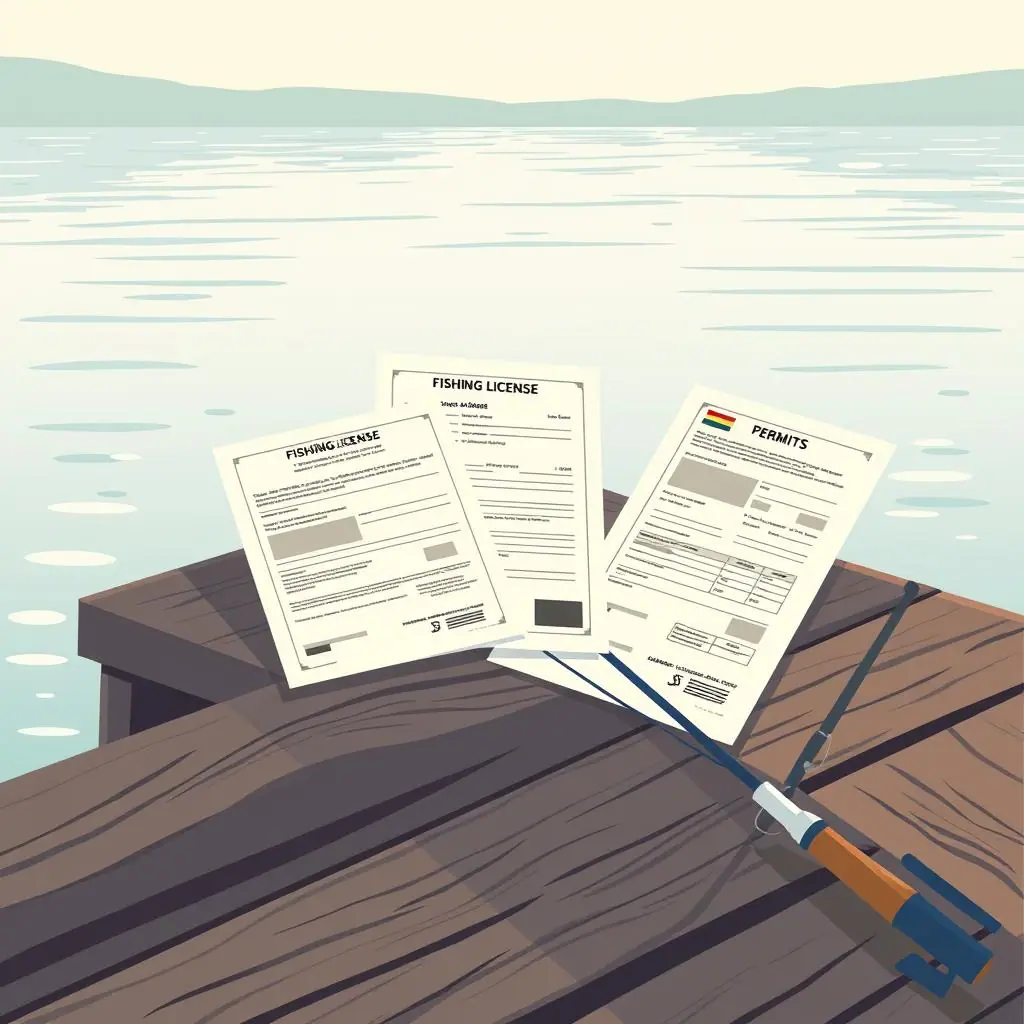
- Is my license and local rule check handled? Confirm rules before keeping fish or using unfamiliar bait.
- Is my setup simple? One main rig teaches more than five half-used options.
- Is my bait the right size? Smaller bait often catches more beginner-friendly fish.
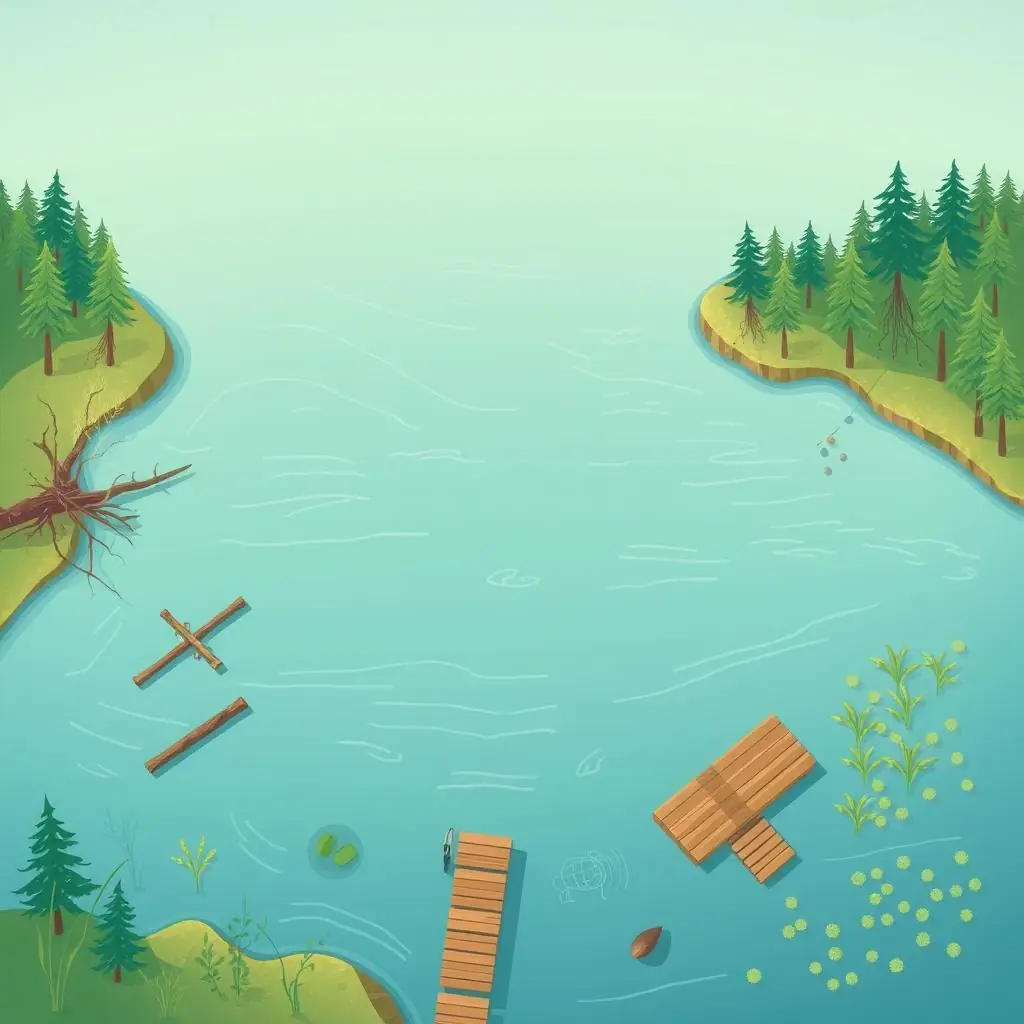
- Am I casting to reachable cover? Shade, weeds, dock posts, and edges are better than random open water.
- Am I waiting long enough? Give the spot a fair chance before moving.
- Can I fish comfortably? Safe footing, shade, and a relaxed pace help you notice bites.
When to Get Extra Help
Ask for help when a rule, rig, or safety situation is unclear. A local tackle shop, state fish and wildlife website, posted sign, or experienced friend can save you from guessing.
Be especially careful with regulations, private property, size limits, and bait rules. Those details can change by state, season, and specific water. When in doubt, verify first and fish with peace of mind.
Frequently Asked Questions
What beginner fishing mistake should I check first?
Check your bait and hook first. Make sure the bait is still on, the hook is not buried too deeply, and the bait is small enough for the fish you are trying to catch.
How often should I change spots?
Give a promising beginner spot a fair try before moving. If you have checked bait, depth, and casting angle for 20 to 30 minutes with no signs of life, then move to nearby cover.
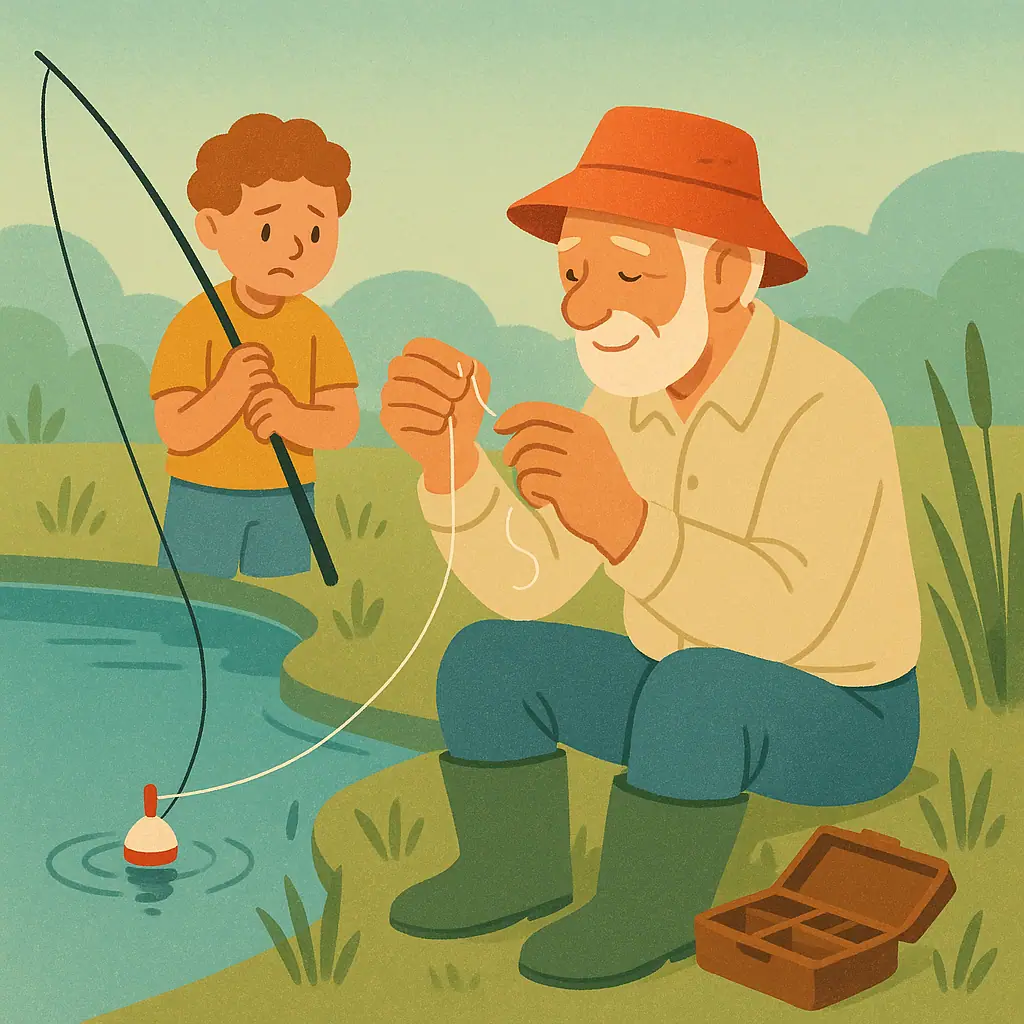
What should I do if I keep getting tangled?
Shorten your cast, use less weight, and check for branches or weeds behind you. Most tangles come from rushing, casting too hard, or fishing too close to heavy cover.
Can I undo a bad fishing choice during the trip?
Usually, yes. You can trim bait smaller, change depth, move a few steps, or simplify your rig. Just make one change at a time so you know what helped.
Final Thoughts
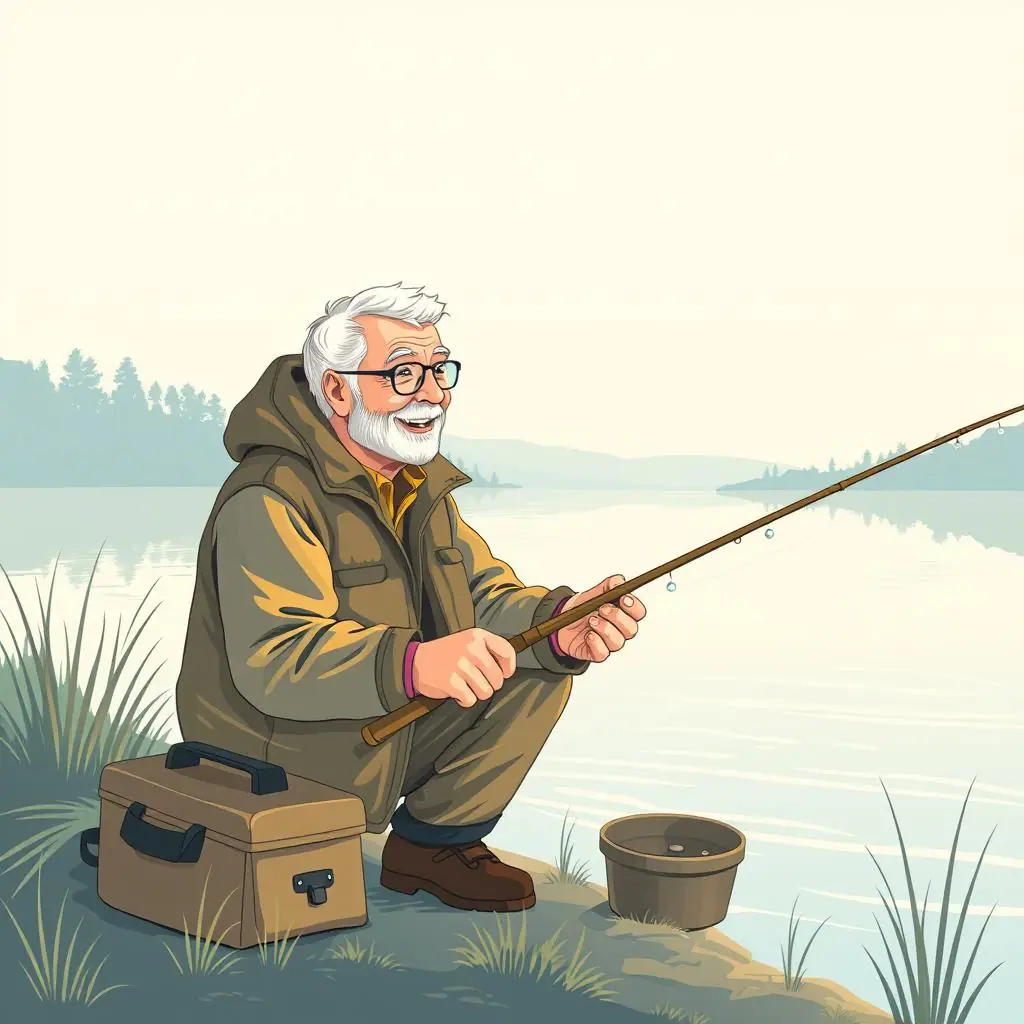
Beginner fishing mistakes are part of learning. Every good angler has tangled line, used the wrong bait, missed bites, and moved too soon. The difference is that experienced anglers make small corrections instead of getting flustered.
On your next trip, keep the setup simple, pause before casting, and fix one thing at a time. That calm routine will help you catch more fish and enjoy the water even when the bite is slow.