
Finding great fishing locations doesn’t require insider knowledge or expensive guides. The truth is, excellent fishing spots exist within 30 minutes of almost every town in America — you just need to know where to look. It’s like finding a good restaurant in a new city; once you learn the signs, productive waters become obvious.
Whether you’re seeking a peaceful morning catching bluegill or hoping to land your first bass, understanding how to identify promising fishing locations is a skill that will serve you for years. Let’s explore the proven methods for discovering your new favorite fishing holes.
What Makes a Great Fishing Spot?
Before we dive into where to fish, it’s important to understand what fish need to thrive. Think of fish like any other animal — they need food, shelter, comfortable temperatures, and oxygen. The best fishing spots provide all four elements in abundance.
Productive waters share common characteristics:
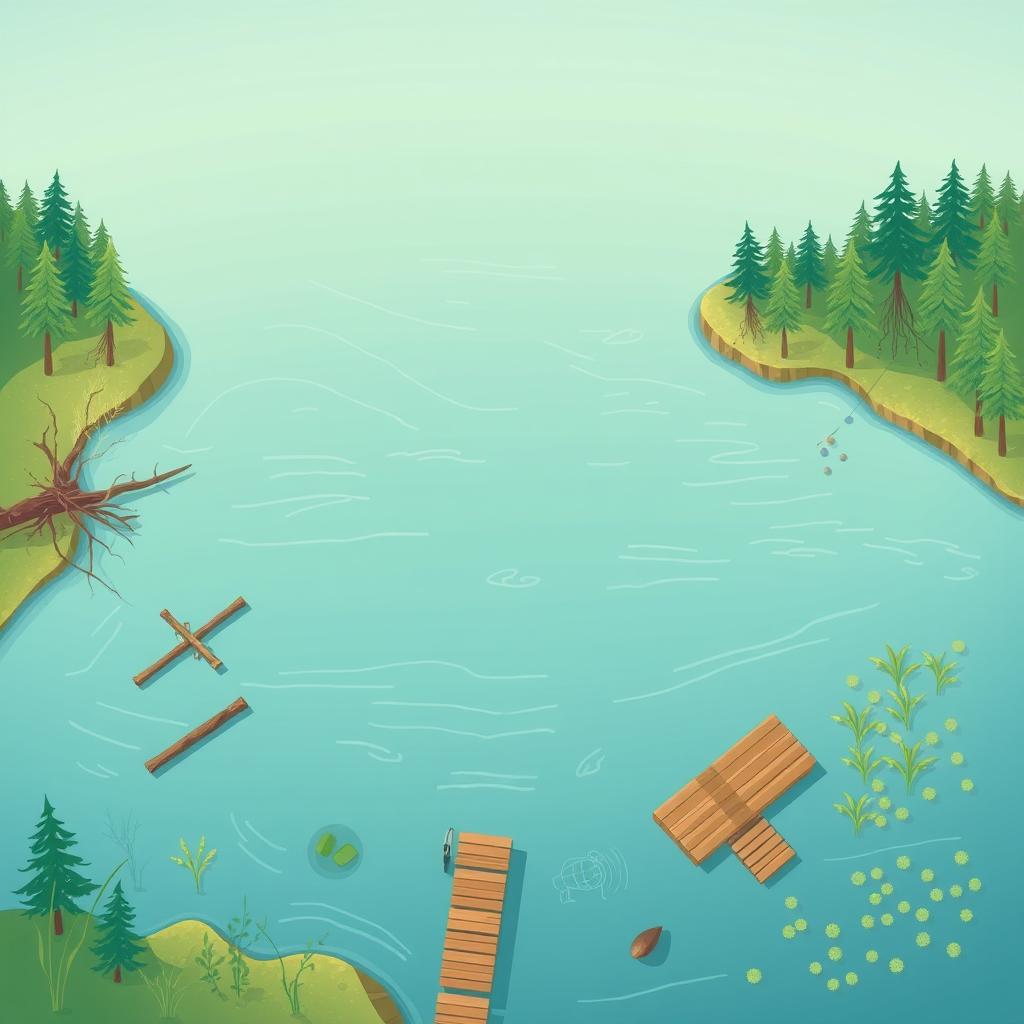
- Structure: Fallen trees, rocks, docks, or weed beds where fish hide and ambush prey
- Depth Changes: Areas where shallow water meets deep water quickly
- Current or Moving Water: Brings oxygen and food to fish
- Cover: Vegetation, overhanging branches, or underwater obstacles
- Food Sources: Insects, smaller fish, or aquatic plants that attract hungry fish
Types of Water Bodies to Target
Different types of waters offer different advantages for beginning anglers:
Small Lakes and Ponds
Perfect starting points for new anglers. Small waters are easier to read, fish populations are usually healthy, and you can fish the entire area in one day.
✅ Advantages: Easy to learn, usually accessible from shore, fish are often less pressured
⚠️ Considerations: May have limited species variety, can get crowded on weekends
Large Lakes
Offer more variety and bigger fish, but require more skill to locate productive areas. Great once you’ve mastered the basics.
✅ Advantages: Diverse fish species, often less crowded, trophy potential
⚠️ Considerations: Can be overwhelming for beginners, weather affects fishing more
Rivers and Streams
Moving water provides constant oxygen and brings food to fish. Learn to read current and you’ll find consistent action.
✅ Advantages: Fish are often active, current concentrates fish in predictable spots
⚠️ Considerations: Requires different techniques, can be affected by rainfall and water levels
How to Find Local Fishing Locations
The internet has revolutionized fishing spot research. Here are the most effective methods for discovering great fishing locations near you:
Online Resources
🗺️ State Fish & Wildlife Websites
Your state’s fish and wildlife agency website is gold for finding fishing locations. They often provide detailed lake maps, species information, and fishing reports.
📱 Fishing Apps
Apps like Fishbrain, AnglerUp, and iAngler crowdsource fishing reports from other anglers. See what people are catching and where.
💻 Google Earth & Maps
Satellite images reveal water bodies you might never notice from the road. Look for blue areas near you, then investigate further.
Local Intelligence
🎣 Bait and Tackle Shops
Local bait shops are information goldmines. Shop owners know every productive lake within 50 miles and are usually happy to share advice with new anglers.
🏞️ State Parks
Most state parks with lakes offer good fishing. They’re well-maintained, safe, and usually stocked regularly with fish.
👥 Local Fishing Groups
Facebook groups, fishing clubs, and online forums connect you with experienced local anglers willing to share tips.
Reading Water: Spotting Productive Areas
Once you’ve found a body of water, the next skill is identifying the most productive areas to fish. Here’s what to look for:
🌿 Weed Lines and Vegetation
Fish use aquatic plants for cover and food. Cast along the edges where vegetation meets open water.
🪨 Rocky Areas and Drop-offs
Rocks provide cover and attract the small creatures fish eat. Drop-offs (where shallow water suddenly gets deep) are highway systems for fish movement.
🌉 Man-made Structure
Docks, bridges, culverts, and piers attract fish by providing shade and structure. These are often the most reliable spots.
🌊 Moving Water
Creek mouths, dam spillways, and areas with current bring food and oxygen. Fish often congregate in these areas.
🌳 Fallen Trees and Brush
Submerged logs and brush piles are fish condos. They provide cover from predators and ambush points for feeding.
Timing: When to Fish Your Spots
Even the best fishing spots won’t produce if you fish them at the wrong times. Fish are most active during:
- Early Morning: Dawn to 2 hours after sunrise
- Late Evening: 2 hours before sunset to dusk
- Overcast Days: Cloud cover makes fish more active all day
- Before Weather Changes: Fish often feed heavily before storms
Avoid fishing during:
- Bright, sunny middays (fish seek deeper, cooler water)
- High pressure systems (fish become less active)
- Major weather fronts (immediately after storms pass)
Pros and Cons of Different Location Types
Easy Access
No permission needed, often have facilities like restrooms and parking.
Well Stocked
State agencies regularly stock public waters with fish.
Information Available
Detailed maps and species information usually provided.
Fishing Pressure
Popular spots can be crowded, especially weekends.
Less Trophy Potential
Heavy fishing pressure means fewer large fish.
Safety and Etiquette
As you explore new fishing locations, keep these important points in mind:
- Check Access Rights: Ensure you’re fishing legally accessible water
- Respect Private Property: Always ask permission before crossing private land
- Practice Leave No Trace: Pack out all trash, including fishing line
- Share the Water: Be courteous to other anglers and maintain respectful distances
- Follow Regulations: Know local rules about limits, seasons, and methods
Frequently Asked Questions
How close to other anglers should I fish?
As a general rule, stay at least 50-100 yards from other anglers unless the area is specifically designed for close-quarters fishing like a fishing pier.
Is it better to fish familiar spots or explore new ones?
Balance both approaches. Fish familiar spots when you want to catch fish reliably, but dedicate some time to exploring new locations to expand your options.
What if I can’t find fish in a spot that looks good?
Great-looking spots sometimes don’t produce. Try different times of day, various baits, or different techniques before giving up on a location entirely.
Should I keep successful spots secret?
Most anglers appreciate sharing general areas while keeping specific productive spots somewhat private. Build relationships with other anglers through respectful information exchange.
Final Thoughts
Finding great fishing locations is half the joy of angling. Each new spot you discover teaches you more about fish behavior and water reading skills that will make you a better angler everywhere you fish.
Start with easily accessible public waters near your home, then gradually expand your range as you gain experience and confidence. Remember, even the most famous fishing destinations started as someone’s local fishing hole.
The best fishing spot is often the one you’re actively fishing, so don’t get caught up in constantly searching for the “perfect” location. Spend time on the water, observe what’s happening around you, and trust that consistency and patience will lead to success.
Your next favorite fishing spot might be closer than you think — it’s time to go find it!