
One of the first questions I get from new anglers is, “When is the best time to fish?” And honestly, it’s one of the most important things to understand before heading out. Showing up at the wrong time can mean a long, quiet day with an empty bucket. Pick the right window, and you’ll wonder why the fish are hitting so fast.
The short answer: early morning and late evening are when most freshwater fish are most active. But there’s more to it than that — and understanding fish feeding behavior will make every trip more productive.
Why Timing Matters for Fishing Success
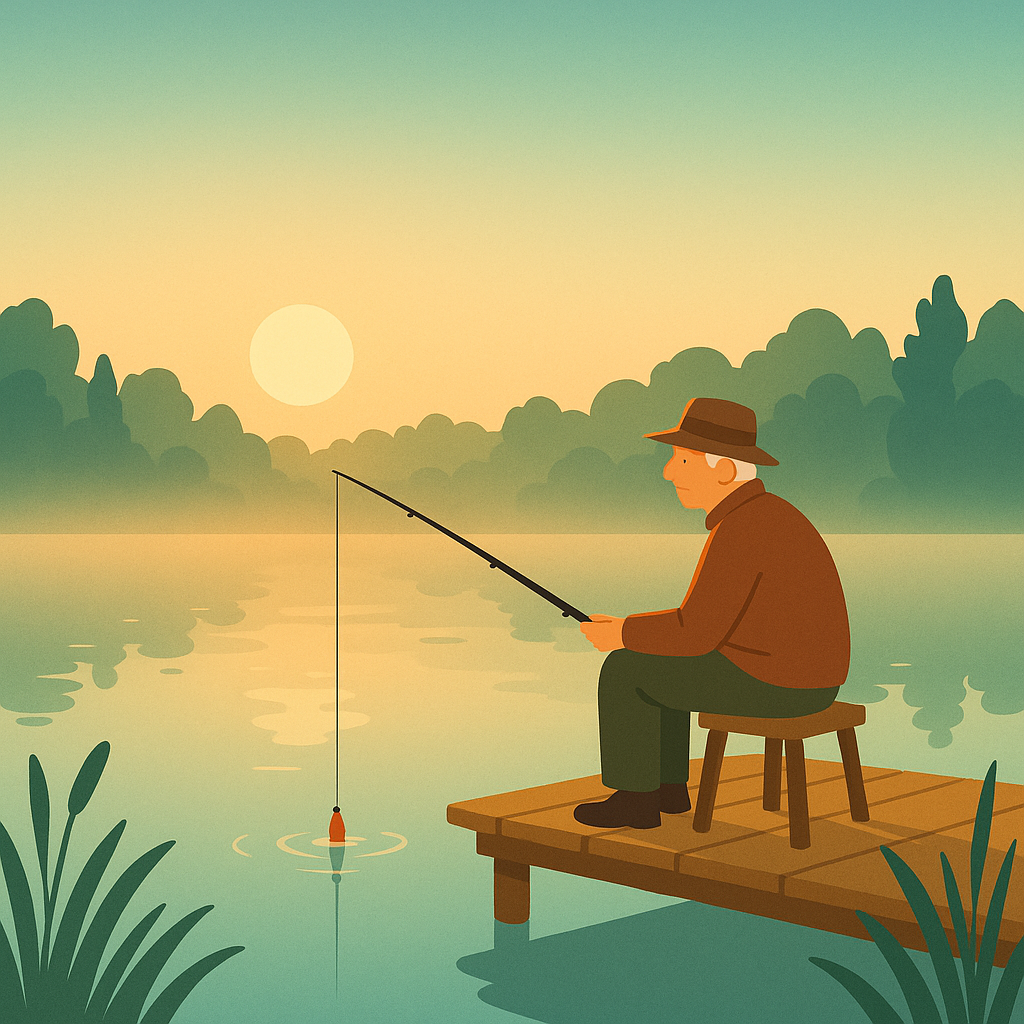
Fish are cold-blooded creatures, which means water temperature directly controls their metabolism and activity level. When water temperatures rise during midday, many species slow down and head for deeper, cooler water. When temperatures moderate — at dawn and dusk — fish move into the shallows to feed aggressively.
Light levels play a big role too. Most freshwater fish have excellent vision but prefer low-light conditions for feeding. Reduced light means less predator pressure from birds and other threats, making fish more willing to venture out and chase food.
Morning Fishing: The Golden Window
Dawn to about two hours after sunrise is the most consistently productive time to fish. Here’s why it works so well: overnight, the water has cooled down, oxygen levels are high, and baitfish have been active near the surface. Predator fish like bass, trout, and crappie have been feeding through the night and are looking for one last meal before the sun gets bright.
During morning hours you’ll often find fish in shallower water — near weed edges, along rocky shorelines, and around fallen logs. They’re actively chasing food, which means they’ll hit your bait more aggressively.
- Best species to target: Largemouth bass, bluegill, crappie, and trout are especially active at first light.
- Best baits: Surface lures and topwater plugs work great at first light. Switch to soft plastics or live bait as the sun rises.
- Location tip: Focus on shallows, creek mouths, and areas where shade meets open water.
Evening Fishing: The Second Best Window
The two hours before sunset are the second most productive window of the day. As afternoon heat fades and shadows lengthen, fish begin moving from deep water back into shallower feeding zones. This evening feeding period can be even more intense than the morning bite — especially in summer when midday temperatures are brutal.
Evening fishing also has the advantage of being more comfortable for anglers. You’ve had a full day, the light is beautiful, and there’s something peaceful about casting into golden sunset water. If you can only get out once a week, an evening trip in spring or summer rarely disappoints.
Midday Fishing: Worth Trying in the Right Seasons
Midday fishing — roughly 10 AM to 3 PM — is typically the slowest period in summer. The sun is high, water temperatures peak, and fish retreat to cooler, deeper zones. You’ll still catch fish, but it requires more effort and different tactics.
The exception is spring and fall, when water temperatures stay cool. During these seasons, midday sun actually warms the water to comfortable levels, making afternoon fishing productive. Trout fishing in particular can be excellent on cool fall afternoons when the sun is shining.
- Spring and fall midday: Fish shallow, sunny banks where water warms first.
- Summer midday: Go deep. Target structure like bridge pilings, drop-offs, and submerged timber.
- Catfish exception: Catfish are often active midday because they rely on smell more than sight.
Night Fishing: Underrated and Effective
Many beginners overlook night fishing, but it can be remarkably productive — especially in summer. Catfish, bass, and walleye are natural night hunters with excellent low-light vision. Without boat traffic and swimming noise, fish move freely into shallow areas and feed with confidence.
Night fishing requires some preparation — a reliable headlamp, reflective or high-visibility line, and a simple setup are essential. Stick to familiar spots so you’re not navigating new terrain in the dark. Tell someone where you’ll be and when you plan to return.
Pros and Cons of Timing Your Fishing Trips
Peak fish activity
Fish are well-rested and actively feeding after the cooler night hours.
Fewer crowds on the water
Popular fishing spots are quiet and peaceful at sunrise.
Pleasant temperatures
Morning air is cool and comfortable, especially during summer months.
Early wake-up required
Being on the water by sunrise means a 4–5 AM alarm for many spots.
Short productive window
The active morning bite often wraps up within 2–3 hours as the sun gets higher.
Frequently Asked Questions About Best Fishing Times
What is the single best time to fish?
The hour just after sunrise is widely considered the most productive single fishing window. Fish are shallow, hungry, and the light is still low enough for comfortable feeding.
Does fishing time matter more than location?
Both matter significantly, but timing can make even an average spot produce well. A great location at the wrong time often performs worse than a decent spot during peak feeding hours.
Is fishing better in the morning or evening?
Morning is generally more consistent, but evening can be more productive in summer when afternoon heat pushes fish deep. Try both and see what works at your local spot.
Can you catch fish in the middle of the day?
Yes, especially in spring and fall when water temperatures are moderate. In summer, target deep structure during midday rather than shallow water.
Final Thoughts
Understanding the best fishing times transforms you from someone who “just goes fishing” to an angler who consistently catches fish. The simple rule: be on the water at first light or in the two hours before sunset, and you’ll almost always find active fish willing to bite.
Experiment with different times at your local spots, keep a simple log, and you’ll quickly discover the patterns that work in your area. The fish are out there — you just need to show up when they’re hungry.