
If you’ve ever watched a fishing movie, you’ve probably seen someone sitting peacefully by a lake, watching a red and white bobber floating on the water’s surface. That iconic image isn’t just Hollywood magic — bobber fishing is genuinely one of the most effective and beginner-friendly techniques you can learn.
Whether you call them bobbers, floats, or strike indicators, these simple devices serve as your underwater eyes, telling you exactly when a fish takes your bait. For anglers over 50 who want to enjoy a relaxing day on the water without complicated techniques, bobber fishing offers the perfect combination of simplicity and success.
In this guide, we’ll walk you through everything you need to know about float fishing, from choosing the right bobber to reading those telltale signs that a fish is on your line.
What Is Bobber Fishing?
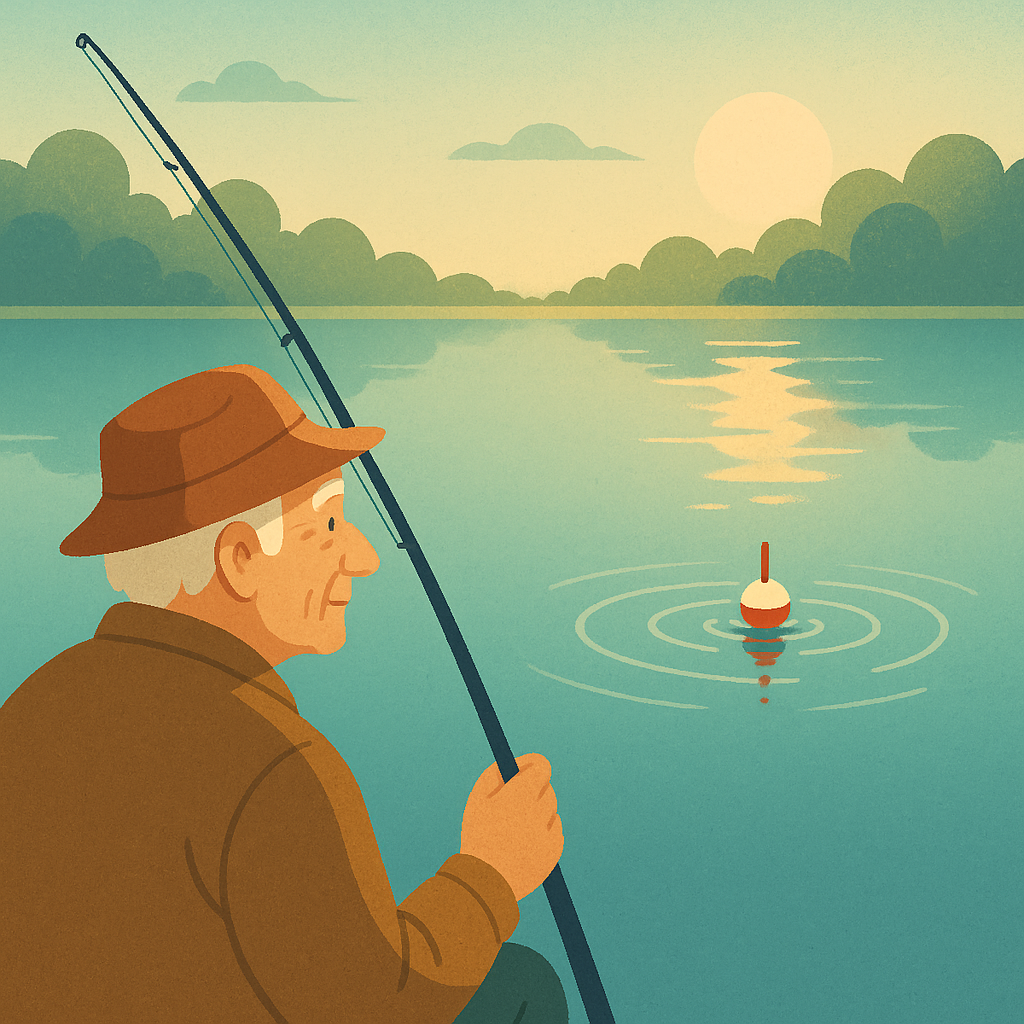
Bobber fishing, also known as float fishing, is a technique where you attach a buoyant device to your fishing line to keep your bait suspended at a specific depth. The bobber floats on the surface while your baited hook dangles below at whatever depth you’ve set.
Think of a bobber like a doorbell for fishing — when a fish grabs your bait, the bobber moves, dips, or disappears entirely, alerting you to set the hook. This visual indicator makes it perfect for beginners who might miss the subtle tugs that experienced anglers feel through their rod.
There are several types of fishing floats available:
- Fixed bobbers: Attach directly to your line at a set distance from your hook
- Slip bobbers: Slide freely on your line, stopped by a bobber stop above
- Spring bobbers: Clip onto your line and can be easily moved
- Pencil floats: Thin, sensitive floats for detecting light bites
Why Bobber Fishing Works So Well
There’s a reason bobber fishing has been around for centuries and remains popular with anglers of all skill levels. It solves several common fishing challenges in one simple setup.
First, bobber fishing keeps your bait in the strike zone. Fish often feed at specific depths depending on water temperature, oxygen levels, and food sources. With a bobber, you can present your bait exactly where the fish are, rather than having it sink to the bottom or drift at the wrong depth.
Second, the visual aspect eliminates guesswork. Instead of wondering if that was a fish or just debris bumping your line, you’ll see clear, unmistakable signals when something takes your bait. This immediate feedback helps new anglers build confidence and improve their hook-setting timing.
Setting Up Your Bobber Rig
Setting up a basic bobber rig is surprisingly simple, which is part of what makes this technique so appealing for beginners and experienced anglers alike.
Basic Fixed Bobber Setup
For your first bobber rig, start with a fixed bobber — the classic red and white plastic float that clips or slides onto your line. Here’s the step-by-step process:
Start by threading your line through your rod guides and tying on a hook sized appropriately for your target fish — size 6 to 10 works well for panfish like bluegill, while size 2 to 1/0 handles larger fish like bass.
Add a small split shot sinker about 12-18 inches above your hook. This weight helps cast your rig and keeps your bait hanging naturally below the bobber. The amount of weight depends on your bobber’s buoyancy — you want just enough to make the bobber sit upright with about two-thirds of it above water.
Attach your bobber to the line at whatever depth you want to fish. If you’re fishing a 6-foot deep area and want your bait 2 feet off the bottom, place your bobber 4 feet above your hook.
Advanced Slip Bobber Setup
Once you’re comfortable with fixed bobbers, slip bobber fishing opens up deeper water opportunities. A slip bobber rig allows you to fish any depth without the awkwardness of casting a long, fixed rig.
Thread a bobber stop onto your line first — this small piece of thread or rubber tube determines your fishing depth. Slide on a small bead (to protect the knot), then your slip bobber, followed by your weight and hook setup as before.
The beauty of a slip bobber is that during the cast, everything slides down toward your weight, making casting manageable. Once it hits the water, the bobber stop determines where the float settles, and your bait hangs at your chosen depth.
Reading Your Bobber
Understanding bobber movement is crucial for successful fishing. Different movements signal different things happening below the surface.
A slight wiggle or twitch usually means a fish is investigating your bait. Don’t set the hook yet — wait for more definitive action. This is often smaller fish bumping the bait or a larger fish being cautious.
Steady movement in one direction typically indicates a fish has taken your bait and is swimming away with it. This is your cue to set the hook with a firm, upward sweep of your rod.
Complete disappearance of the bobber means a fish has taken your bait down. Set the hook immediately when you see this — don’t wait for the bobber to come back up.
Bobber popping up higher than normal can indicate a fish has taken your bait and is swimming toward the surface or toward you. Reel in slack line quickly and set the hook.
- Wind movement: Learn to distinguish wind-caused bobber movement from fish activity
- Current drift: In moving water, natural drift is normal — look for movement against the current
- False alarms: Turtles, debris, and aquatic vegetation can move your bobber too
Best Baits for Bobber Fishing
The beauty of bobber fishing is its versatility with different baits. Both live and artificial baits work well, giving you options based on availability, regulations, and personal preference.
Live baits are often most effective because they provide natural movement, scent, and taste that fish find irresistible. Nightcrawlers and red worms work for almost any fish species. Crickets and grasshoppers are excellent for panfish and trout. Minnows attract predator fish like bass, pike, and walleye.
Prepared baits offer convenience and longer shelf life. PowerBait and similar synthetic baits work well for trout. Corn kernels, surprisingly, attract carp, catfish, and even some trout. Bread balls can be effective for various species, especially in areas where people feed waterfowl.
Small lures can also work with bobbers. Tiny jigs, grubs, and spinner rigs add action that attracts fish. The bobber keeps them at the right depth while the lure provides attracting movement.
Target Species for Bobber Fishing
Bobber fishing excels for a wide range of freshwater species, making it an versatile technique worth mastering.
Panfish like bluegill, crappie, and perch are perfect bobber fishing targets. They often feed in schools at consistent depths, and the visual nature of bobber fishing helps you stay on productive fish. Use smaller hooks (size 6-10) with worms, crickets, or small jigs.
Trout respond well to bobber presentations, especially in lakes and slower-moving streams. The key is keeping your bait off the bottom where it looks more natural. PowerBait, worms, and salmon eggs all work well under a bobber.
Bass can be caught on bobber rigs, particularly during spawning season when they’re in shallow water. Use larger baits like minnows or small crayfish, and be ready for aggressive strikes that can take your bobber completely underwater.
Pros and Cons of Bobber Fishing
Perfect for beginners
Visual strikes eliminate guesswork about when to set the hook.
Depth control
Present your bait exactly where fish are feeding.
Relaxing fishing
Watch your bobber while enjoying the peaceful surroundings.
Works in many situations
Effective from shore, boat, or dock in various water types.
Limited to certain depths
Fixed bobbers can be awkward for very deep water fishing.
Wind sensitivity
Strong winds can make reading bobber movement challenging.
Less versatile than other techniques
Not ideal for covering lots of water or active fishing styles.
Frequently Asked Questions
How deep should I fish with a bobber?
Start at half the water depth and adjust based on where fish are active. In 10 feet of water, try 5 feet deep first, then move shallower or deeper based on results.
What size bobber should I use?
Match your bobber size to your bait and fishing conditions. Smaller bobbers for light baits and calm water, larger bobbers for heavier baits or windy conditions.
Should I use a bobber with lures?
Yes! Bobbers work great with small jigs, spinners, and soft plastics. The float keeps your lure at the right depth while adding subtle action.
How do I keep my bobber from sliding on the line?
Use bobber stops (small rubber sleeves) above slip bobbers, or choose spring-loaded clip bobbers that grip your line securely.
Final Thoughts
Bobber fishing represents everything great about angling — it’s simple enough for absolute beginners yet effective enough that experienced anglers rely on it regularly. The visual nature of watching a bobber makes fishing more engaging and helps new anglers learn to read water and fish behavior.
Start with a basic fixed bobber setup using simple baits like worms or crickets. As your confidence grows, experiment with slip bobbers for deeper water and different bait presentations. Remember, the goal isn’t just catching fish — it’s enjoying peaceful time on the water while steadily improving your skills.
Next time you’re planning a fishing trip, pack a few bobbers in your tackle box. Whether you’re introducing grandchildren to fishing or looking for a relaxing way to spend an afternoon by the lake, bobber fishing offers that perfect combination of simplicity and success that makes angling so rewarding.