Carp fishing represents a unique challenge in freshwater angling—targeting fish that grow larger than most species, fight with surprising power, and demand more patience and strategy than luck. Unlike aggressive predators that chase flashy lures, carp are cautious bottom-feeders that prefer natural baits presented subtly near structure. The reward for this patience? A fish that can exceed 20 pounds, fight harder than bass twice its weight, and provide one of the most satisfying catches in freshwater fishing.
What makes carp especially appealing for beginners willing to invest a bit of effort is their widespread availability. Carp thrive in lakes, rivers, ponds, and canals across North America, often in waters where other game fish are scarce. They're also active year-round, with peak feeding periods during warm months. While carp fishing requires slightly more specialized tactics than catching panfish, the fundamentals are accessible to anyone willing to learn where carp feed, what they eat, and how to present bait naturally.
What Is Carp Fishing?
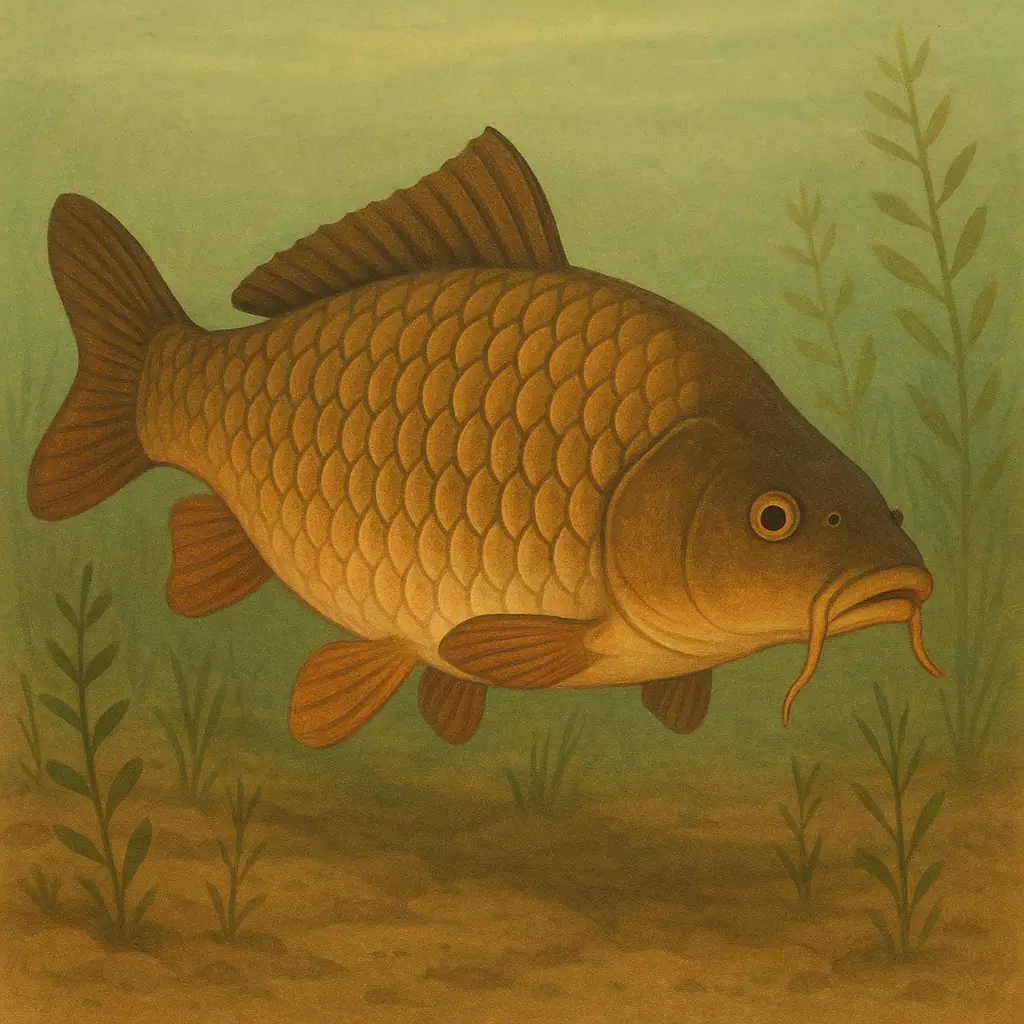
Carp fishing is the pursuit of Cyprinus carpio, a large freshwater fish originally from Europe and Asia but now widespread in North America. Common carp are distinguished by their bronze-gold scales, barbels (whisker-like appendages) near the mouth, and thick, muscular bodies. They typically range from 5 to 15 pounds, though trophy carp over 30 pounds are caught regularly in prime waters.
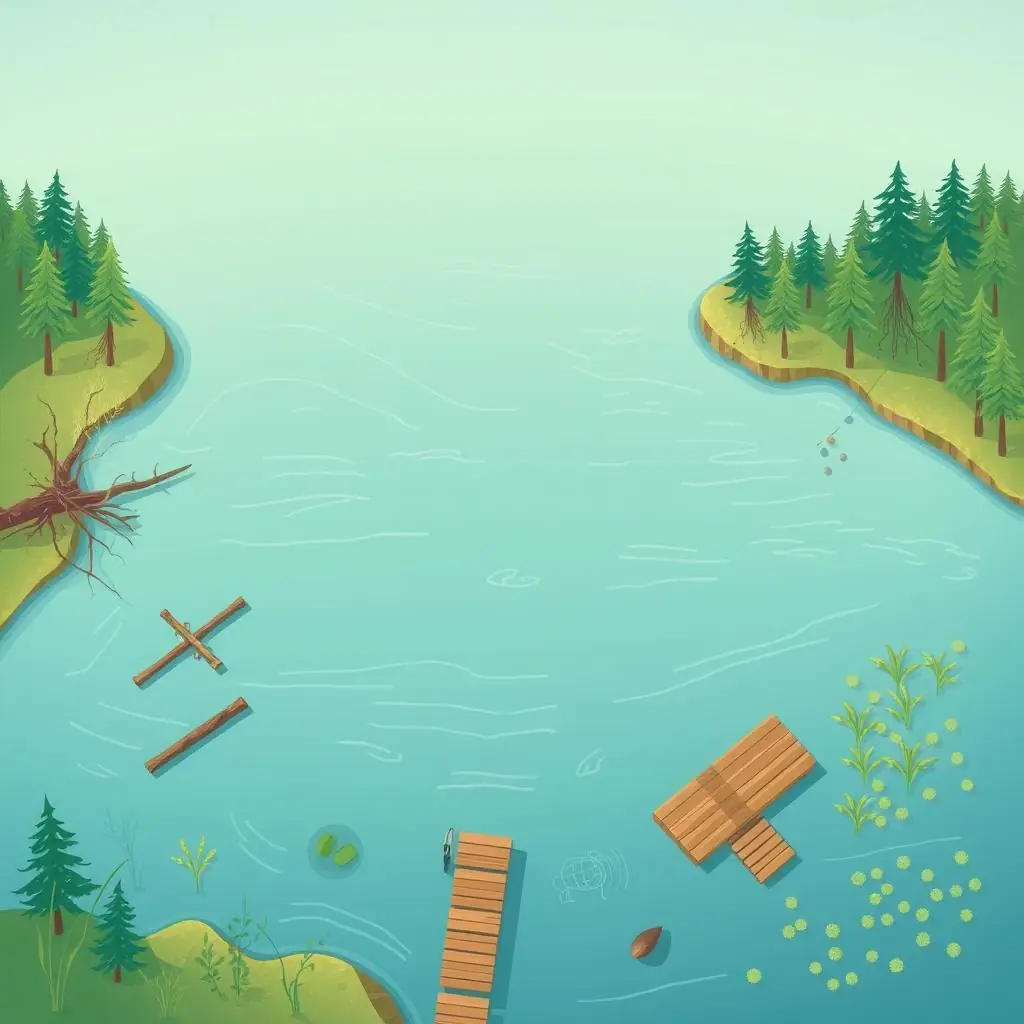
Carp are omnivorous bottom-feeders that sift through mud, gravel, and vegetation searching for aquatic insects, crustaceans, mollusks, and plant matter. They prefer shallow bays, weed beds, muddy bottoms, and areas near underwater structures during feeding periods (dawn, dusk, and overnight). Because carp are wary and easily spooked, success requires stealth, proper bait presentation, and understanding their feeding patterns.
Why Carp Fishing Is Worth the Effort
Beyond their size and strength, carp offer a fishing experience that rewards observation and strategy. Unlike species you can catch by simply casting and retrieving, carp demand that you think like the fish—finding their feeding zones, pre-baiting areas to build confidence, and using rigs that present bait naturally on the bottom. This problem-solving aspect attracts dedicated carp anglers worldwide.
Carp also provide year-round opportunities. While many game fish slow down in summer heat or winter cold, carp remain catchable in all seasons (though their activity levels vary). This consistency makes carp fishing a reliable option when other species are off the bite. Plus, carp are abundant in many waters where they're underutilized, meaning you often have productive fishing with minimal competition.
Best Techniques for Beginners
Carp fishing success centers on three beginner-friendly techniques that cover most situations:
- Ledgering (Bottom Fishing): The most popular carp method. Use a weight (lead) to anchor your baited hook on the bottom near feeding areas. Set your rod in a rod holder, attach a bite alarm or watch your rod tip, and wait for carp to find your bait. This passive approach works beautifully for patient anglers.
- Feeder Fishing: Similar to ledgering, but uses a cage-like feeder filled with groundbait (chum) that disperses in the water after casting. This attracts carp to your hook bait and can trigger feeding frenzies. Great for building confidence in new spots.
- Surface Fishing (Summer): When water warms and carp cruise near the surface, use floating baits like bread crusts or dog biscuits. Cast quietly ahead of cruising fish and wait for them to suck in your bait. This visual method is exciting but requires stealth and timing.
Most beginners start with ledgering because it requires minimal casting skill, allows you to fish multiple rods (where legal), and gives carp time to find and commit to your bait without pressure.
Choosing the Right Bait
Carp are opportunistic feeders with a surprisingly diverse diet. Both natural and prepared baits work, but presentation and scent matter more than flashy colors.
🏆 Sweetcorn — The Budget Champion
Canned corn is cheap, effective, and readily available. Its bright color, sweet scent, and soft texture make it irresistible to carp. Thread several kernels onto a hair rig (bait sits off the hook) for best results. Pre-baiting with handfuls of corn builds feeding activity.
⭐ Boilies — The Specialist Bait
These round, dough-like balls are made from fishmeal, grains, and flavorings, then boiled to create a tough outer shell. Boilies slowly release scent underwater and resist nibbling from small fish. They come in various sizes (10-20mm) and flavors (sweet, fishy, spicy). Highly effective but more expensive than corn.
🎯 Bread — The Simple Solution
Fresh bread works beautifully, especially for surface fishing in summer. Use floating crusts for topwater action or knead dough balls around a hook for bottom fishing. Bread is soft, natural, and carp rarely refuse it.
For natural options, try worms, maggots, and nightcrawlers—especially effective in cold water when carp are less active. Commercial pellets (used in aquaculture) also work well for pre-baiting and hook baits.
Tips for Success
- Pre-bait your spot: Toss handfuls of corn, pellets, or groundbait into your fishing area 1-2 days before fishing. This conditions carp to feed confidently in that zone and increases your odds dramatically.
- Stay quiet and low: Carp are easily spooked by footsteps, loud talking, and sudden movements. Approach your spot quietly, keep a low profile, and minimize disturbances once set up.
- Use a hair rig: This rig positions bait slightly off the hook, allowing carp to suck in the bait naturally. When they try to spit it out, the hook catches in their lip. Hair rigs significantly improve hook-up rates.
- Fish dawn and dusk: Carp feed most actively during low-light periods when they feel safer moving into shallow feeding zones. Early morning and evening sessions are often most productive.
- Watch for signs: Bubbles rising from the bottom, jumping or rolling fish, and muddy water patches indicate feeding carp. Target these areas for best results.
Pros and Cons
Pros
- Large, powerful fish that fight hard
- Widely available in many waters
- Active year-round with seasonal peaks
- Responds well to pre-baiting strategies
Cons
- Requires patience and stealth
- Easily spooked by noise and movement
- Longer waits between bites than panfish
- Specialized rigs improve success (learning curve)
Frequently Asked Questions
What tackle do I need to start carp fishing?
A medium-heavy 10-12 foot rod, sturdy reel with smooth drag, 12-18 lb line, size 4-8 wide-gape hooks, weights (1-3 oz), and a large landing net cover most situations. Add bite alarms or rod holders for convenience.
Are carp good to eat?
Carp are edible and considered a delicacy in many cultures, but North American carp from muddy waters can taste earthy. Most anglers practice catch-and-release to preserve these long-lived fish for future catches.
How long should I wait for a carp bite?
Carp fishing is a waiting game. Bites can come within minutes if carp are actively feeding, or you may wait hours. Pre-baiting your spot and fishing during peak times (dawn/dusk) reduces wait times significantly.
Can I catch carp from shore?
Absolutely. Carp often feed in shallow water near shore, especially in bays, weed edges, and muddy flats. Shore fishing with ledger rigs is highly effective and requires no boat.
Final Thoughts
Carp fishing teaches patience, observation, and the satisfaction of outsmarting a fish that refuses to be caught carelessly. These powerful fish demand respect for their wariness and reward anglers who take time to understand their habits. Unlike bass or trout that rely on aggressive strikes, carp fishing is a chess match—finding feeding zones, presenting bait naturally, and waiting for the right moment.
Start with simple ledgering techniques, use proven baits like corn or bread, and pre-bait your spots to build feeding confidence. Once you hook your first carp and feel that initial powerful run, you'll understand why anglers worldwide dedicate entire seasons to pursuing these challenging, hard-fighting fish.