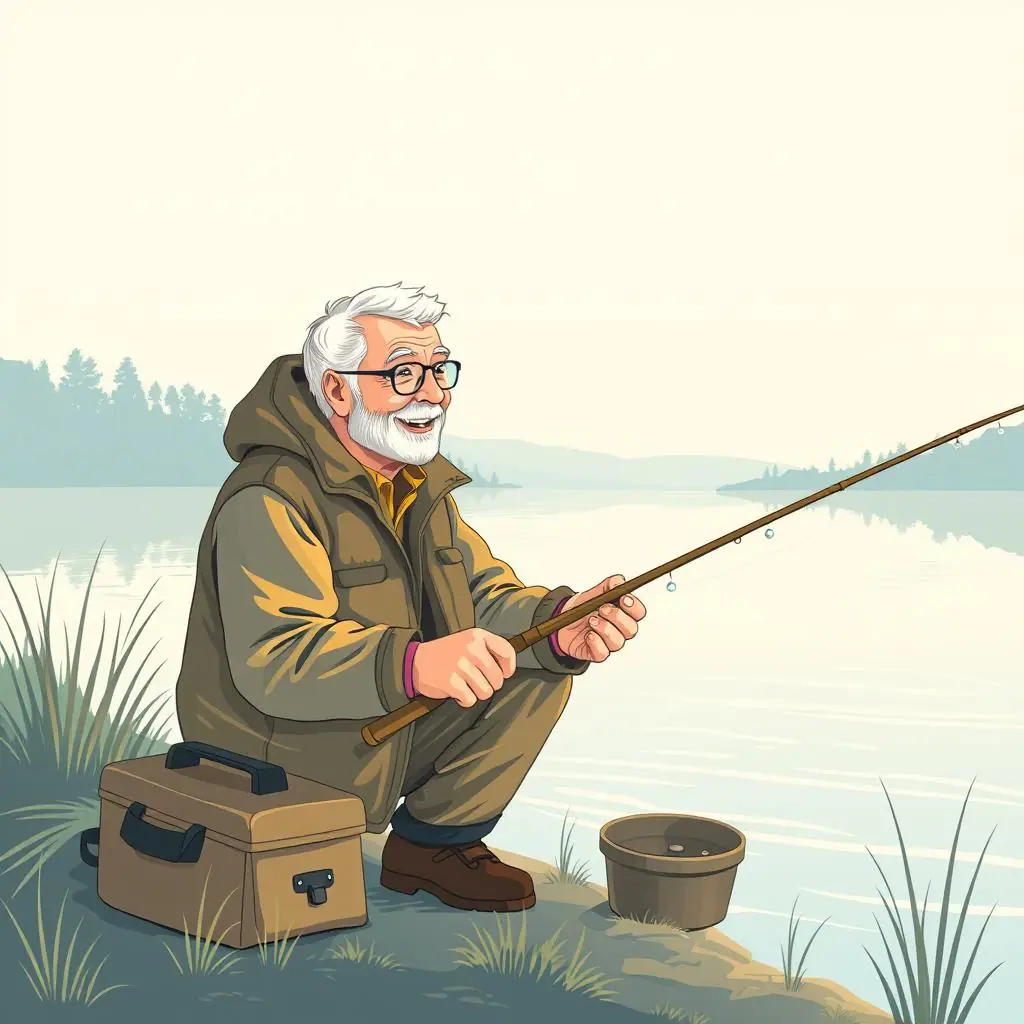
Learning how to choose a fishing spot gets much easier when you only have one hour. That sounds backwards, I know, but a short trip forces you to keep things simple: easy parking, safe footing, quick access, and fishy-looking water you can reach without a long walk.
The goal is not to find the perfect secret honey hole. The goal is to pick a comfortable place where you can fish calmly for 45 minutes, learn something, and head home without feeling rushed. For beginners and older anglers, that kind of reliable little outing is often what keeps fishing fun.
Why Choosing a Fishing Spot Matters on a Short Trip
When time is short, the wrong spot can turn a relaxing break into a chore. A beautiful lake may not help if the parking is far away, the bank is steep, or the wind is blowing straight into your face. A smaller pond or dock, on the other hand, may give you safer footing and faster fishing.
If you want a broader refresher on reading current, shade, depth, and cover, ReelHow already has a simple guide to reading water and spotting good fishing areas. For a one-hour trip, use those same clues, but shrink the decision down to what is close, safe, and immediately fishable.
Start With Access, Not Fish
Most beginners start by asking, "Where are the fish?" On a short trip, I would start with a different question: "Where can I fish safely and comfortably right now?" Fish matter, of course, but access determines whether you actually get a line in the water.
Check the Easy Stuff First
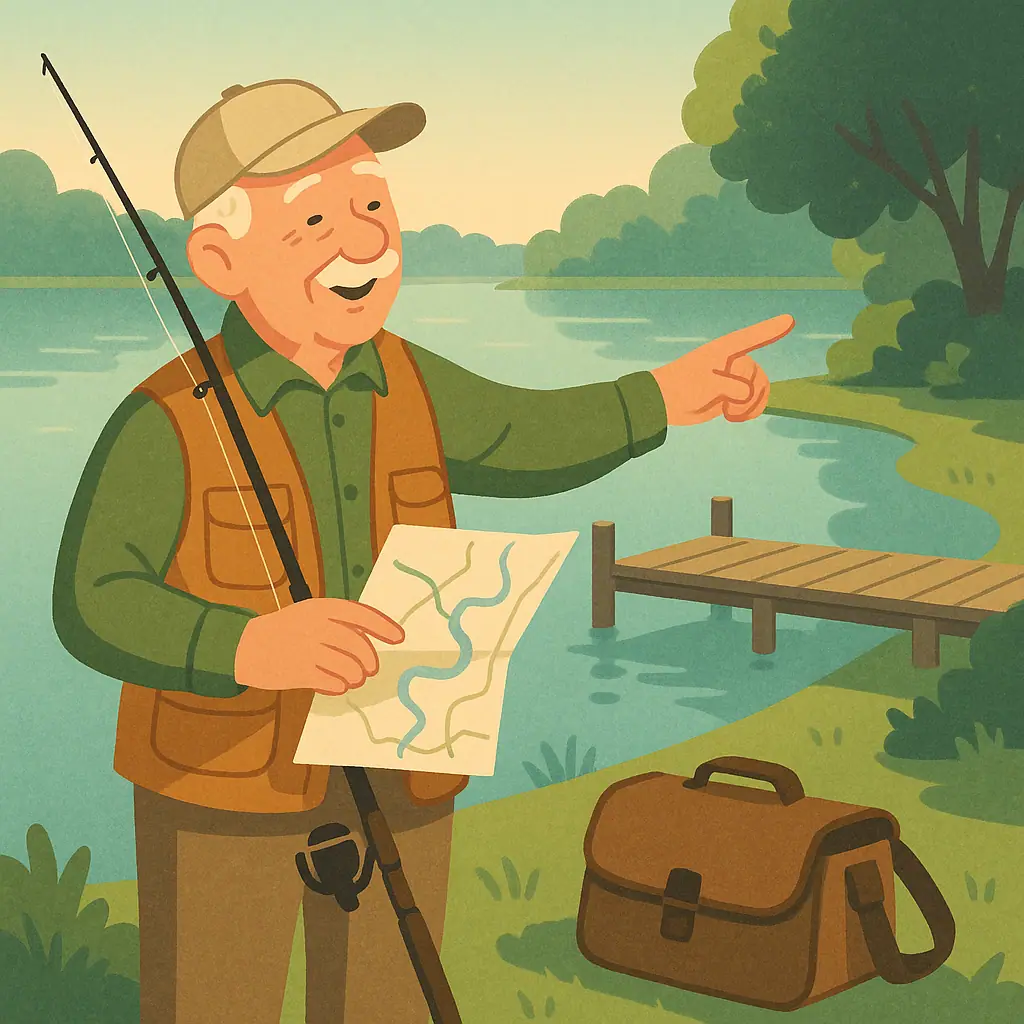
Before you grab the rod, look for three practical details. First, can you park close enough that the walk will not burn your fishing time? Second, is the bank, dock, or pier stable enough for your balance and footwear? Third, can you cast without tangling trees, railings, signs, or other people?
- Good access: parking nearby, clear walking path, and room for a chair or tackle bag.
- Safe footing: dry boards, gentle bank slope, or firm gravel instead of slick mud.
- Fishable space: enough casting room to make short, controlled casts without stress.
- Simple exit: an easy way back to the car if weather changes or you get tired.
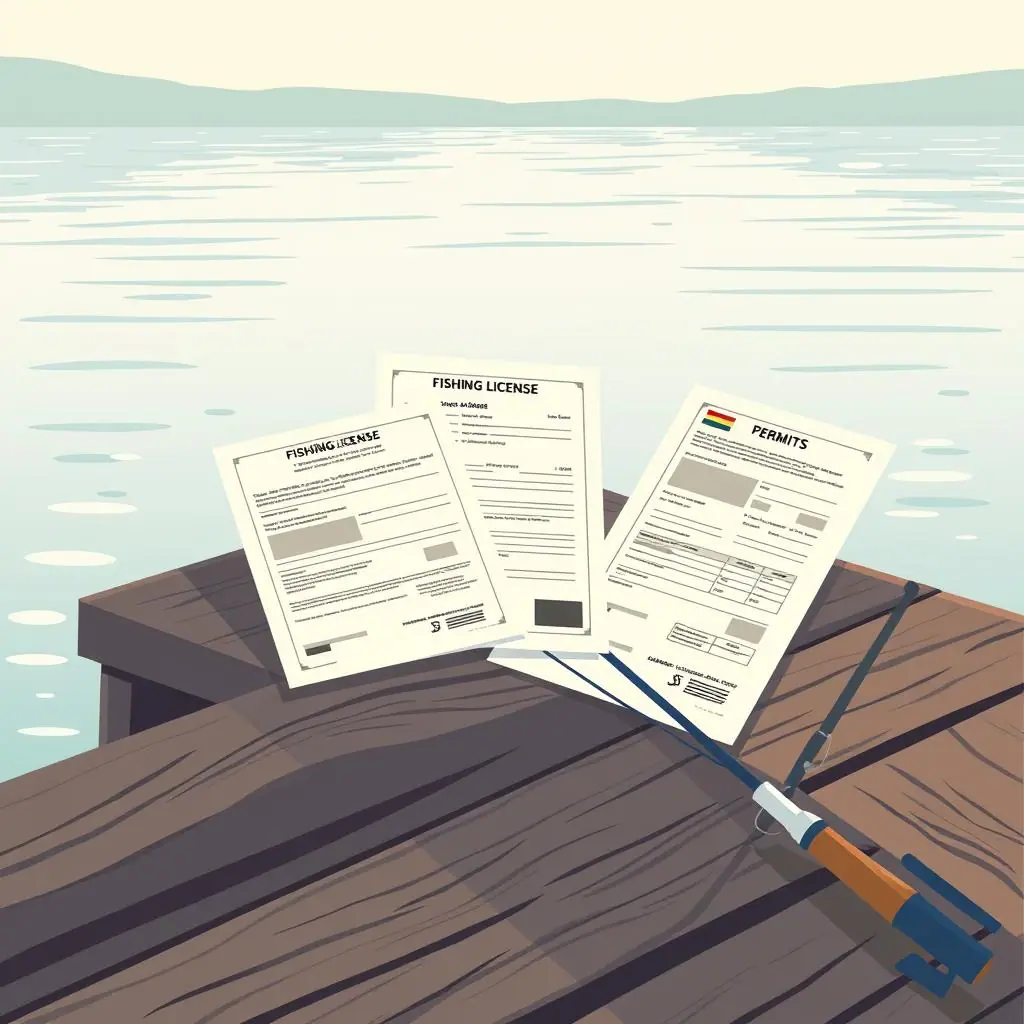
The National Park Service explains that fishing rules help protect fish populations and can vary by park, state, and water. That is a useful reminder for any one-hour outing: check posted signs and current local regulations before keeping fish or using restricted bait. Their page on fishing in national parks is a helpful overview of why rules matter before you choose a public fishing spot.
What to Check First for a One-Hour Fishing Spot
Once the spot passes the access test, look for easy fish-holding clues. You do not need a depth map, fish finder, or expert-level knowledge. You just need one or two features that give fish food, shade, or cover.
Look for Cover You Can Reach
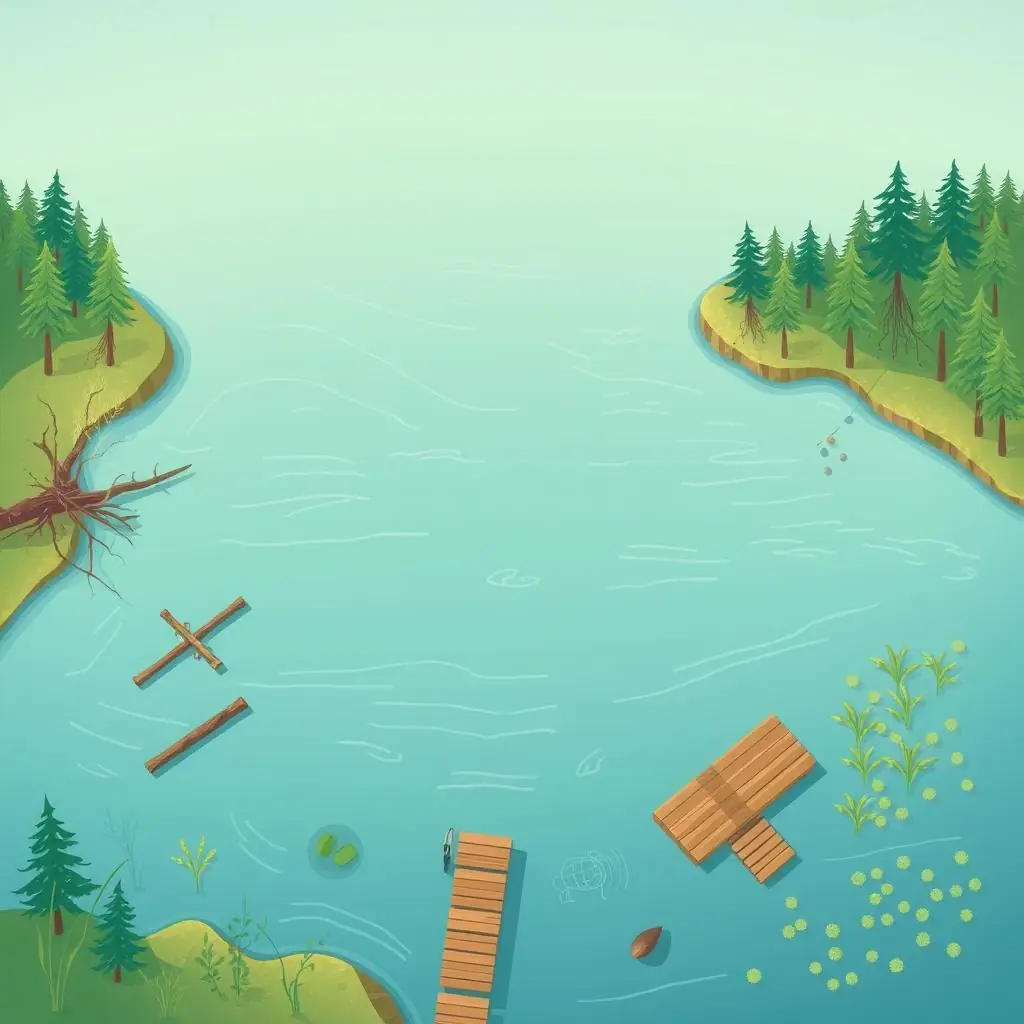
Cover is anything that helps fish feel protected: docks, weeds, lily pads, fallen branches, rocks, shade lines, bridge pilings, or the edge where shallow water drops slightly deeper. You do not need to cast into the middle of it. In fact, beginners usually do better casting beside cover instead of directly into it.
For a relaxed one-hour outing, still fishing can be a great match because you can settle into one promising area instead of constantly moving. If that sounds appealing, this guide to still fishing as a patient beginner technique pairs nicely with short trips.
How to Choose a Fishing Spot Step by Step
Here is a simple routine you can repeat whenever you only have one hour. It keeps you from wandering too long, overthinking the water, or changing spots every five minutes.
- Pick the closest safe water: choose a pond, dock, pier, or bank access you already know how to reach.
- Scan before unpacking: look for wind direction, mud, crowding, posted signs, and casting hazards.
- Choose one visible feature: shade, weeds, rocks, dock posts, a small point, or a drop-off near shore.
- Start with a simple rig: a bobber and worm, small jig, or easy lure you can fish without fiddling.
- Give it 20 focused minutes: make quiet casts, vary depth slightly, and watch for tiny signs of bites.
- Move once, not five times: if nothing happens, shift to one nearby feature and finish the trip there.
Common Mistakes to Avoid
The biggest mistake is chasing a better-looking spot until the hour disappears. Beginners often spend 30 minutes walking the bank, then only fish for 20 minutes. Pick a decent place, settle in, and let the bait work.
Another mistake is casting too far. On ponds, docks, and small lakes, bluegill, bass, crappie, and catfish may be close to shore, especially near shade or cover. Short accurate casts often beat long wild casts.
Pros and Cons of Short Fishing Spots
Less Planning
A nearby pond, dock, or bank spot lets you fish without turning the outing into a full-day project.
More Practice
Short trips help you build casting, rigging, and observation skills in small repeatable sessions.
Better Comfort
You can choose shade, seating, and safe footing instead of pushing through a tiring route.
Limited Exploration
You may not reach the prettiest or most productive water when the clock is tight.
Pressure Can Build
If you expect instant action, a short trip can feel rushed. Treat it as practice, not a test.
A Simple Checklist Before You Cast
- Can I fish here legally today? Check signs, access rules, and local regulations before keeping fish.
- Can I stand or sit safely? Avoid slick banks, unstable rocks, and crowded walkways.
- Do I see one fishy feature? Pick shade, weeds, rocks, dock posts, or a gentle depth change.
- Is my setup simple? Use a rig you can cast, adjust, and untangle quickly.
- Did I leave time to pack up? Stop a few minutes early so the trip ends calmly.
Frequently Asked Questions
What should I check first when choosing a fishing spot?
Check access and safety first. A spot with easy parking, stable footing, and room to cast is better for a one-hour trip than a famous spot that takes too long to reach.
Is it better to move around or stay put?
For one hour, stay mostly put. Give your first spot about 20 focused minutes, then make one nearby move if needed. Too much wandering steals fishing time.
What bait works best for a quick fishing trip?
A small piece of worm under a bobber is hard to beat for beginners. It is simple, visible, and works for many panfish, small bass, and other common freshwater fish.
Should I try a new spot if I only have one hour?
Only if it is easy to access and you already know the basic rules. If not, choose a familiar spot and save exploring for a longer, low-pressure day.
Final Thoughts
The best way to choose a fishing spot on a short trip is to think like a calm, practical angler. Start with access, confirm safety, find one piece of cover, and fish it patiently with a simple setup.
One hour is plenty when you do not waste it chasing perfection. Pick a comfortable place, make a few thoughtful casts, and enjoy the reset that comes from being near the water.