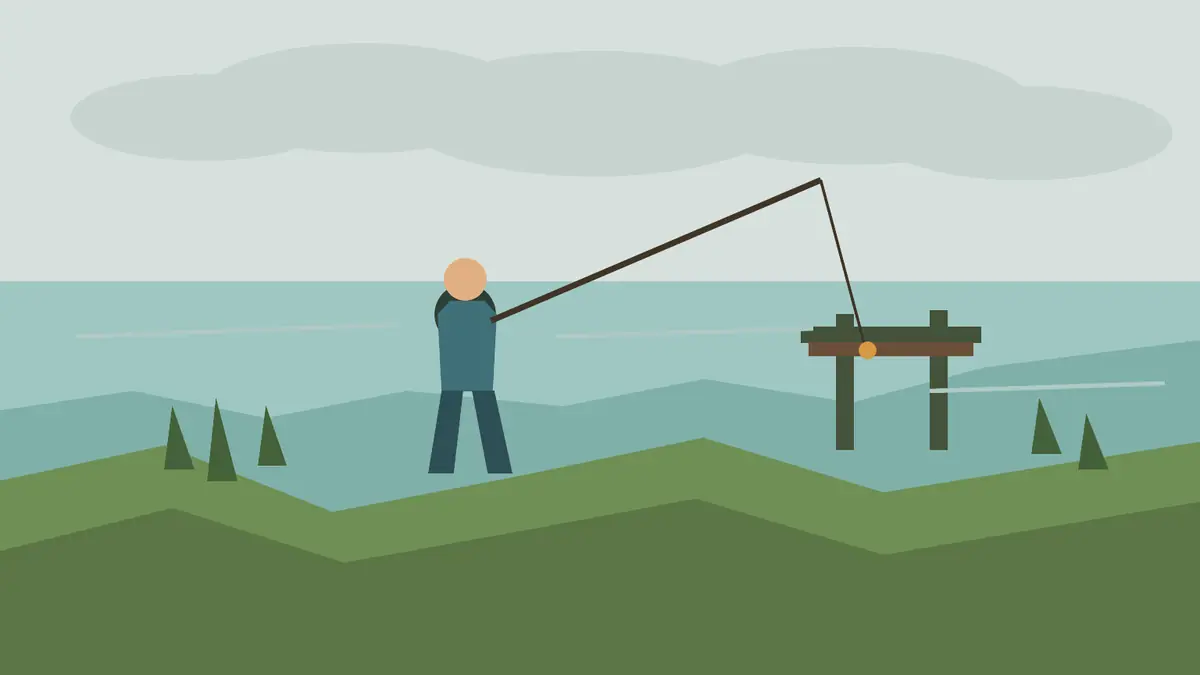
Cloudy day fishing can feel a little uncertain at first. The sky looks gray, the water may look flat or moody, and you might wonder whether the fish are still interested.
Here is the good news: overcast skies can be a friend to a beginner angler. Less bright light often makes shallow water feel more comfortable for fish, and it can make your own trip easier because you are not squinting into a hard glare all afternoon.
Why Cloudy Day Fishing Can Work So Well
Bright sun pushes many freshwater fish toward shade, deeper water, weeds, docks, or other cover. A cloudy sky softens that light. Fish may feel more willing to cruise along edges, feed a little longer, or move into water that felt too exposed on a clear afternoon.
That does not mean every cloudy day is magic. Cold fronts, storms, muddy runoff, and heavy wind can still make fishing tougher. But when the weather is stable and the water is safe, cloudy day fishing gives beginners a fair chance to work close, visible spots without needing heroic long casts.
If you are still learning how timing affects bites, the ReelHow guide to the best times to fish pairs nicely with this topic because it explains why low light often matters.
Start With Tips and Seasonal Fishing Basics
The simplest way to approach cloudy day fishing is to keep the plan narrow. Pick one pond, lake bank, dock, or slow river edge. Choose one easy rig. Then watch what the fish and water tell you before changing everything.
Look for low-light confidence, not guarantees
Cloud cover can reduce glare and make fish feel less exposed, but it will not fix every problem. If the water is very muddy after rain, if the bank is slippery, or if thunder is nearby, the smarter move is to wait or choose a safer location.
Use the weather as a clue
A calm, gray morning may let bluegill, bass, crappie, or trout feed near shore longer than usual. A dark, windy sky ahead of a storm is different. In that case, safety comes first. For tougher weather decisions, read the guide on bad weather fishing after you understand the basic cloudy-day pattern.
Choose the Best Bank Location on a Cloudy Day
Clouds help most when you combine them with the right piece of water. Start near places fish already like: weed edges, shade lines, dock posts, fallen branches, small inlets, gradual drop-offs, and corners where food collects.
- Weed edges: Cast along the outside edge instead of straight into the thickest weeds.
- Docks and shade: Fish often use posts and shadows as comfortable holding spots.
- Inlets and trickles: Moving water can bring oxygen and tiny food items into a pond or lake.
- Drop-offs: If shallow water falls into deeper water nearby, fish can slide up and down easily.
- Safe footing: A good spot is not good if the bank is slick, steep, or hard to leave quickly.
Do not walk past close water too quickly. On overcast days, fish may be closer than you expect. Make a few short casts before throwing across the whole pond.
Use Simple Gear That Works From Shore
A basic spinning rod, light line, small hooks, a bobber, split shot, and a few simple baits can cover most beginner cloudy-day trips. The goal is not to bring every lure you own. The goal is to fish calmly and notice bites.
A bobber rig with a worm is a great first choice around bluegill, sunfish, small bass, and stocked ponds. If fish are active but not taking bait, a small spinner, jig, or soft plastic can help you cover more water without making the setup complicated.
Keep your tackle small and manageable
Cloudy water does not require huge hooks or heavy line. In many beginner situations, smaller presentations look more natural and are easier for panfish or cautious bass to take. If you recently read about spring fishing, the same idea applies: match the mood of the water before you overpower it.
Pick Baits That Make Sense for Pond Fish
Worms remain one of the most beginner-friendly options because they work for many freshwater fish and are easy to fish under a bobber. Small pieces often work better than a whole giant worm, especially for bluegill and other panfish.
Bread or corn may catch fish in some places, but do not assume they are legal everywhere. Rules can vary by state, waterbody, and species. The U.S. Fish & Wildlife Service is a useful starting point for federal conservation context, and its official website can help you find broader fishing and wildlife resources. For the final word on licenses, seasons, bait rules, and harvest limits, use your state fish and wildlife agency before you go.
If you prefer lures, keep it simple. A small inline spinner, curly-tail grub, or soft plastic worm can be enough. Cast near an edge, retrieve slowly, and pause now and then. Cloudy day fishing often rewards patience more than speed.
Pros and Cons of Cloudy Day Fishing
Fish may use shallower water longer
Softer light can make banks, weed edges, and docks feel less exposed to feeding fish.
Glare is often easier on your eyes
Cloud cover can make bobbers, line movement, and shoreline targets easier to watch.
Short casts can be productive
Beginners can focus on reachable cover instead of trying to throw across the whole lake.
Storm clouds change the plan
Darkening skies, thunder, and strong gusts are safety signals, not fishing challenges to ignore.
Muddy runoff can slow bites
After heavy rain, cloudy skies may come with dirty water that makes it harder for fish to find your bait.
A Simple Cloudy Day Checklist
- Is the weather stable? Fish gray skies, not unsafe storms.
- Can I stand comfortably? Avoid slick mud, steep banks, and wet rocks.
- Where is the closest cover? Start with weeds, docks, shade, inlets, and drop-offs.
- Is my bait simple? Worms, small jigs, bobbers, and soft plastics are plenty for most beginners.
- Am I fishing slowly enough? Give fish time to find the bait in softer light.
- Have I checked local rules? Licenses, seasons, bait rules, and harvest limits are not optional.
When to Get Extra Help
If you are unsure about rules, ask your state fish and wildlife agency, a local bait shop, or a trusted experienced angler. Do not guess about seasons, protected species, bait restrictions, or whether a private pond is open to the public.
It also helps to bring someone along when the bank is new to you. A second set of eyes can notice weather changes, footing problems, and where fish are moving while you focus on casting.
Frequently Asked Questions
Is cloudy day fishing better than sunny day fishing?
Sometimes. Cloudy skies can keep fish comfortable in shallower water, but water temperature, wind, recent rain, and safety still matter. Think of clouds as one helpful clue, not a promise.
What bait should I use on a cloudy pond?
A worm under a bobber is the easiest starting point for many beginners. If fish are active but not taking bait, try a small spinner, jig, or soft plastic near cover.
Do I need to cast far on overcast days?
No. Many good targets are close to shore: weeds, dock posts, shade lines, inlets, and small drop-offs. Make short, accurate casts before trying long ones.
Should I fish if clouds look like a storm?
No fish is worth lightning, unstable footing, or unsafe wind. If the sky is building into a storm, pack up early or choose another day.
Final Thoughts
Cloudy day fishing is a good lesson in working with conditions instead of fighting them. Softer light can help fish move, help you watch the water, and make close shoreline cover more interesting.
Start simple: check the rules, choose a safe bank, fish near cover, and let the gray sky give you a calmer chance to learn. One comfortable, observant trip is worth more than a complicated tackle box.