
Crappie fishing offers some of the most consistent action you’ll find in freshwater, especially once you understand their schooling behavior and seasonal patterns. These delicious panfish travel in groups, which means when you find one, you’ll likely find many more. Whether you’re targeting white crappie in shallow cover or black crappie in deeper structure, mastering a few key techniques will fill your cooler with these tasty fish.
Unlike solitary predators that require patience and persistence, crappie reward anglers who can locate their schools. Once you dial in their location and preferred depth, you can catch dozens in a single outing, making them perfect for anglers who enjoy both the challenge of the hunt and the satisfaction of a productive day on the water.
Understanding Crappie Behavior

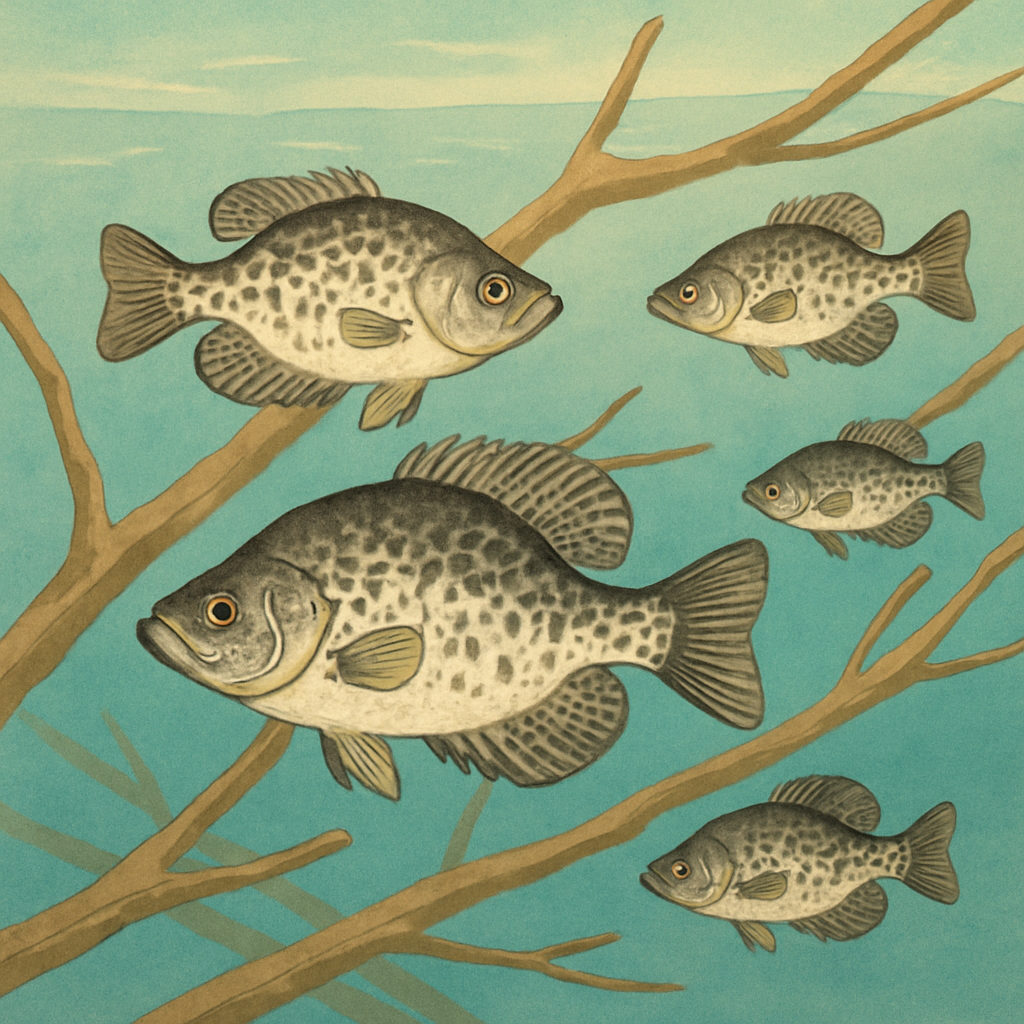
Crappie are schooling fish that exhibit predictable seasonal movements, making them easier to pattern than many other species. Black crappie typically prefer clearer water with more vegetation, while white crappie tolerate murkier conditions and often suspend in open water. Both species gravitate toward structure — fallen trees, brush piles, docks, and bridge pilings serve as both protection and feeding areas.
Understanding their daily routine gives you a significant advantage. Crappie are most active during low-light periods, feeding heavily at dawn and dusk. During bright sunny days, they often retreat to deeper water or tighter cover, but they’ll still bite if you present baits properly in their hideouts.
Seasonal Patterns and Locations
Success in crappie fishing depends heavily on understanding their seasonal movements. These patterns are remarkably consistent from year to year, making crappie one of the most predictable fish species once you learn their habits.
Spring brings the most exciting crappie action as fish move shallow to spawn. Look for protected bays with darker bottoms that warm quickly. Crappie will stage in nearby deeper water before moving onto spawning beds, typically in 3-8 feet of water around brush, logs, or other cover.
- Spring (pre-spawn): Stage in deeper water near spawning areas, highly aggressive
- Spring (spawn): Shallow protected areas, males guard beds and strike readily
- Summer: Deep structure, suspend over points and humps
- Fall: Follow baitfish to main lake areas, excellent schooling behavior
- Winter: Deep, slow-moving water, require finesse presentations
Essential Crappie Fishing Techniques
While crappie will hit various presentations, certain techniques consistently outperform others. The key is matching your approach to their current mood and location — aggressive fish in shallow water call for different tactics than lethargic deep-water schools.
Vertical Jigging
This technique excels when fishing deep structure or suspended schools. Use a 1/16 to 1/8 ounce jig tipped with a minnow or soft plastic. Lower your bait to the desired depth and work it with subtle lifts and drops. Electronics help tremendously for locating schools and tracking your jig’s position relative to the fish.
Spider Rigging
Popular among serious crappie anglers, this technique involves multiple rods with different depths and presentations. It allows you to cover various depths simultaneously and determine which depth and bait combination produces best. Start with 4-6 rods rigged at different depths around likely structure.
Casting to Cover
During spring when crappie are shallow, casting small jigs or spinners to visible cover produces excellent results. Target fallen trees, brush piles, dock posts, and vegetation edges. Use light line and make accurate casts to avoid spooking these sometimes-finicky fish.
Best Baits and Lures
Crappie have excellent eyesight and can be surprisingly selective about bait presentation. While they’re generally easier to catch than bass or walleye, matching the hatch and using appropriate colors makes a significant difference in success rates.
Small Jigs
1/16-1/8 oz with soft plastic trailers, versatile and effective.
Live Minnows
The gold standard, especially effective during cold fronts.
Small Spinners
Great for covering water and triggering reaction strikes.
Large Baits
Crappie have relatively small mouths; oversized presentations reduce strikes.
Heavy Tackle
Reduces sensitivity and spooks fish in clear water conditions.
Gear for Crappie Success
Crappie fishing demands finesse tackle that allows delicate presentations and enables you to feel subtle bites. Light tackle also makes fighting these scrappy fish more enjoyable, as they’re surprisingly strong for their size and put up an entertaining battle on appropriate gear.
- Rods: 7-10 foot light action spinning rods for sensitivity
- Reels: Small spinning reels with smooth drag systems
- Line: 4-8 pound test monofilament or 6-10 pound braid
- Jigs: 1/16 to 1/4 ounce heads in various colors
- Soft plastics: 1-2 inch grubs, tubes, and minnow imitations
- Electronics: Fish finder to locate structure and schools
Reading Crappie Water
Learning to identify productive crappie water dramatically increases your success rate. Unlike bass that might hold on any available cover, crappie are more selective about their preferred habitat. Understanding their preferences helps you eliminate unproductive water quickly.
Look for structure in 8-20 feet of water during most seasons. Crappie prefer vertical cover like standing timber, brush piles, and steep drop-offs where they can move up and down the water column easily. During spring, focus on the north sides of coves and channels that warm first and offer protection from prevailing winds.
Frequently Asked Questions
What’s the difference between black and white crappie?
Black crappie have darker coloration and more irregular spots, preferring clearer water with vegetation. White crappie are lighter with distinct vertical bars and tolerate murkier water. Both offer similar fishing experiences and taste identical.
What’s the best depth for crappie fishing?
Depth varies seasonally. Spring crappie spawn in 3-8 feet, summer fish often suspend in 10-20 feet, and winter crappie may go deeper than 25 feet. Use electronics to locate schools rather than guessing depths.
When is the best time to catch crappie?
Spring (March-May) offers the most consistent action during spawning season. Early morning and evening produce best results year-round. Overcast days can extend productive periods throughout the day.
How many crappie can I keep?
Limits vary by state and water body, typically ranging from 10-30 fish per day. Check local regulations for specific limits, size restrictions, and seasonal closures. Many waters have liberal limits due to crappie’s prolific reproduction.
Final Thoughts
Crappie fishing offers the perfect combination of challenge and reward for anglers seeking consistent action and excellent table fare. Their schooling behavior means once you locate fish and dial in the right presentation, you can enjoy fast-paced fishing that keeps the excitement high throughout your trip.
Remember that crappie fishing is often about patience and persistence in locating schools rather than enticing individual fish to bite. Invest time in learning their seasonal patterns on your local waters, and you’ll develop the confidence to find them consistently regardless of conditions.