
Watching your line move naturally downstream while your bait drifts along the bottom — this is drift fishing, one of fishing’s most effective and ancient techniques. Instead of fighting the current, you’re working with it to present your bait in the most natural way possible.
Think of drift fishing like floating a leaf down a stream. Just as that leaf follows the water’s natural flow, your bait moves naturally through fish-holding areas, triggering more strikes than static presentations ever could.
What Is Drift Fishing?
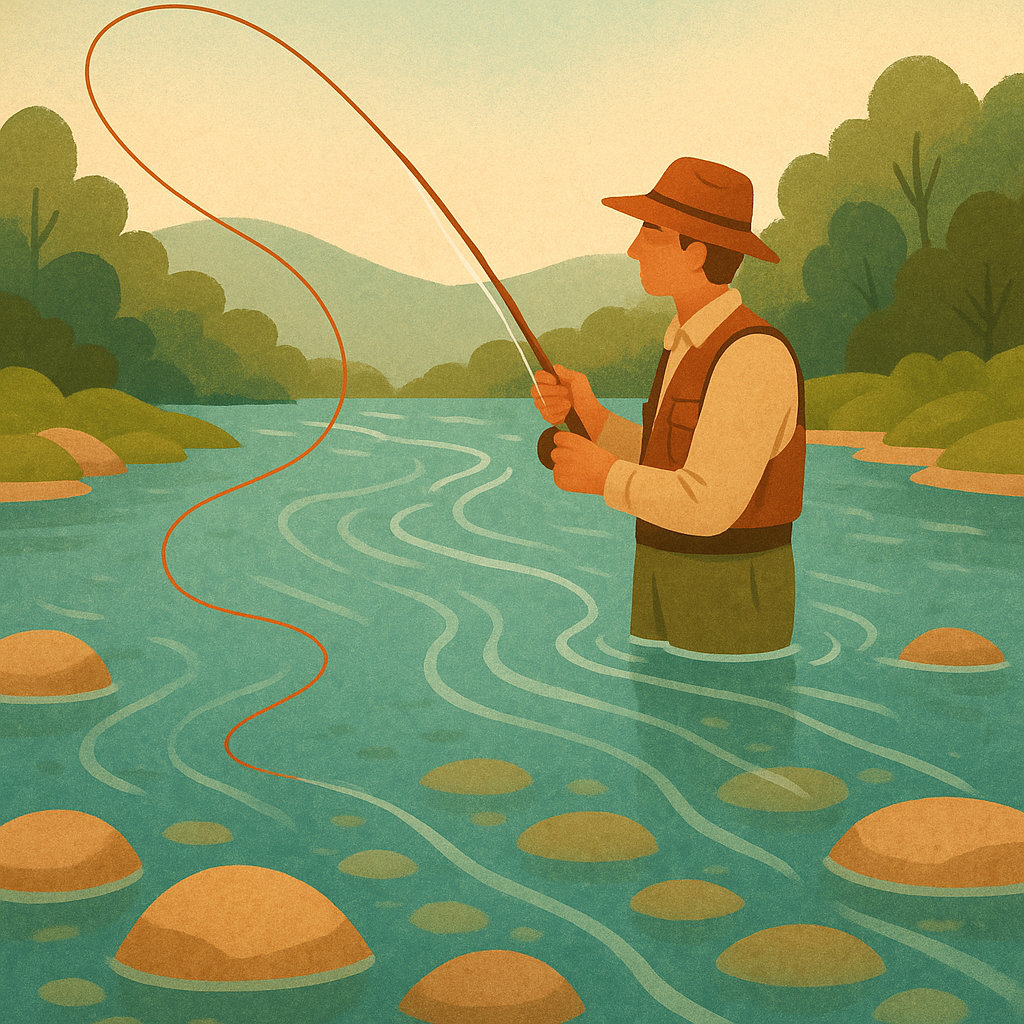
Drift fishing involves allowing water current to carry your bait naturally downstream while maintaining contact with your line. This technique works in rivers, streams, and any water with noticeable current flow.
The key difference between drift fishing and other techniques is that you’re not keeping your bait in one spot. Instead, you’re using the water’s movement to cover more area while presenting your bait naturally to fish.
Essential Drift Fishing Components
- Sufficient weight: Keeps bait near bottom without anchoring
- Sensitive rod tip: Detects subtle strikes while drifting
- Proper line control: Maintains contact without impeding drift
- Natural bait: Works best with current flow and movement
Why Current Fishing Works So Well
River fishing presents unique challenges that drift fishing solves perfectly. In moving water, fish position themselves to conserve energy while intercepting food carried by the current.
Static baits in moving water look unnatural and often get ignored. Drifted baits move exactly like real food items — insects, small fish, and other prey that fish expect to see flowing downstream.
Reading River Current and Structure
Successful drift fishing starts with understanding how water moves and where fish position themselves in relation to current. Current fishing requires reading the water like a map.
Key Current Features
🌊 Eddies and Backflows
Areas where current reverses or slows create feeding zones. Fish use these spots to rest while remaining close to the main current’s food supply.
🪨 Boulder Gardens
Large rocks break current flow and create feeding lanes downstream. These calm pockets hold fish while the main current brings food past their position.
Productive Drift Zones
⬇️ Drop-offs and Ledges
Where shallow water drops into deeper pools, current slows and fish concentrate. These transitions are prime drift fishing areas.
🌿 Undercut Banks
Current creates hiding spots under bank overhangs. Fish use these areas for cover while feeding on drifted food items.
Drift Fishing Tackle Setup
Your tackle setup makes the difference between successful drifts and constantly snagged lines. The goal is maintaining bottom contact while allowing natural movement.
Weight selection is critical. Too little weight and your bait rides too high; too much weight and it drags bottom instead of drifting. Start with enough weight to maintain contact, then adjust based on current speed and depth.
Leader length affects bait presentation. Longer leaders allow more natural movement but reduce sensitivity. Start with 18-24 inches and adjust based on conditions and fish response.
Drift Fishing Techniques
Effective drift fishing involves more than just letting your line flow downstream. You’re actively managing the drift to maintain the perfect presentation speed and depth.
The “bounce and glide” technique works particularly well. Allow your weight to occasionally touch bottom, then lift slightly so it glides just above the bottom. This mimics how natural food items move in current.
Bait Selection for Drift Fishing
Natural baits excel in drift fishing because they move realistically in current and release scent that attracts fish from downstream positions.
Live Bait Options
Worms and nightcrawlers work exceptionally well because they move naturally in current. Their segmented bodies create lifelike action that triggers strikes from multiple species.
Minnows and small fish are deadly for predator species when drifted through deeper pools. They struggle naturally against the current, creating realistic distress signals.
Effective Artificial Options
Soft plastics designed for current work well when you want to avoid bait management. Choose designs with action tails that move in slow current.
Small jigs can be effective when actively worked during the drift. The combination of current flow and jig action creates irresistible movement patterns.
Seasonal Drift Fishing Patterns
Different seasons affect water conditions and fish behavior, requiring adjustments to your drift fishing approach.
Spring high water creates strong currents that require heavier weights and shorter drifts. Fish often hold in calmer side channels and backwaters during peak flow periods.
Summer low water concentrates fish in deeper pools and requires lighter tackle. Longer, more delicate drifts work better when water is clear and fish are spooky.
Fall feeding patterns often place fish in predictable locations as they prepare for winter. Focus on deeper pools and runs where baitfish concentrate.
Pros and Cons of Drift Fishing
Natural Presentation
Bait moves exactly like real food items in current.
Covers More Water
Each drift explores new water rather than fishing one spot.
Effective for Multiple Species
Works for trout, salmon, steelhead, and warm water species.
Versatile Technique
Adapts to different water conditions and seasons.
Requires Moving Water
Technique doesn’t work in still water or very slow current.
Increased Snag Risk
Moving bait through structure increases chances of getting stuck.
Requires Skill Development
Learning to feel bottom and detect strikes takes practice.
Weather Dependent
High or muddy water can make technique difficult or impossible.
Frequently Asked Questions
How do I know if I’m using the right weight for drift fishing?
Your weight should occasionally touch bottom during the drift but not drag constantly. If you can’t feel bottom contact, add weight. If it drags continuously, reduce weight or fish shallower areas.
What’s the ideal drift speed for most fish?
Your bait should move slightly slower than the surface current. Fish expect food to move at this speed, and anything faster appears unnatural. Control speed by adjusting weight and line angle.
How long should each drift be?
Drift until your line creates too much drag on the bait or you reach unfishable water. This typically means 20-50 yards depending on current speed and bottom structure.
Can drift fishing work in small streams?
Yes, but use lighter tackle and shorter drifts. Small streams require more delicate presentations, and fish are often spookier than in larger water.