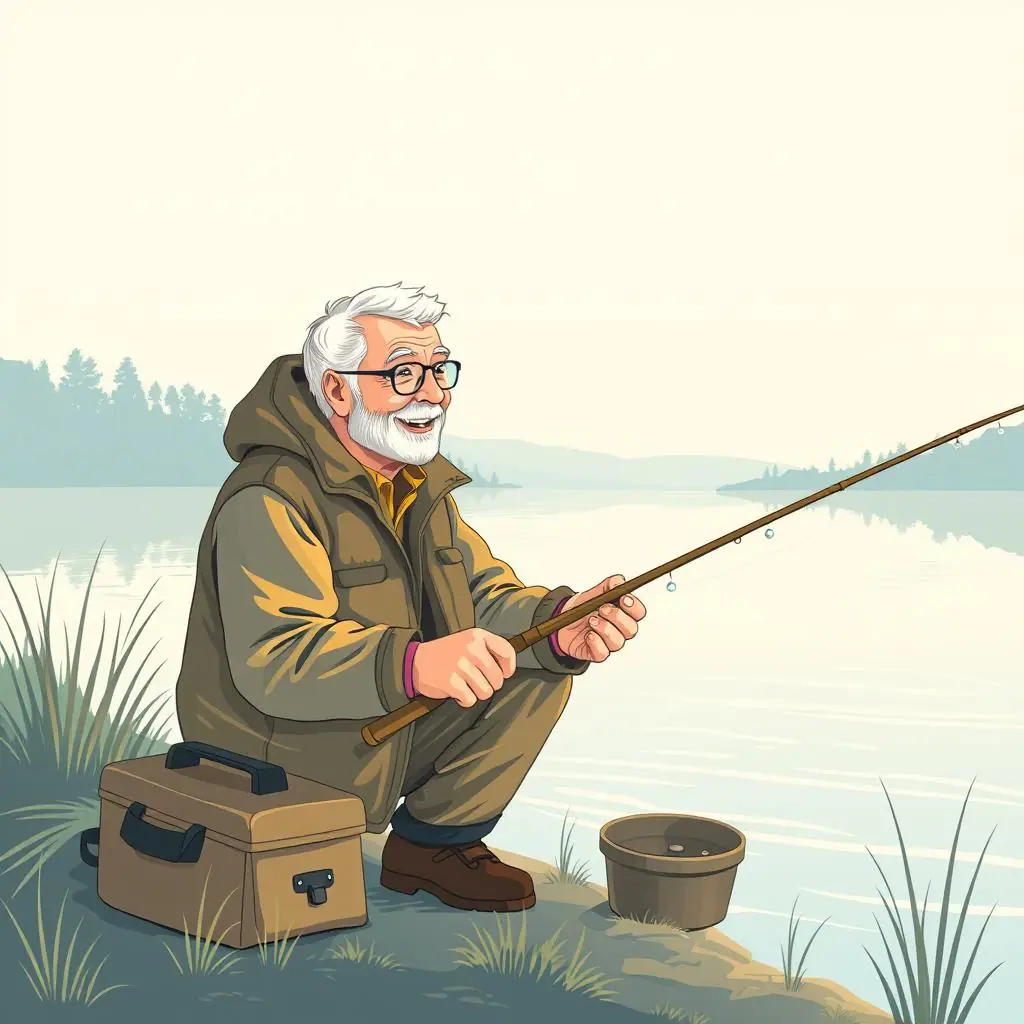
Early spring pond fishing can feel a little confusing. The air may be warm enough for a short-sleeve afternoon, but the water is often still cool, and pond fish do not always chase like they will later in the season.
That does not mean you should wait at home. It means you should fish a little slower, choose simple bank spots, and give the pond time to show you where the first active fish are moving.
Why Early Spring Pond Fishing Matters
Early spring is the season when small ponds begin waking up. Sunlight warms shallow edges first. Inlets may bring oxygen and a little food movement. Bluegill, bass, crappie, and catfish can all become more reachable from the bank, but they may still be cautious.
For beginners and adults 50+, that makes ponds a friendly place to learn. You do not need a boat, long casts, or a tackle shop full of lures. You need a few calm decisions repeated well.
If you want the broader seasonal picture, ReelHow's guide to spring fishing when fish wake up hungry explains how warming water changes fish activity. This article keeps the focus tighter: a small pond, a bank angler, and water that still has some chill in it.
Start With a Slow First Walk
Before you tie on bait, walk a short stretch of bank and look. Early spring rewards observation. A pond may have one sunny side that is a few degrees warmer, one corner protected from wind, or one shallow flat where small baitfish flicker near the edge.
Look for warmth before depth
On a sunny day, the north shoreline of a pond often receives more direct sunlight in much of the United States. That does not guarantee fish, but it gives you a sensible place to start. Warm shallows near deeper water are especially worth a few quiet casts.
Watch the bank under your feet
Cool-season banks can be soft, slick, or undercut after rain. Choose stable ground before chasing the perfect cast. A comfortable place to stand and step back from the water is part of good fishing, not a separate safety chore.
Choose the Best Pond Bank Location
Fish do not spread evenly around a pond in early spring. They use edges, cover, and subtle changes. Your job is to make a few thoughtful casts to those places instead of throwing blindly across open water.
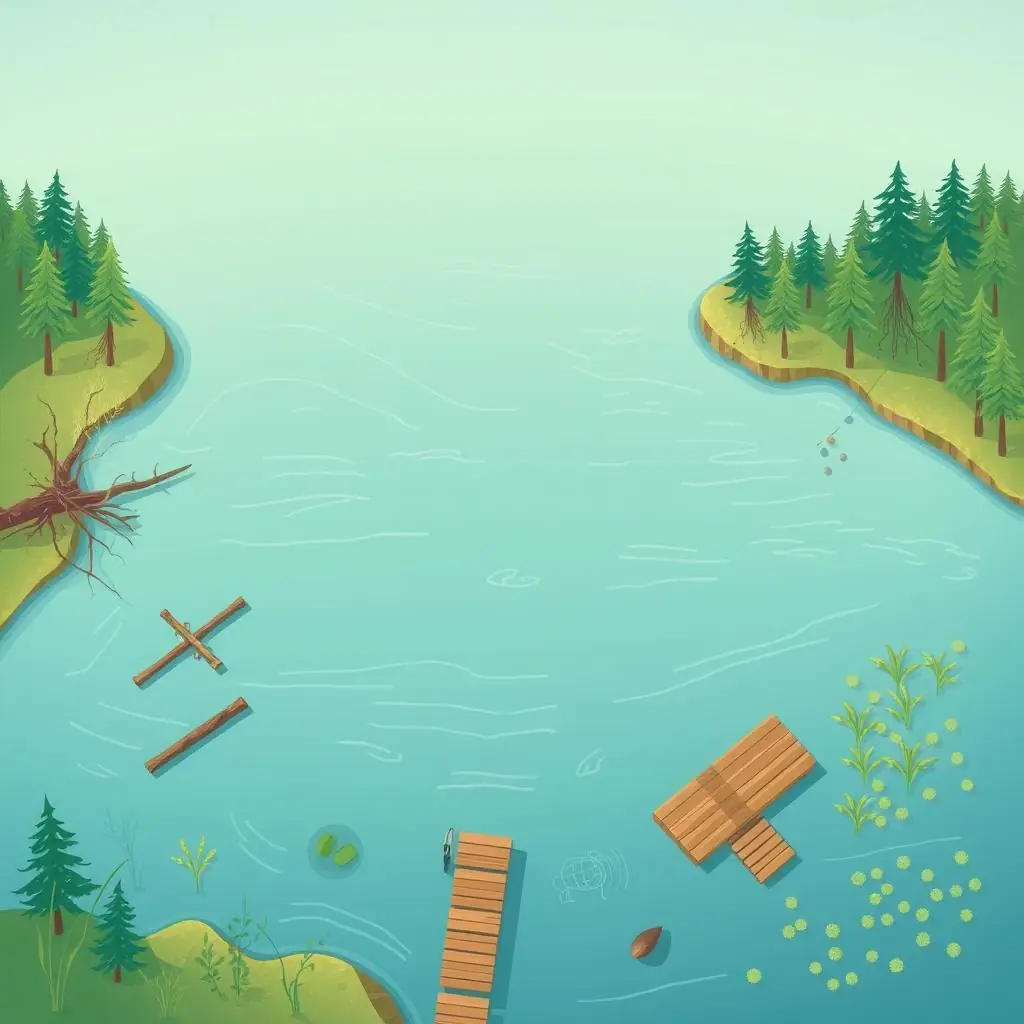
- Sunny shallow pockets: start where sunlight reaches the bank for several hours.
- Weeds and old stems: fish often patrol the edges of remaining vegetation.
- Small inlets: moving water can bring food, oxygen, and slightly warmer flow.
- Drop-offs near shore: a shallow shelf beside deeper water lets fish move up and back easily.
- Wood or brush: laydowns, roots, and small branches can hold baitfish and ambush spots.
Do not crowd every piece of cover. Make a quiet cast, let the bait settle, and move only after you have given that spot a fair chance.
Use Simple Gear That Works From Shore
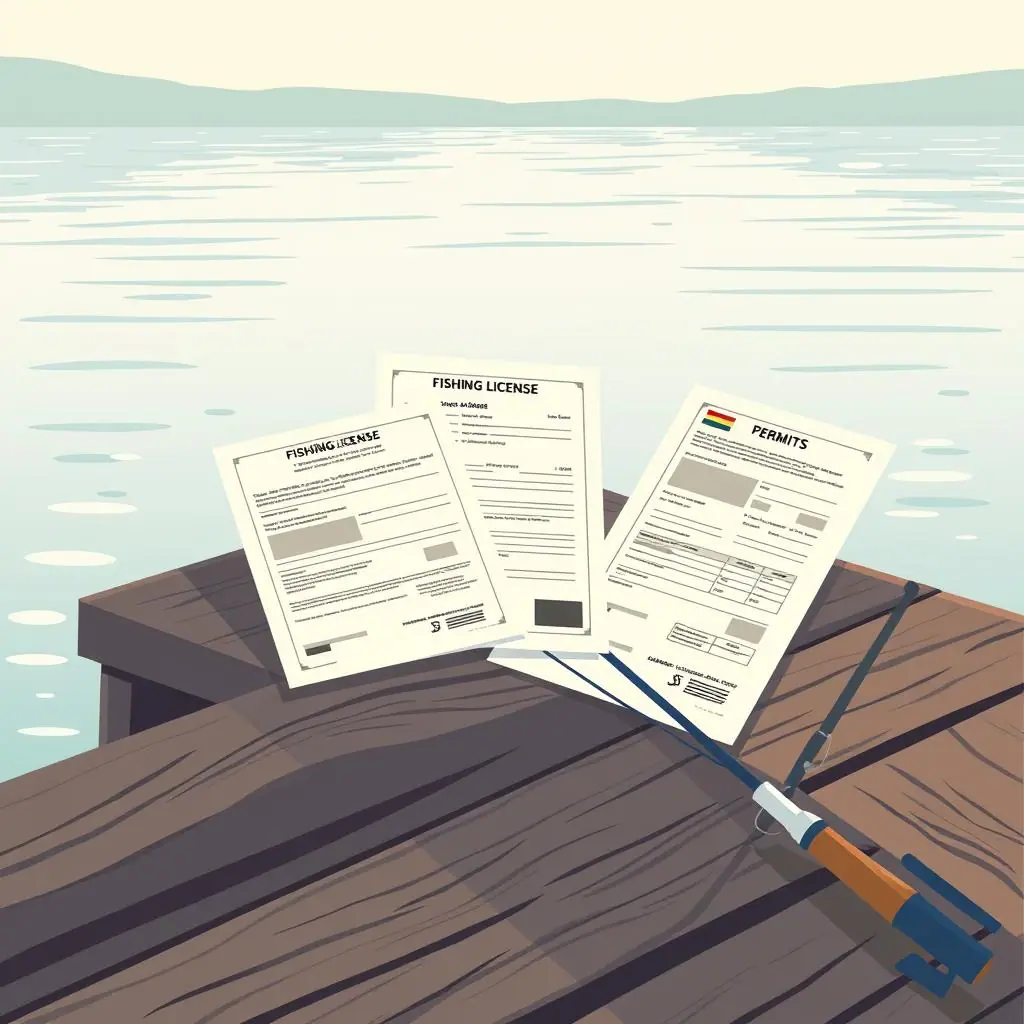
A simple spinning setup is enough for most early spring pond fishing. Fishing rules vary by state, waterbody, age, season, and bait choice, so check an official state agency before you go. As one example, the Georgia DNR fishing resources page points anglers to current license and regulation information before fishing.
That outside guidance fits a pond perfectly. You can keep the gear light and understandable: one rod, one small tackle tray, and a few options you trust.
A friendly starter setup
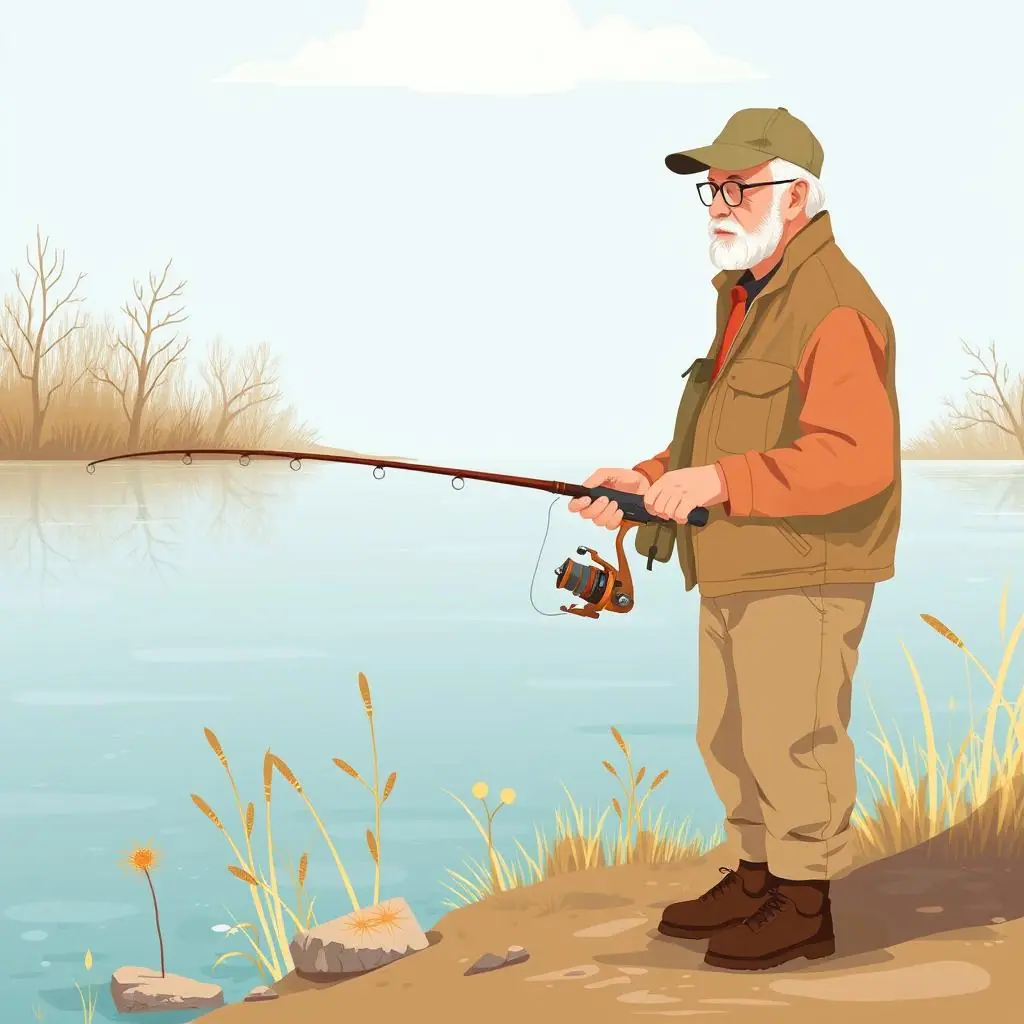
For bluegill, crappie, stocked trout, and small pond bass, a medium-light spinning rod with 6- to 8-pound monofilament is easy to handle. If the pond has bigger bass, heavy weeds, or catfish, step up carefully rather than overloading yourself with gear you do not enjoy casting.
Keep the tackle tray small
Bring small hooks, split shot, a few bobbers, needle-nose pliers, line clippers, and two or three simple lure choices. ReelHow's article on tackle box essentials can help you organize those basics without turning a peaceful pond walk into a heavy carry.
Pick Baits for Cool Pond Water
Cool water usually means slower presentations. Fish may eat, but they often do not want to chase far. Put the bait where fish already feel comfortable, then give it time.
Live bait for patient fishing
Worms under a small bobber are hard to beat for early spring pond fishing. Adjust the depth so the bait hangs near weeds, brush edges, or just above bottom. If local rules allow bread, corn, or other simple baits, use them carefully and sparingly. Never assume a bait is legal just because someone nearby uses it.
Small lures for searching
Small jigs, soft plastics, tiny spinners, and slow-swum grubs can help you cover more water. The trick is to slow down. Cast past the likely spot, let the lure settle, and retrieve with pauses. In cool water, a pause often matters more than a flashy retrieve.
Fish the Right Times of Day
Early spring pond fishing often improves after the sun has had time to work. A cold dawn can be peaceful, but a late morning or mid-afternoon window may warm shallow water enough to move fish closer to shore.
Evening can also be good on stable, mild days, especially if the afternoon sun warmed the bank. If a cold front just passed, expect a slower bite and focus on the calmest protected areas.
For a broader look at timing, ReelHow's guide to the best times to fish explains how light, temperature, and daily rhythm affect activity. On an early spring pond, use that idea gently: fish when you are comfortable and when the bank has had a chance to warm.
Stay Safe While Fishing From the Bank
A pond bank looks simple until mud, cold water, loose rocks, and hidden roots enter the picture. Take the safe path first. The best fishing spot is not worth a fall.
- Wear shoes with grip: early spring banks can stay slick even on bright days.
- Step back before casting: give yourself room behind and beside you.
- Handle hooks slowly: cold fingers and small hooks are a poor match for rushing.
- Pack sun and wind protection: spring sun can still burn, and wind off cool water can chill you.
- Check the rules: licenses, bait restrictions, pond access, and harvest limits vary by place.
If the pond is private, ask permission. If it is public, read posted signs. If the bank looks unsafe, choose another place or come back on a drier day.
Pros and Cons of Early Spring Pond Fishing
Fish move within bank range
Sun-warmed shallows and shoreline cover can bring bluegill, bass, and other pond fish close enough for short, accurate casts.
Simple bait works well
Worms, small jigs, soft plastics, and slow bobber rigs can all catch fish without complicated tackle.
Less summer discomfort
Cooler air, fewer hot afternoons, and quieter banks can make the trip more pleasant for relaxed anglers.
Bites may be scattered
Fish are waking up unevenly, so one side of the pond may be active while another feels completely quiet.
Banks can be slippery
Spring mud, wet grass, and cold water make footing more important than reaching every promising-looking spot.
A Simple Early Spring Pond Checklist
Use this quick checklist before your next pond trip. It keeps the plan practical and repeatable.
- License and access: confirm that you can legally fish the pond and know the local rules.
- Warm bank: start on a sunny, protected shoreline when conditions allow.
- Stable footing: choose a spot where you can stand and step back safely.
- Small bait: begin with worms under a bobber or a small jig worked slowly.
- Short casts: target cover, weed edges, inlets, and drop-offs near shore.
- Slow retrieve: add pauses and give fish time to decide.
- Comfort gear: bring water, a hat, pliers, clippers, and a small first aid kit.
When to Get Extra Help
Ask a local tackle shop, park office, state fish and wildlife agency, or experienced friend when you are unsure about regulations, bait rules, access, or species. Do not guess on rules. They can change by state, waterbody, season, and age.
Also get help if you keep snagging, losing fish, or feeling uncomfortable on the bank. A small change in hook size, bobber depth, or standing position can make the whole pond feel easier.
Frequently Asked Questions
What is the easiest bait for early spring pond fishing?
A worm under a small bobber is usually the easiest place to start. It works for many pond fish and lets you control depth without constant casting. Always check local bait rules first.
Do I need a long cast from the bank?
No. Many pond fish use cover close to shore, especially when sunlight warms shallow edges. Short, quiet casts to good spots often beat long casts into empty water.
What time should I fish a small pond in early spring?
Late morning through afternoon can be good because the sun has time to warm the shallows. Mild evenings can also work. After a cold front, expect slower fishing.
How do I avoid snagging from shore?
Cast to the edges of weeds, brush, and branches instead of directly into the thickest cover. Use lighter rigs, retrieve slowly, and move your feet before pulling hard on a snag.
Final Thoughts
Early spring pond fishing is about patience, warmth, and small smart moves. Start on a sunny bank, fish close to cover, keep your bait simple, and slow down more than you think you need to.
If the first spot is quiet, do not take it personally. Move a little, watch the water, and try again. The pond is waking up, and your best advantage is a calm plan you can repeat.