
Planning your first fishing trip can feel overwhelming, especially when faced with endless fishing gear lists and equipment recommendations. After helping hundreds of beginners get started, I’ve learned that success comes from bringing the right essentials, not the most expensive gear. Whether you’re 55 or 75, this practical guide will help you pack everything you need for a memorable day on the water.
The key is starting simple. You don’t need to spend a fortune or haul a truckload of equipment to catch fish. Focus on quality basics that will serve you well for years to come. Think of it like learning to cook — you start with a good knife and pan, not a kitchen full of gadgets you don’t understand yet.
Your Basic Rod and Reel Setup
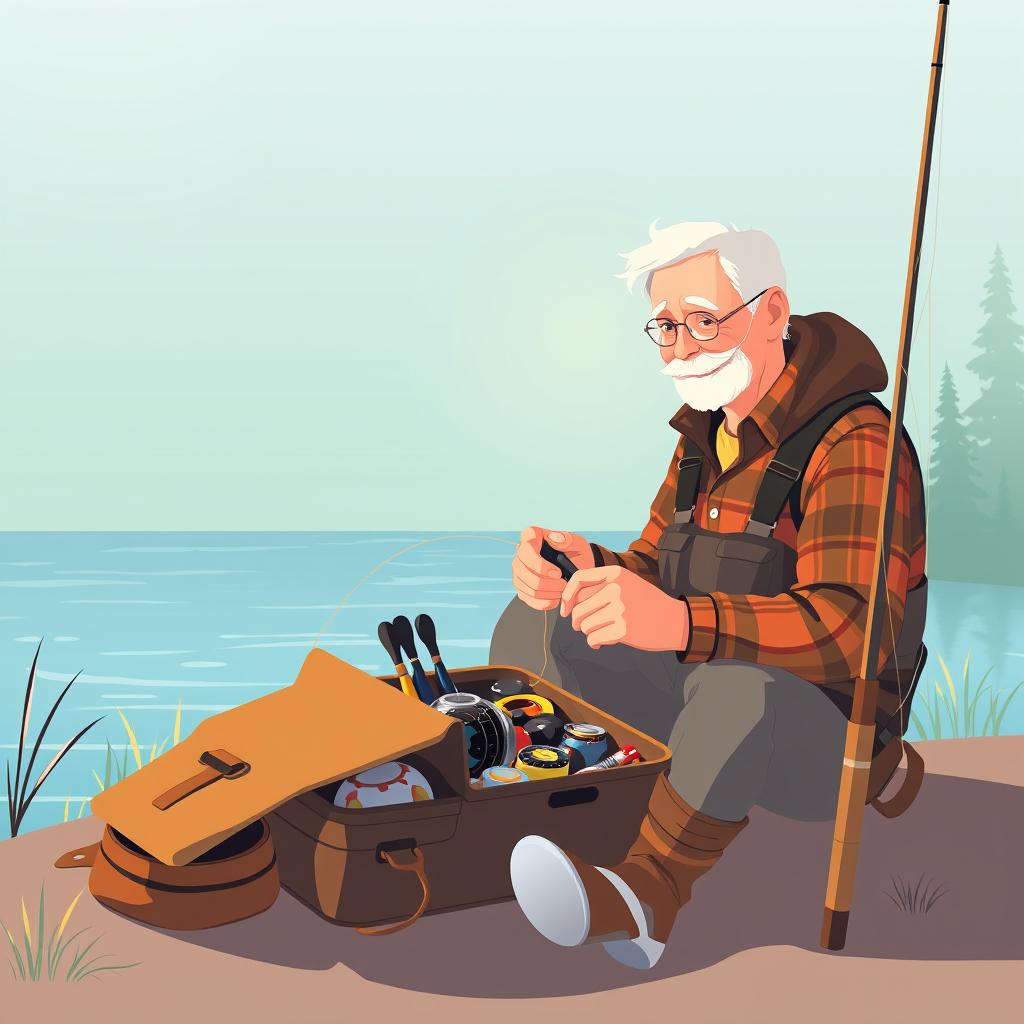
Your rod and reel combo is the heart of your fishing equipment. For beginners, I always recommend a 7-foot medium-action spinning rod paired with a quality spinning reel. This combination gives you the perfect balance of control and casting distance without being too heavy for extended use.
🎣 Best Starter Combo — Ugly Stik GX2
Nearly indestructible graphite composite rod that bends without breaking. Perfect weight for seniors and comes pre-spooled with line.
⚡ Budget-Friendly Option — Shakespeare Catch More Fish
Complete combo under $30 that includes tackle box and basic lures. Great for testing the waters before investing more.
Line, Hooks, and Terminal Tackle
Your fishing line connects you directly to the fish, so don’t skimp here. Start with 6-8 pound test monofilament line — it’s forgiving, easy to tie, and perfect for learning. Monofilament stretches slightly, which helps prevent break-offs when you’re still learning how to fight fish.
For hooks, keep it simple with a variety pack that includes sizes 6, 8, and 10. These smaller hooks work great for bluegill, crappie, and smaller bass. Add a few larger 2/0 hooks for catfish or bigger bass. Aberdeen hooks are perfect for live bait fishing since they’re thin and penetrate easily.
Essential Terminal Tackle
- Split shot weights: Assorted sizes from BB to 3/0 for getting your bait down
- Egg sinkers: 1/4 to 1/2 ounce for bottom fishing
- Bobbers: Round red and white floats in small and medium sizes
- Swivels: Size 10 barrel swivels prevent line twist
- Snaps: Make changing lures quick and easy
Bait and Lure Selection
Live bait consistently outperforms artificial lures for beginners. Nightcrawlers (earthworms) are your best friend — they catch everything from bluegill to bass to catfish. Keep them in a small cooler with damp newspaper or commercial bedding.
🪱 Live Bait Essentials — Nightcrawlers
Universal freshwater bait that works in any season. Pick up a small container from any bait shop for $2-3.
🦗 Alternative Option — Crickets
Bluegill and crappie can’t resist them. Great for teaching kids and grandkids the basics of bait fishing.
For artificial lures, start with three proven winners: a small spinnerbait (1/4 ounce white or chartreuse), a few soft plastic worms in natural colors, and a couple of small crankbaits. These cover most fishing situations you’ll encounter.
Comfort and Convenience Items
Fishing should be relaxing, not exhausting. Pack items that keep you comfortable during long hours by the water. A good folding chair with back support makes all the difference when you’re settling in for a peaceful afternoon of fishing.
- Folding chair: Look for one with a cup holder and side pocket
- Small cooler: Keep drinks cold and store your catch
- Tackle box: Start with a basic two-tray box that organizes everything
- Pliers: Essential for removing hooks safely
- Net: Makes landing fish much easier and safer
- Fillet knife: Only if you plan to keep and cook your catch
Safety and Weather Preparation
Safety should never be an afterthought, especially when fishing alone or in unfamiliar waters. Sun protection is crucial since you’ll be exposed for hours with reflection off the water doubling UV exposure.
Weather Protection Essentials
- Wide-brimmed hat: Protects face and neck from sun
- Polarized sunglasses: Reduce glare and help you see fish
- Sunscreen SPF 30+: Reapply every two hours
- Light rain jacket: Weather can change quickly on water
- First aid kit: Basic bandages and antiseptic for hook injuries
Lasts for years
Good equipment pays for itself through reliability and durability.
Better fishing experience
Quality gear works when you need it most, leading to more successful trips.
Easier to use
Well-designed equipment is more intuitive and forgiving for beginners.
Frequent breakdowns
Cheap reels and rods often fail at the worst possible moments.
Frustrating to use
Poor quality equipment can turn a relaxing hobby into a source of stress.
Packing Your Gear
Organization is key to enjoying your fishing trip. Pack your tackle box methodically, with frequently used items in easy-reach compartments. Keep hooks and weights in separate sections to avoid tangles, and store soft plastics in their original packages to prevent them from melting together.
Consider investing in a fishing vest or tackle bag that lets you carry essentials hands-free. This is especially helpful when wading or walking between fishing spots. Load it with extra line, a few hooks, split shot, and pliers — everything you need for quick repairs or adjustments.
How much should I spend on my first fishing setup?
Plan to spend $75-150 for a quality rod, reel, line, and basic tackle. This gives you equipment that will last for years and grow with your skills. You can always add specialized gear later.
Do I need different gear for different fish species?
Not initially. A medium-action spinning setup with 6-8 lb line will handle 90% of freshwater fish you’re likely to encounter as a beginner. Specialize once you discover your favorite target species.
What’s the most important item beginners forget?
Pliers for safely removing hooks. Nothing ruins a fishing trip faster than not being able to remove a hook from a fish or (occasionally) yourself. Quality fishing pliers are worth their weight in gold.
Should I buy gear online or at a local tackle shop?
Visit a local shop for your first purchase. Staff can provide valuable advice and let you handle equipment before buying. Online shopping is great once you know what you want and need specific items.
Final Thoughts
Remember, the best fishing gear is the equipment you’ll actually use. Start with these essentials and add specialized items as you discover what type of fishing you enjoy most. Every angler’s gear collection grows over time — there’s no rush to buy everything at once.
Focus on building a solid foundation with quality basics rather than collecting every gadget in the tackle shop. The fish don’t care if your tackle box costs $50 or $500 — they care about presentation and persistence. Get out there with confidence knowing you have everything needed for a successful day on the water.