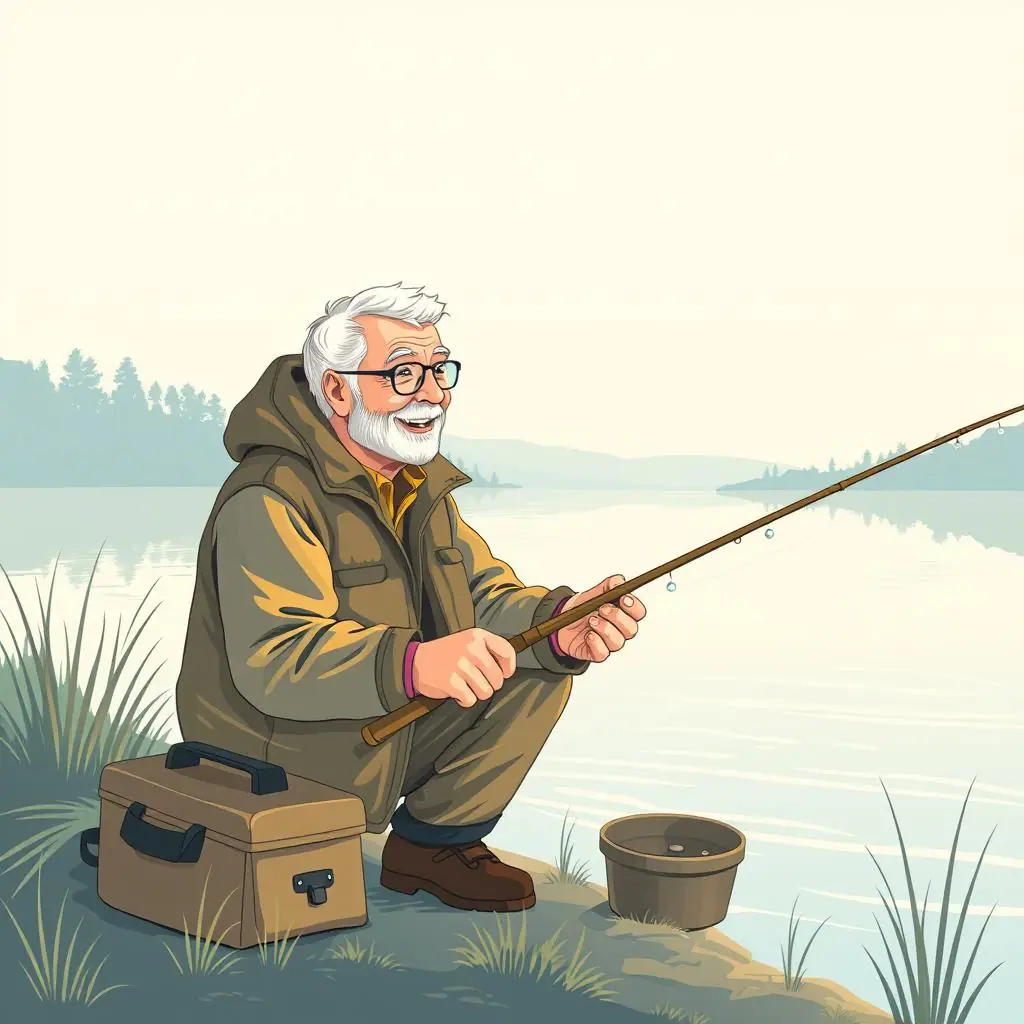
Evening summer fishing can be one of the easiest ways to enjoy the water without fighting the hottest part of the day. The light softens, the bank starts to cool, and a short trip after dinner can feel more relaxed than a long midday outing.
For beginners, adults 50+, grandparents, and families, the goal is not to squeeze every minute out of the evening. The goal is to choose a comfortable spot, fish the changing light, and leave before darkness makes the walk back, knots, or footing harder than they need to be.
Why Evening Summer Fishing Matters
Summer fishing often asks anglers to work around heat. Midday can bring bright glare, warm banks, heavy boat traffic, and tired fish that hold tight to shade or deeper water. Evening gives you a second chance at a comfortable trip.
As the sun drops, shallow areas may become less harsh. Small fish and insects often get more active near banks, weeds, docks, and current seams, and larger fish may move closer to feed. You still need realistic expectations, but the evening window can make a local pond, lake, or slow river feel alive again.
If you want the broader timing picture, ReelHow's guide to the best times to fish explains how low light can affect daily fishing rhythm. This article focuses on the summer evening version: how to keep the outing simple, safe, and pleasant.
Start With a Cooler, Safer Plan
A good evening trip starts before you leave home. Check the weather, sunset time, parking rules, access hours, and your route back to the car. Evening is relaxing only when you know where you are walking after the light fades.
Pick a short trip on purpose
Two relaxed hours can be better than a long session that ends with tired legs and dim light. Choose one pond, one dock, one bank trail, or one small stretch of river instead of trying to cover every spot.
Know the closing time
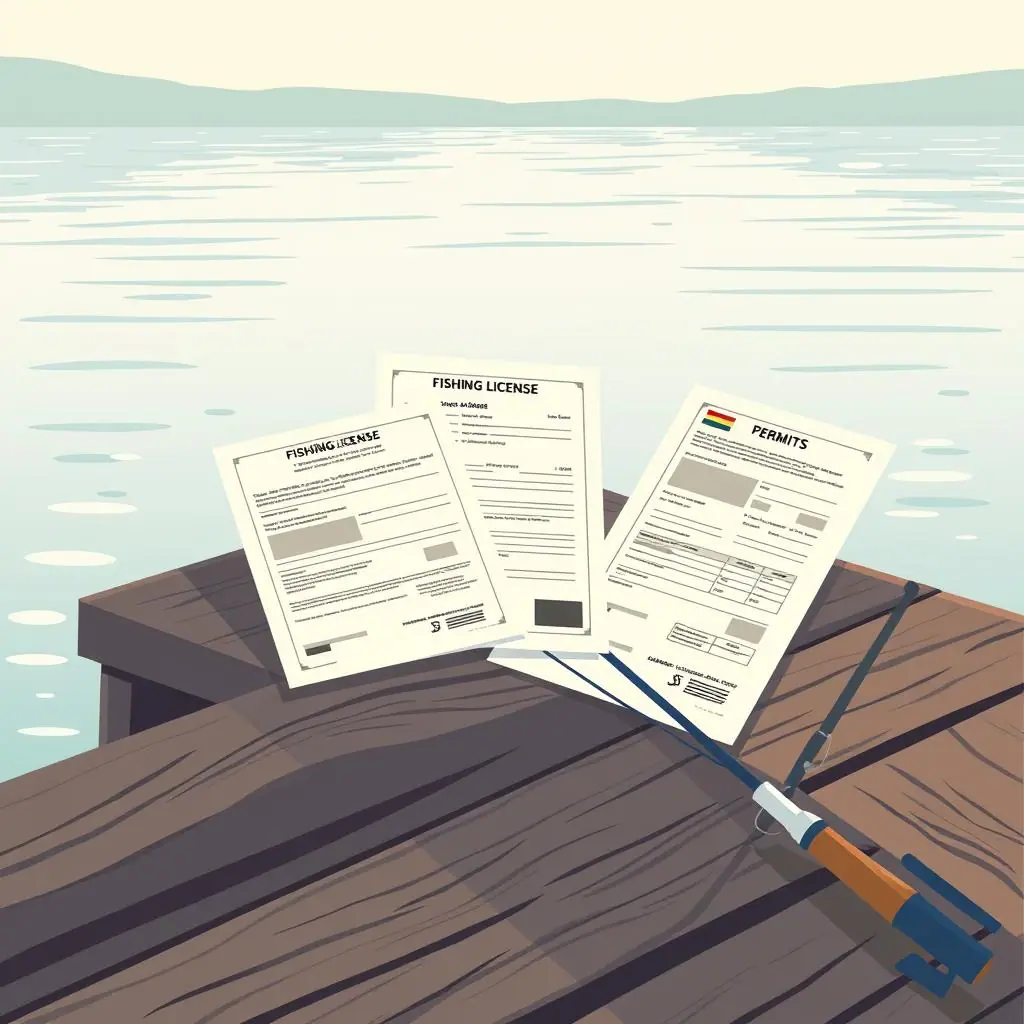
Some parks, boat ramps, and public areas close at sunset or have special evening rules. State fish and wildlife agencies publish the local details that matter most, including licenses, seasons, harvest rules, and water-specific notices. For example, the New Jersey Division of Fish and Wildlife maintains an official freshwater fishing information page; use your own state's equivalent before assuming evening access is open.
What to Check First Before You Cast
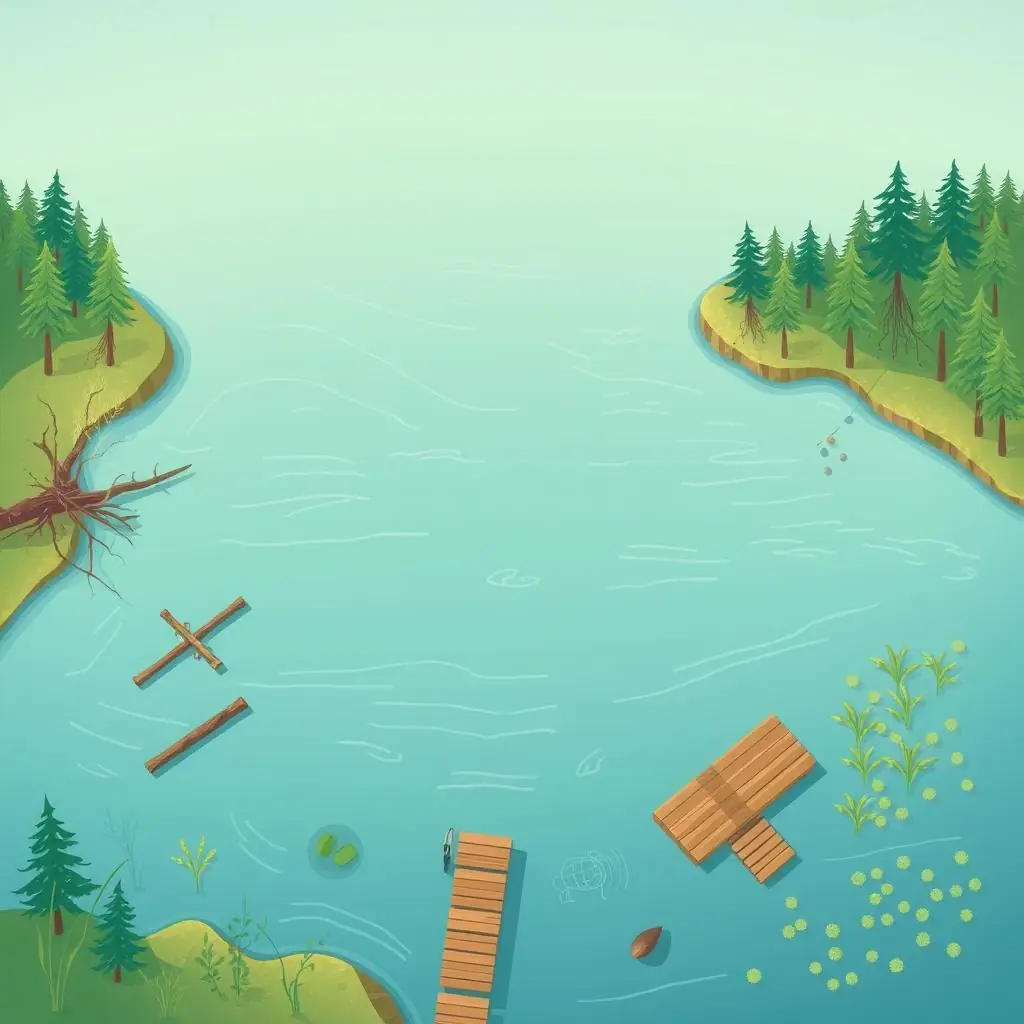
Before tying on three different lures, take two quiet minutes to read the water. Evening summer fishing rewards simple observation. Look for shade, surface dimples, baitfish flickers, insects, small bluegill pecks, or a bass swirl near the edge.
- Light level: fish the shady bank first, then follow shade as it stretches across the water.
- Wind direction: a light breeze can push insects and small food toward one bank.
- Easy footing: choose stable ground now, not after the path gets dim.
- Nearby depth: shallow water beside a drop-off lets fish move in and out as light changes.
- Exit route: make sure your walk back is simple, visible, and not blocked by weeds, rocks, or mud.
For more seasonal context, ReelHow's article on summer fishing while staying cool covers heat, comfort, and timing across the whole day. Evening uses the same idea in reverse: wait until conditions become kinder, then fish with a small plan.
How to Handle Evening Summer Fishing Step by Step
Keep the evening plan plain. A spinning rod, small tackle tray, pliers, clippers, water, bug spray, a headlamp or flashlight, and a phone with enough battery are enough for most beginner trips from the bank.
Step 1: Start with an easy rig
A worm under a bobber, a small jig, a tiny spinner, or a soft plastic near the bank can all work. Choose one presentation you can cast accurately. In low light, clean placement matters more than fancy tackle.
Step 2: Fish edges before open water
Start around docks, weed edges, riprap, overhanging trees, gentle current, or the darker side of the bank. Fish often use these areas as evening feeding lanes. Make a few quiet casts before walking right up to the edge.
Step 3: Slow down as the light changes
When the sun gets low, fish may follow movement but miss fast lures. Try a slower retrieve, a longer pause, or a bobber set a little shallower near cover. Change one thing at a time so you know what helped.
Step 4: Set a pack-up trigger
Decide ahead of time when you will leave: twenty minutes before dark, when the parking lot lights come on, when bugs become too much, or when you need a flashlight to retie. That trigger protects the relaxed feeling of the trip.
Common Evening Fishing Mistakes to Avoid
The most common mistake is treating evening like a race. Anglers rush from spot to spot, retie constantly, and stay too late because the air finally feels nice. That turns a peaceful window into a scramble.
- Waiting too long to start: arrive with enough daylight to rig, walk, and make your first casts calmly.
- Fishing unsafe footing: slick rocks, muddy banks, and steep slopes get harder as light fades.
- Ignoring bugs: bring simple protection so mosquitoes do not end the trip early.
- Forgetting rules: evening or night access may be different from daytime access on some waters.
- Overpacking: too much gear makes the walk back slower and increases the chance of leaving something behind.
If you like comparing timing windows, ReelHow's guide to moon phases and fishing can help you think about evening conditions without making the plan too complicated. Use it as background, not as a reason to ignore weather, access, or comfort.
Pros and Cons of Evening Summer Fishing
Cooler air and softer light
The evening often feels more comfortable than midday, especially for short bank trips and family outings.
Fish may move shallow
As glare fades, fish can become more willing to feed near weeds, docks, shade lines, and bank edges.
Short trips fit real life
An after-dinner session can be easier to repeat than a full day on the water in summer heat.
Light disappears quickly
Knots, footing, hook removal, and packing gear become harder when you wait too long to leave.
Access rules can vary
Some parks, refuges, docks, and ramps have sunset closures or special permits for later fishing.
A Simple Evening Fishing Checklist
Use this checklist before you leave home and again before the first cast.
- Rules checked: confirm license, access hours, bait rules, size limits, and harvest rules for your exact water.
- Sunset checked: know when light fades and set a pack-up time before that.
- Light packed: bring a headlamp or flashlight even if you plan to leave early.
- Water packed: drink before you get thirsty, especially after a hot day.
- Bug plan ready: bring repellent or lightweight clothing that keeps mosquitoes off your skin.
- One rig chosen: start with a bobber, small jig, spinner, or soft plastic you can fish confidently.
When to Get Extra Help
Ask a state fish and wildlife agency, park office, local marina, or trusted tackle shop if you are unsure about evening access, local limits, or whether a specific spot is safe after sunset. Do not guess on rules because a trip feels casual.
Ask for practical help too. If you are fishing with a grandchild or a newer angler, agree on the pack-up time together. If someone feels tired, dizzy, overheated, unsure about the path, or uncomfortable with the fading light, the right move is to end the trip early.
Frequently Asked Questions
What should I check first for evening summer fishing?
Check sunset time, access rules, weather, and your walk back before choosing a lure. A safe, easy exit route matters more than any single bait choice.
How long should an evening fishing trip be?
For beginners, one to two hours is plenty. Arrive with daylight, fish the comfortable window, and pack up before you need to rush in the dark.
What should I do if I am not sure evening access is allowed?
Check the official park, lake, refuge, or state agency information before you go. If the rule is unclear, call the office or choose a spot with posted, familiar access hours.
Can I change the plan if fish are not biting?
Yes. Try a slower retrieve, fish closer to shade or weeds, change depth, or move once. If the light is fading or comfort drops, ending early is still a good decision.
Final Thoughts
Evening summer fishing is a calm way to enjoy the water after the day cools down. Keep the plan short, check the rules, fish edges and shade, and leave while the walk back still feels easy.
Do that a few times and the evening trip becomes simple: a prepared rod, a quiet bank, softer light, and a relaxed finish to the day.