
The moment after you set the hook is when the real fishing begins. Now you’re connected to a living, breathing fish that wants nothing more than to get away from you — and this is where fighting fish becomes an art form. Whether you’ve hooked a scrappy bluegill or a powerful bass, how you handle the next few minutes determines whether you land your catch or watch it swim away with your tackle.
Fighting fish isn’t about overpowering them with brute force. It’s about patience, technique, and understanding fish behavior. Think of it like a dance — you lead, the fish follows, and together you work toward bringing that fish safely to shore. Let’s walk through the essential techniques that will help you successfully land more of the fish you hook.
Understanding the Fight
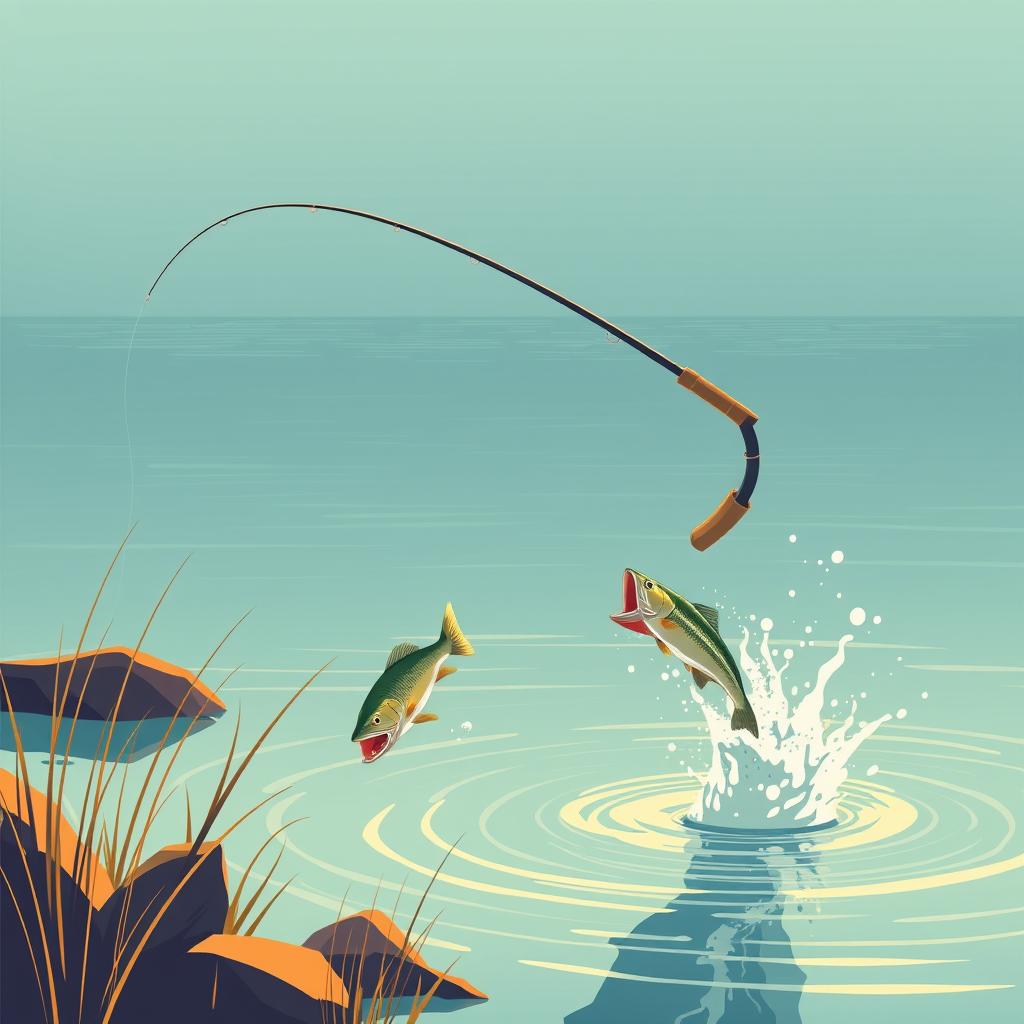
When a fish realizes it’s hooked, its natural instinct is to escape. Different species react differently — some dive deep, others jump, and some make long powerful runs. Your job is to manage this energy while gradually wearing down the fish until you can bring it to shore.
Understanding what’s happening during the fight helps you react appropriately:
- Initial panic: Most fish will make their strongest moves right after being hooked
- Energy expenditure: Fish burn oxygen quickly during intense fighting
- Fatigue cycle: Fish alternate between bursts of energy and periods of calm
- Survival instinct: As fish tire, they often make desperate last-ditch efforts to escape
Remember, fish are cold-blooded animals fighting for their lives. They’ll use every ounce of energy they have, but that energy is limited. Your patience and proper technique will outlast their strength every time.
Essential Fighting Techniques
Successfully fighting fish requires mastering several fundamental techniques that work together to give you control of the situation.
Drag Control Basics
Set your drag properly: Before you even cast, set your drag to about 25-30% of your line’s breaking strength. For 10-pound line, that’s roughly 2.5-3 pounds of pressure. This allows line to pull out when a fish makes a strong run, preventing breakage.
Let the drag work: When a fish makes a powerful run, don’t try to stop it by gripping your reel handle tighter. Let the drag do its job by allowing line to peel out smoothly. Fight the urge to clamp down — this usually results in broken line or pulled hooks.
Adjust during the fight: You can tighten your drag slightly as the fish tires, but make small adjustments. Never loosen drag while a fish is running — wait for a calm moment.
Rod Position and Pressure
Keep your rod tip up: Maintain your rod at roughly a 45-60 degree angle. This uses the rod’s flex to absorb sudden movements and prevents the line from breaking under pressure.
Use side pressure: When a fish runs straight away from you, try applying sideways pressure to change its direction. This often confuses the fish and breaks up its rhythm.
Pump and wind technique: Lift the rod to put pressure on the fish, then lower it while reeling to gain line. This method is less tiring for you and more effective than constant reeling pressure.
Reading Fish Behavior During the Fight
Different fish species fight in predictable ways. Learning to read these patterns helps you anticipate their moves and respond appropriately.
Common Fighting Patterns
Deep divers (catfish, carp): These fish head straight down and try to wrap your line around underwater structure. Apply steady upward pressure and try to lift them away from cover.
Runners (bass, trout): Fish that make long, fast runs need room to run. Let them go, maintain pressure, and reel them back when they pause. Don’t try to stop a determined run.
Jumpers (bass, pike): When fish jump, immediately lower your rod tip to create slack. This prevents them from using their weight and gravity to tear the hook out. Raise the rod again as soon as they hit the water.
Head shakers (bluegill, perch): Small fish often try to shake the hook loose with rapid head movements. Keep steady pressure and reel consistently — don’t give them slack to work with.
Common Fighting Mistakes
Even experienced anglers sometimes lose fish due to poor fighting technique. Recognizing these mistakes can dramatically improve your landing rate.
Horsing the fish
Trying to force a fish in with excessive pressure often results in broken line, bent hooks, or torn mouth tissue.
Giving too much slack
Letting the line go completely loose allows fish to shake the hook or wrap around structure.
Panicking when fish jumps
Maintaining tight line when a fish is airborne often results in the fish throwing the hook.
Stay patient and calm
Let the fish tire itself out while you maintain steady, consistent pressure. Time is on your side.
Maintain constant contact
Keep enough tension to feel the fish but not so much that you’re forcing the issue.
React to fish behavior
Adjust your technique based on what the fish is doing. Stay flexible and responsive.
The Final Approach: Landing Your Fish
The last moments of fighting fish are often when things go wrong. Fish make desperate final efforts to escape, and many anglers lose their catch at the very end by rushing the process.
Signs the Fish is Ready
Steady swimming: The fish moves in controlled circles rather than making sudden bursts or runs.
Surface oriented: Fish that are truly tired will often come to the surface and stay there.
Side position: A fish swimming on its side is usually exhausted and ready to be landed.
Reduced resistance: You can easily guide the fish’s direction without strong opposition.
Landing Techniques and Tools
How you actually bring the fish to shore depends on your situation, the size of the fish, and the equipment you have available.
- Hand landing: For smaller fish, guide them close and grab behind the gills or by the lower jaw (bass). Never squeeze the body or grab by the tail.
- Beach landing: In shallow water, guide fish into very shallow water where they can’t swim effectively, then secure them.
- Net usage: Lead the fish head-first into the net. Don’t chase them with the net — bring the net to a tired fish.
- Lip grippers: These tools work well for toothy fish like pike or when you want to avoid handling fish directly.
Frequently Asked Questions
How long should it take to land a fish?
It varies by species and size, but most fish under 2 pounds should be landed within 3-5 minutes. Larger fish might take 10-15 minutes or more. The key is steady progress, not speed.
What should I do if my fish jumps?
Immediately lower your rod tip to create slack line — this is called “bowing to the fish.” Raise the rod again as soon as the fish hits the water. This prevents the fish from using its weight to tear the hook out.
How do I know if my drag is set correctly?
Pull line by hand — it should come out with firm pressure but not be locked down tight. A general rule is 25-30% of your line’s breaking strength. You should be able to pull line out, but it shouldn’t come easily.
Why do I keep losing fish right before landing them?
This usually happens from rushing the final approach. Fish often make their strongest escape attempts when they see you or feel shallow water. Stay patient and let them make one more run if needed.
Building Confidence in Fish Fighting
Every fish you successfully land teaches you something new about fighting technique. Pay attention to how different species behave, what techniques work best in various situations, and how your equipment responds under pressure.
Start with smaller fish to build your confidence and technique. A scrappy bluegill can teach you as much about drag control and patience as a large bass. The fundamentals remain the same regardless of size — it’s just a matter of scale.
Remember that losing fish is part of learning. Even professional anglers lose fish regularly. Each lost fish teaches you something about what not to do next time. The goal is steady improvement, not perfection.
Most importantly, enjoy the fight! This is often the most exciting part of fishing — that direct connection between you and a wild fish. With proper technique and patience, you’ll land more fish and create better fishing memories.