Fishing after rain can be wonderful, confusing, or simply not worth the trouble depending on what the storm did to the water. A gentle shower may cool the bank, add oxygen, and get insects and small bait moving. A hard downpour can turn a peaceful pond into muddy water with slick footing and unsafe runoff.
For beginners, adults 50+, grandparents, and relaxed weekend anglers, the question is not just, will fish bite after rain? The better question is, is the water safe, clear enough, and comfortable enough for the kind of fishing I want to do today?
Why Fishing After Rain Matters
Rain changes freshwater in several ways at once. It can cool shallow water, dim the light, wash insects from grass and trees, stir up scent, and make fish feel more comfortable moving near banks. That is why many anglers like the window right after a soft summer rain.
But rain can also make fishing harder. Heavy runoff may muddy the water, carry debris, raise creeks quickly, and make banks slippery. In those conditions, the safest and most productive decision may be to wait a few hours or even a day.
If you want the bigger weather picture, ReelHow's guide to bad weather fishing explains how to make calm choices when conditions are not perfect. This article focuses on the rain-afterward decision: when it helps, when it hurts, and what to check before you cast.
Start With Safety Before the Bite
Before thinking about lures or bait, think about the storm itself. Rain is not the main danger. Lightning, fast water, poor footing, falling limbs, and low visibility are bigger concerns.
The National Weather Service reminds outdoor users that thunder means you should get indoors and wait until the storm has passed. Their lightning safety guidance is worth taking seriously around lakes, rivers, docks, and open banks because fishing rods, wet ground, and exposed shorelines are a bad combination.
Give moving water extra respect
Small creeks and rivers can rise fast after rain. Even if the bank looks familiar, current speed, slippery mud, and floating debris can change the trip. If water is rising, brown, loud, or pushing hard against rocks and bridge pilings, choose a pond, a protected bank, or another day.
Check the ground you must stand on
Fishing after rain often means muddy paths, slick boat ramps, wet grass, and loose rocks. If you need both hands to balance while carrying gear, that spot is not beginner-friendly today. Pick a flat dock, gravel bank, paved access, or a place you already know well.
When Rain Helps Fishing After Rain
Light rain can improve a short fishing trip, especially in warm weather. Clouds reduce glare, surface noise can make fish less cautious, and fresh water entering a pond or lake may move insects, worms, and small food into reachable areas.
This can be especially useful in summer. If the day has been hot and bright, a soft rain followed by overcast skies may make banks and shallow cover feel comfortable again. ReelHow's article on summer fishing while staying cool covers that comfort-first mindset for hot days; after rain, use the same idea and look for kinder conditions.
- Light rain: often worth trying if there is no thunder and the bank stays safe.
- Steady overcast after rain: can keep fish moving longer because the light is softer.
- Small inflows: water trickling into a pond or lake can gather insects, minnows, and feeding fish.
- Warm summer showers: may cool the shallows enough to make fish and anglers more comfortable.
- Clear or lightly stained water: still lets fish find natural bait, small spinners, and simple bobber rigs.
When to Wait After Rain
Sometimes waiting is the smartest fishing move. Muddy water, fast current, thunder nearby, floating debris, and unsafe access can turn a simple trip into a frustrating one.
Wait if the water looks like chocolate milk, if you cannot see shallow cover, or if fresh runoff is pouring in from parking lots, ditches, or fields. Fish may still feed in stained water, but beginners usually have a better time when they can see the bank, control the cast, and understand what their bait is doing.
Be careful with local rules and closures
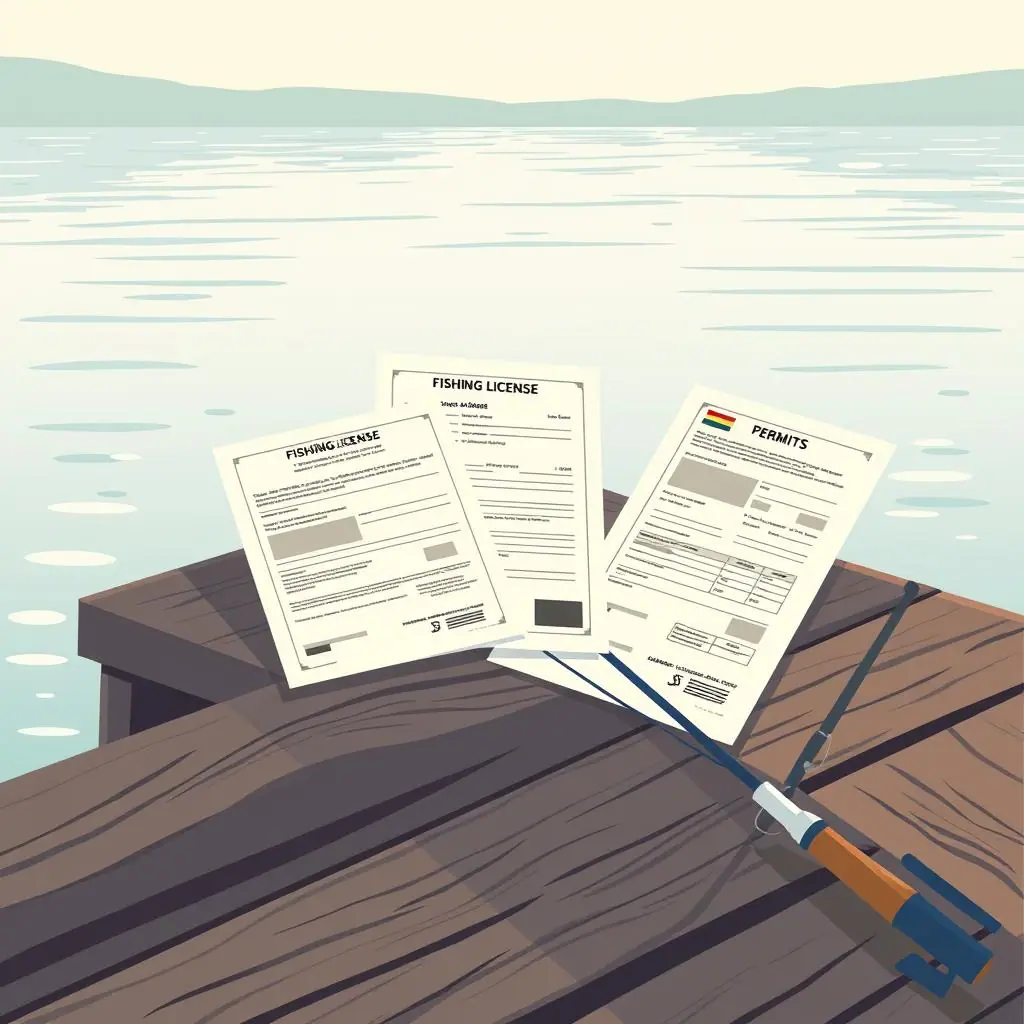
Rain can affect access, boat ramps, parks, and water-specific advisories. The U.S. Fish and Wildlife Service notes that fishing license rules vary by state and anglers should check state-specific requirements through official sources. Their fishing license page is a useful starting point, but your own state agency or local park page is the place to verify exact rules before a trip.
How to Fish After Rain Step by Step
Keep the plan simple. You do not need a special rain box full of tackle. You need safe footing, a clear target, and a bait or lure that fish can find in the conditions you actually see.
Step 1: Look at the water color
If the water is clear to lightly stained, start with familiar presentations: a worm under a bobber, a small spinner, a jig, or a soft plastic near cover. If the water is muddy, use something fish can sense more easily, such as a scented bait for catfish, a darker soft plastic, or a lure with vibration.
Step 2: Fish where fresh water enters
Small drains, culverts, trickles, creek mouths, and shaded inflows can collect food after rain. Do not stand in fast water or fish dangerous runoff, but do make a few careful casts around safe edges where fresh water meets the pond or lake.
Step 3: Slow down and stay close to cover
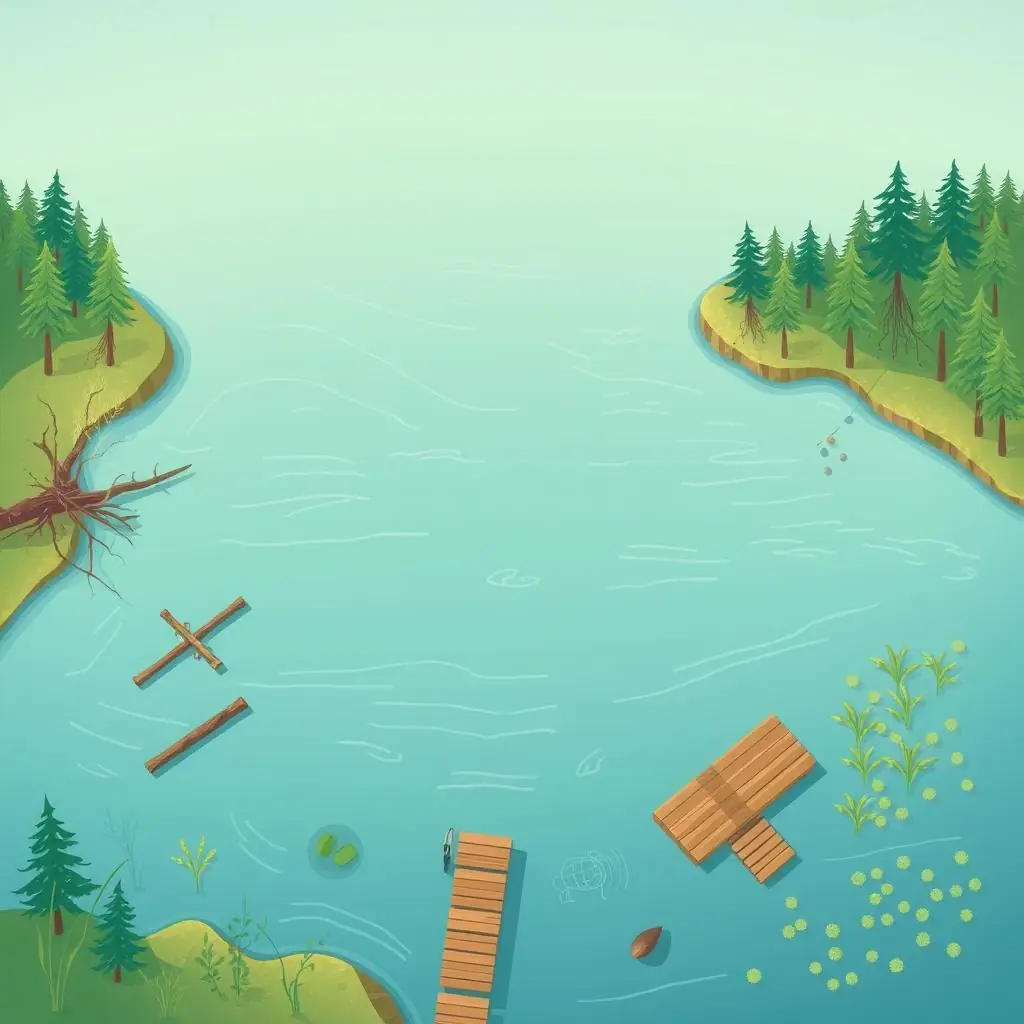
After rain, fish may hold near weeds, docks, rocks, fallen trees, and bank edges where food gets washed in. Make shorter casts before walking right up to the water. Let the spot settle, then work it patiently.
Step 4: Change only one thing at a time
If you do not get bites, change depth, retrieve speed, color, or location one at a time. Beginners often change everything at once and never learn what helped. Give each simple adjustment a fair try.
Common Mistakes to Avoid
The biggest mistake is assuming every rain makes fishing better. Rain is a condition, not a guarantee. Some showers help. Some storms make the water unsafe or unproductive for a while.
- Ignoring thunder: if you hear thunder, stop fishing and seek safe shelter.
- Standing on slick banks: a fish is not worth a fall on wet rocks, mud, or steep grass.
- Fishing water that is rising fast: moving water after rain can change quickly and should not be treated casually.
- Using tiny natural colors in muddy water: when visibility drops, fish may need scent, vibration, or stronger contrast.
- Forgetting the rules: check licenses, access hours, bait rules, and water-specific notices before assuming a rainy-day spot is open.
For timing ideas beyond rain, ReelHow's guide to the best times to fish can help you pair weather with low-light windows. Use timing as a helpful clue, then let safety and water conditions make the final call.
Pros and Cons of Fishing After Rain
Fish may move closer
Soft light, cooler shallow water, and washed-in food can bring fish toward banks, weeds, inflows, and docks.
Comfort can improve
After a warm rain, the air may feel cooler and less harsh than bright midday sun.
Simple baits can work well
Worms, bobbers, small spinners, and scented baits often make sense because rain moves natural food around.
Safety can change quickly
Lightning, rising current, slick banks, debris, and poor footing can make a familiar spot unsafe.
Muddy water can frustrate beginners
When visibility drops hard, it is harder to place casts, read the water, and know whether fish can find your bait.
A Simple After-Rain Checklist
Use this quick checklist before you leave home and again when you reach the water.
- Thunder gone: no thunder, no visible lightning, and no storm moving toward you.
- Water stable: no fast rise, heavy debris, dangerous current, or flooded access path.
- Footing safe: flat, firm ground where you can stand and walk without rushing.
- Clarity checked: clear or lightly stained water means natural presentations; muddy water means scent, vibration, or waiting.
- Rules checked: license, access hours, bait rules, harvest limits, and any local closure are confirmed.
- Exit plan ready: you know when to leave and how to get back to the car safely.
When to Get Extra Help
Ask a state fish and wildlife agency, park office, local bait shop, marina, or experienced local angler if you are unsure about access after heavy rain. Local knowledge matters because one pond may drain quickly while another stays muddy for days.
If you fish with a grandchild or another beginner, make the safe decision easy to say out loud: we can always come back tomorrow. A postponed fishing trip is better than a slippery bank, a stormy sky, or water you do not trust.
Frequently Asked Questions
Is fishing after rain usually good?
It can be, especially after light rain with cloudy skies and safe banks. Heavy rain, muddy runoff, lightning, or rising water are reasons to wait.
How long should I wait after a storm?
Wait until lightning and thunder are gone, the water is not rising, and access feels safe. After hard rain, waiting several hours or a full day may give you clearer, calmer water.
What bait works after rain?
In clear or lightly stained water, worms, bobbers, small spinners, and soft plastics are good beginner choices. In muddy water, try stronger scent, vibration, or darker contrast.
Should beginners fish rivers right after rain?
Be cautious. Rivers and creeks can rise and speed up quickly after rain. Beginners are usually better off choosing a pond, lake bank, dock, or waiting for safer water.
Final Thoughts
Fishing after rain works best when you treat the weather as information, not a dare. Light rain can help by cooling the shallows, moving food, and softening the light. Heavy rain can make the same water muddy, slippery, and unsafe.
Start with safety, read the water color, choose one simple presentation, and leave yourself an easy exit. That calm routine will help you enjoy the good after-rain windows and skip the ones that are better saved for tomorrow.