
You know that feeling when you hook into a beautiful bass after a patient morning on the water? Your heart races, the fish fights strong, and you’re filled with pride at your success. But then comes the big question: keep it or let it go?
Catch and release fishing isn’t just about following regulations—it’s about being a steward of our waters. When done right, it ensures that fish populations stay healthy and that your grandchildren will have the same fishing opportunities you enjoy today. It’s like planting trees: you might not see all the benefits immediately, but you’re investing in the future.
Whether you’re new to fishing or want to improve your conservation practices, understanding proper catch and release techniques is essential for every responsible angler.
What Is Catch and Release Fishing
Catch and release is the practice of catching fish and immediately returning them to the water unharmed. It’s become a cornerstone of modern fishing ethics and fish conservation efforts across North America.
The concept is straightforward: you enjoy the thrill of catching fish without depleting fish populations. Think of it like checking out a book from the library—you get to enjoy it, then return it so others can too.
- Conservation Impact: Protects breeding populations and maintains ecosystem balance
- Selective Harvest: Keep what you need, release the rest
- Species Protection: Especially important for slow-growing species like bass and pike
- Future Generations: Ensures fishing opportunities for years to come
Why Catch and Release Matters
Fish populations face increasing pressure from habitat loss, pollution, and fishing pressure. Every fish you release properly has a chance to spawn and contribute to future generations. This is particularly crucial for popular game fish like bass, which can take several years to reach maturity.
Fish and wildlife conservation agencies across the country promote catch and release because the data shows it works. Many waters that were once overfished have recovered thanks to responsible angling practices and regulations that support sustainable fishing.
Proper Catch and Release Techniques
Before You Cast
Good catch and release starts before the fish is even hooked. Use barbless hooks or pinch down the barbs on your hooks—this makes removal much easier and causes less damage to the fish’s mouth.
Consider your tackle setup too. Lighter line might feel more sporting, but it results in longer fight times that exhaust the fish. Medium-weight tackle allows you to bring fish in quickly while still enjoying the fight.
During the Fight
Keep the fight as short as possible without being too aggressive. Think of it like helping someone who’s winded after climbing stairs—you want to be efficient but not rough. Avoid letting the fish jump repeatedly, as this can cause internal injuries.
If you’re fishing from shore, try to position yourself where you can release the fish without dragging it up on rocks or sand.
Handling the Fish
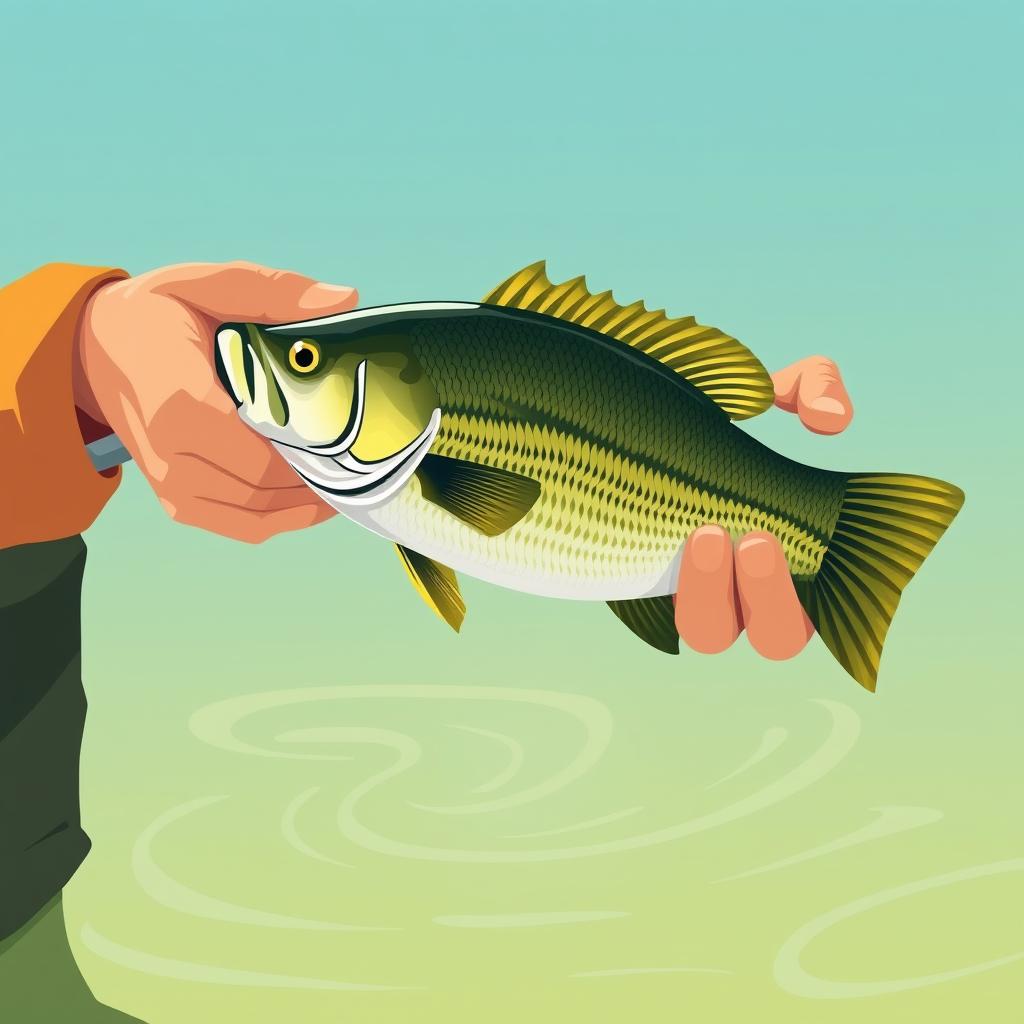
Here’s where many well-meaning anglers make mistakes. Wet your hands before touching the fish—this protects their slime coat, which is like their immune system. Support the fish horizontally, never hang it vertically by the jaw unless it’s a large bass (and even then, support the belly).
- Minimize Air Time: Keep the fish in water as much as possible
- Gentle Grip: Hold firmly but don’t squeeze—imagine holding a soap bubble
- Proper Support: One hand under the belly, one near the tail
- Quick Photos: Have your camera ready before lifting the fish
Hook Removal and Revival
Use needle-nose pliers or specialized fishing pliers to remove hooks quickly. If the hook is deep or the fish is bleeding, cut the line close to the hook rather than trying to dig it out. Fish can survive with hooks left in them, but they often don’t survive traumatic hook removal.
Before releasing, make sure the fish is fully revived. Hold it upright in the water, moving it gently forward to help water flow over the gills. The fish should swim away strongly under its own power.
Sustainable Fishing
Maintains healthy fish populations for future generations.
More Fishing Opportunities
Catch more fish when populations are healthy and abundant.
Skill Development
Focus on technique and enjoyment rather than just harvesting.
Fish Mortality
Some released fish don’t survive despite best efforts.
Learning Curve
Proper technique takes practice to master effectively.
When to Keep Fish vs. Release
Not every fish needs to be released. The key is selective harvest—keeping what you need while releasing the rest. Here’s a practical approach:
🏆 Good Candidates to Keep
Smaller fish within slot limits, fish that are deeply hooked and bleeding, and when you genuinely plan to eat them. Only take what you need for a meal.
⭐ Prime Candidates to Release
Large breeding fish, any fish during spawning season, and fish that fought particularly well. These are the genetic champions that produce the strongest offspring.
Frequently Asked Questions
Do released fish really survive?
Studies show that 85-95% of properly released bass survive. The key word is “properly”—using good technique makes all the difference.
Should I release all the big fish?
Generally yes, especially during spawning season. Large fish are the most productive breeders and contribute most to population health.
What if the fish is bleeding when I catch it?
If a fish is bleeding heavily from the gills or has deep hook wounds, it’s often better to keep it rather than release it to die slowly.
Is catch and release required by law?
Some waters have catch and release regulations, while others have size and bag limits. Always check local regulations before fishing.
Building a Conservation Mindset
The best part about developing good catch and release habits is that it changes how you think about fishing. Instead of focusing solely on bringing home dinner, you start appreciating the entire experience—the technique, the fight, the connection with nature.
It’s like shifting from being a hunter to being a wildlife photographer. You still get all the excitement and satisfaction, but you’re leaving something beautiful behind for others to discover.
Remember, every fish you release properly is an investment in better fishing for yourself and others. When you’re back on the same lake next year, some of those fish you released will be bigger, stronger, and ready to give you an even better fight.