Fishing from a dock is one of the easiest ways to enjoy freshwater fishing without hauling a boat, hiking a long shoreline, or guessing where to stand. You get a flat place to set your tackle, a good view of the water, and a built-in fish-holding structure right under your feet.
For a new angler, that is a pretty friendly setup. Docks offer shade, depth changes, pilings, ladders, boat slips, weeds, and little current breaks that attract baitfish. Where baitfish gather, bluegill, crappie, bass, perch, and catfish are usually not far behind.
What Fishing from a Dock Really Means
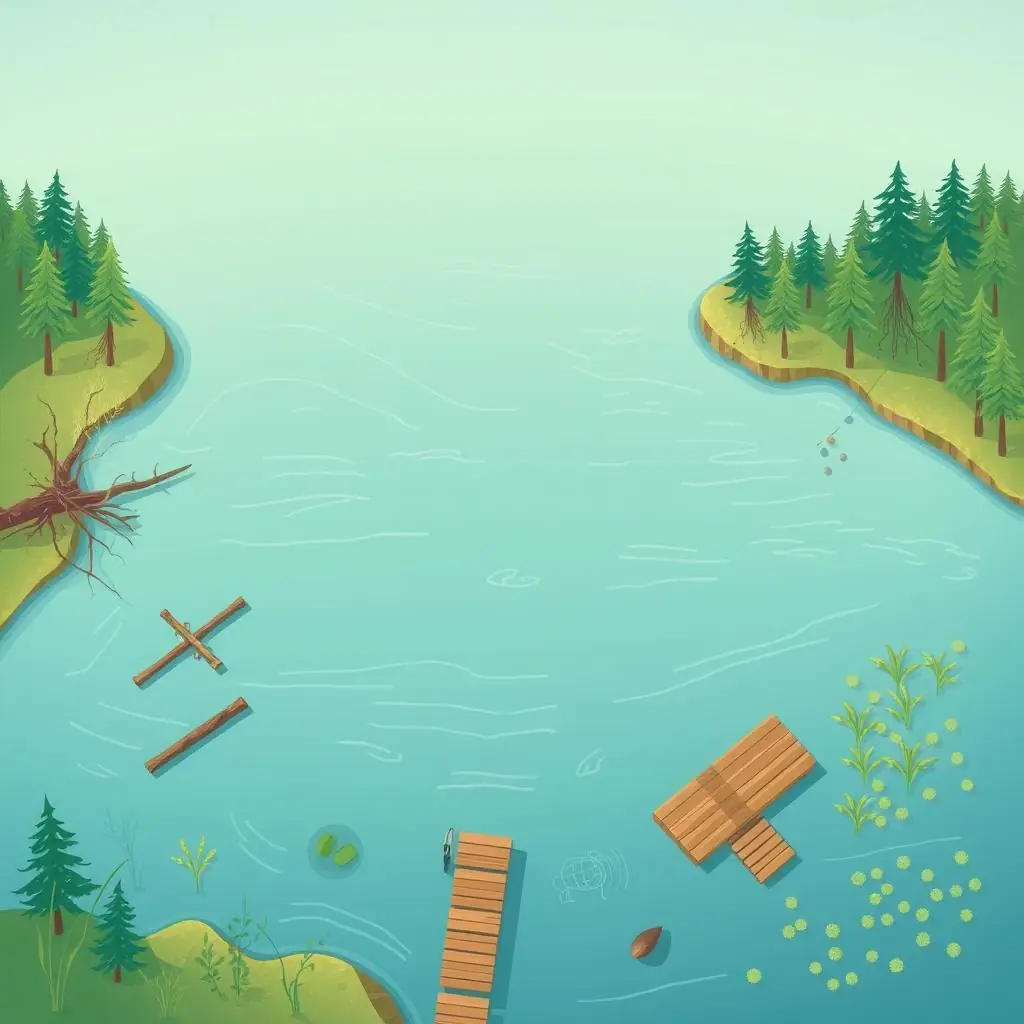
Fishing from a dock means using the dock itself as your access point and fish-finding clue. Instead of walking miles of bank or launching a boat, you work the water around the platform: corners, posts, shade lines, boat slips, and the drop-off near the end.
Think of a dock like a little underwater neighborhood. The pilings are fence posts, shade is a front porch, weeds are a garden, and deeper water is the street where fish move through. Your job is not to cast as far as possible. Your job is to put a simple bait in the places fish already want to visit.
Why Fish Like Docks
Fish use docks for three beginner-friendly reasons: comfort, food, and cover. Shade keeps the water a little cooler in summer. Wood, metal, ropes, and posts collect algae and insects, which attract tiny fish. The structure also gives bigger fish a place to hide, ambush, or rest.
- Shade: fish often tuck under the dock during bright sun, especially on clear days.
- Pilings: posts break current, grow food, and create vertical cover from top to bottom.
- Edges: corners and shade lines give fish a clear path to move and feed.
- Depth: the outer end of a dock may reach slightly deeper, cooler water than the bank.
Why Dock Fishing Is So Good for Beginners
Dock fishing is good for beginners because it removes a lot of pressure. You do not need fancy electronics, a long cast, or a tackle box full of lures. You can bring a chair, keep your gear close, and learn how fish respond to small changes.
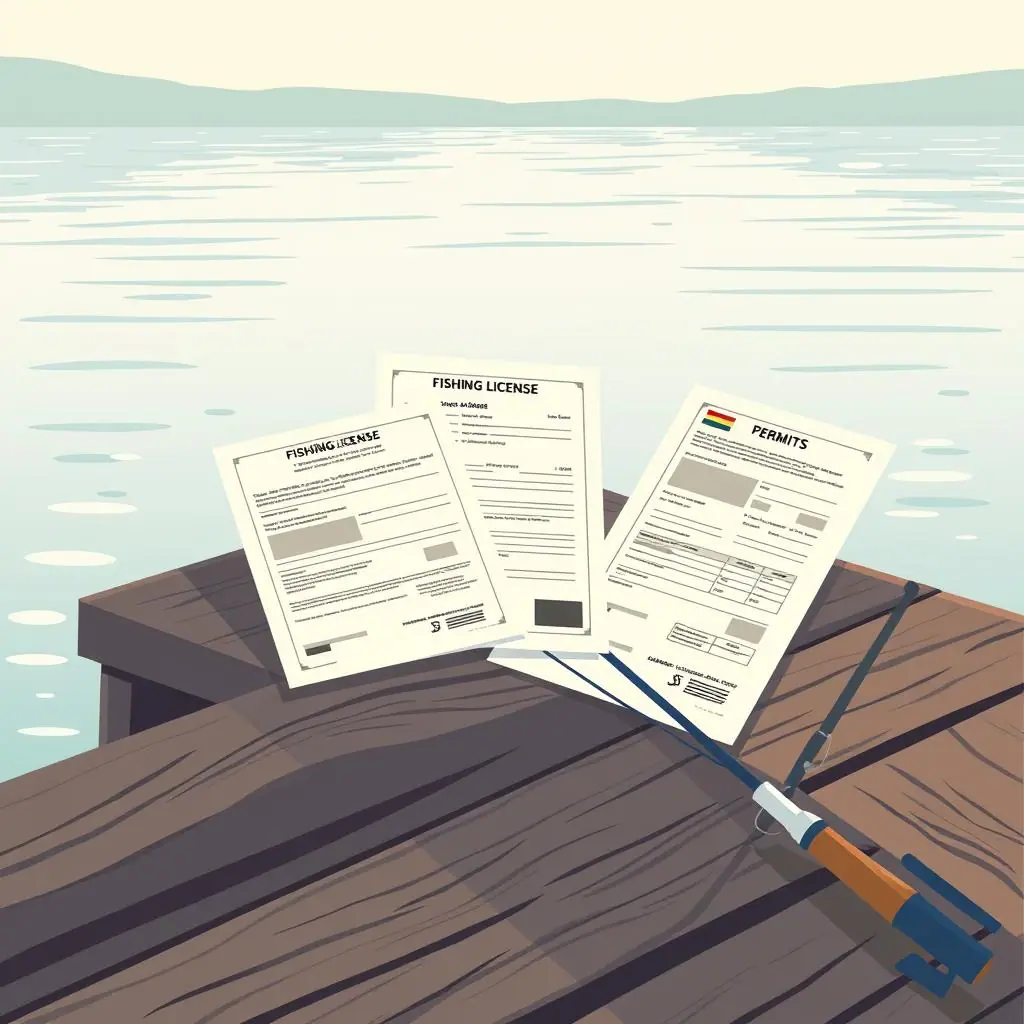
State fishing education resources often remind anglers to check licenses, follow local rules, and keep safety in mind around water. That matters on docks too. A public fishing pier may have posted hours, size limits, bait restrictions, or railings that change how you fish. A private dock requires permission before you step on it.
Easy First Setup for Fishing from a Dock
A simple spinning setup is plenty for a first dock trip. A 6- to 7-foot medium-light or medium spinning rod, 6- to 10-pound monofilament line, small hooks, split shot, and a few bobbers can handle bluegill, crappie, perch, small bass, and the occasional catfish.
A Beginner Bobber Rig
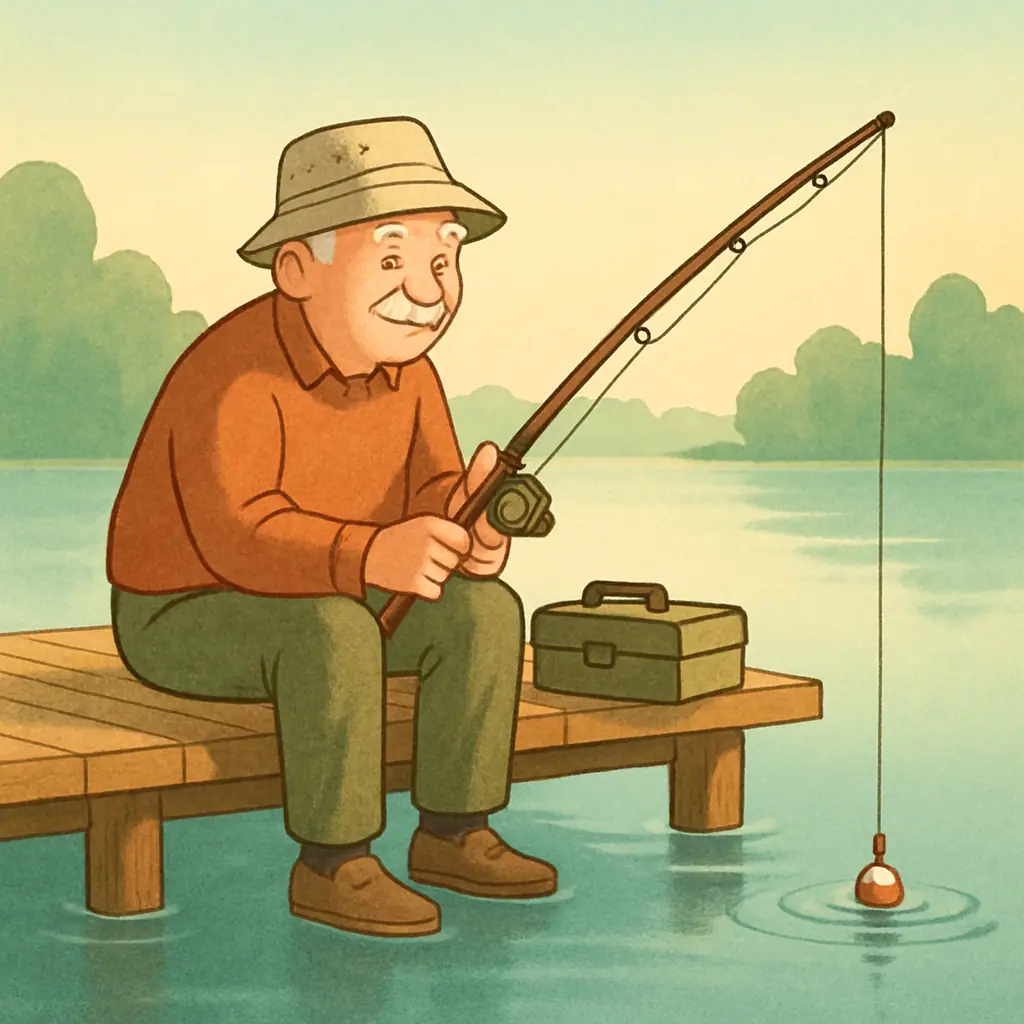
The easiest dock rig is a small hook, a worm or piece of worm, one split shot, and a bobber set 2 to 4 feet above the hook. If the water is deeper, slide the bobber higher. If weeds or snags are shallow, move it lower.
Cast gently beside a piling or just beyond the shade line. Let the bobber sit, then give it a small twitch every minute or so. If it dips, slides sideways, or disappears, lift the rod with steady pressure. You do not need a dramatic hookset for panfish.
Simple Lures That Work Around Docks
If you prefer lures, keep them small and slow. A tiny inline spinner, a small jig under a bobber, or a soft plastic grub can all work near dock edges. Cast parallel to the dock if space allows, because that keeps your lure in the strike zone longer.
- For bluegill: use a small hook, a tiny piece of worm, and a light bobber.
- For crappie: try a small jig or minnow near shade and vertical posts.
- For bass: cast a soft plastic or small spinner along the outside corners.
- For catfish: fish a worm or prepared bait near the bottom at the deeper end.
Where to Cast from the Dock
Many beginners make the same mistake: they walk to the end of the dock and cast straight out as far as possible. Sometimes that works, but often the best water is much closer. Fish may be right beside the posts, under the walkway, or along the first drop-off.
Start close and work outward. Make a few quiet casts before stomping around or dropping tackle boxes on the boards. Fish under docks can be spooky in shallow, clear water.
Start with the Corners
Dock corners are easy targets because they create edges. Fish can move from shade to open water quickly, and your bait can pass right along that transition. Cast just past the corner and bring the bait back slowly.
Try the Pilings and Shade Lines
Pilings are like underwater tree trunks. They hold insects, block light, and give fish a place to pause. Drop a bait beside the post, but be ready. If a fish bites, guide it away from the structure before it wraps your line.
Shade lines are also worth attention. On sunny days, fish may sit just inside the dark water and dart out to grab food. A bobber, jig, or small spinner moving along that edge can look like an easy snack.
Do Not Ignore the Bank Side
The shallow water between the bank and the dock can hold bluegill, young bass, and baitfish. If kids or grandkids are fishing with you, this close water is often the perfect place for short, easy casts.
Pros and Cons of Fishing from a Dock
Easy Access
A dock gives beginners a stable place to stand or sit, making fishing more comfortable than walking rough banks.
Fish-Holding Structure
Pilings, shade, ladders, and corners naturally attract baitfish and give larger fish places to feed.
Great for Short Trips
You can fish for 30 minutes, learn a few things, and head home without a major setup or cleanup.
Snags Happen
Hooks can catch ropes, posts, weeds, ladders, and old line if you fish too close without control.
Shared Space Requires Courtesy
Public docks may be busy with walkers, boaters, families, and other anglers, so patience and good manners matter.
Dock Etiquette That Makes the Day Better
A good dock angler is easy to fish around. Keep your tackle tidy, do not block the walkway, and give other anglers room. If boaters are using a ramp or slip, reel in and let them pass. No fish is worth tangling someone’s motor or making the dock unsafe.
Pick up clipped line, bait containers, food wrappers, and hooks. Old fishing line is especially dangerous for birds, turtles, pets, and boat props. Leaving the dock cleaner than you found it is one of the simplest habits in fishing.
Frequently Asked Questions
What is the best bait for fishing from a dock?
A small piece of worm under a bobber is the easiest place to start. It catches bluegill, perch, small bass, and sometimes crappie or catfish.
Should I cast far from the dock?
Not at first. Start close to pilings, corners, shade lines, and the bank side. Many dock fish hold near structure instead of far away in open water.
What fish can I catch from a freshwater dock?
Common dock catches include bluegill, sunfish, crappie, perch, bass, catfish, and sometimes stocked trout depending on the lake or pond.
Do I need a fishing license on a dock?
Usually yes if you are old enough under your state rules, even from a public dock or pier. Always check your local regulations before fishing.
Final Thoughts
Fishing from a dock is a calm, comfortable way to build confidence. You can learn casting, bobber watching, bait choice, fish behavior, and basic etiquette without needing a boat or a complicated plan.
Start with one rod, a few worms, a bobber, and a quiet corner of the dock. Fish close before you cast far, watch the shade, and enjoy the little clues the water gives you. That is how a simple dock turns into a dependable first fishing spot.