

You’ve just pulled a beautiful bass out of a sun-lit lake. Your heart’s pounding, the fish is glowing in the morning light — and then you realize you have no idea how to capture that moment properly. Fishing photos are one of the most rewarding parts of this hobby, but getting them right takes a little know-how.
Think of it like fishing itself: a few simple techniques make all the difference between a blurry snapshot and a photo you’ll treasure for decades. Here’s how to take fishing pictures that do justice to your catch — and bring a smile every time you look back at them.
Why Fishing Photos Matter
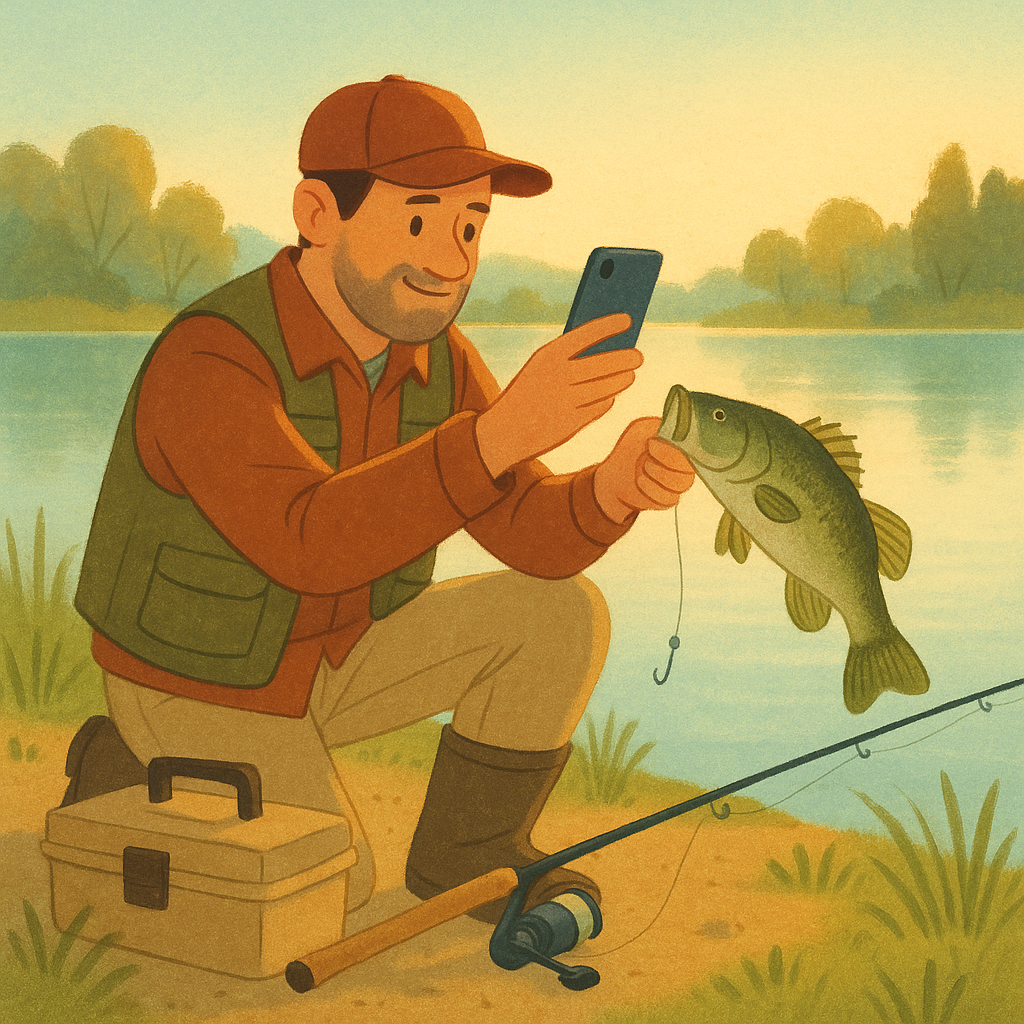
A photo isn’t just proof you caught something. It’s the story of the morning you spent at your favorite lake, the fish that gave you a real fight, and the satisfaction of holding it up before letting it swim away. Documenting meaningful outdoor experiences has been shown to significantly boost long-term happiness and memory retention.
For anglers over 50, these photos become part of a visual fishing journal: milestones, first catches with grandchildren, personal bests, and favorite spots across the seasons. Twenty years from now, you won’t remember every trip — but you’ll still be able to see them.
Setting Up for the Perfect Shot
The biggest mistake most anglers make is rushing the photo. Before your next trip, take five minutes to set up your phone or camera so it’s ready to go the moment you land something worth remembering.
- Clean your lens first: Water spray and fingerprints blur photos instantly. A quick wipe makes a huge difference.
- Put the sun behind the photographer: This ensures your face and the fish are evenly lit without harsh shadows.
- Get low: Crouch or kneel to shoot at the fish’s level — it adds depth and makes the fish appear larger and more impressive.
- Simple backgrounds win: Open water, tree lines, or blue sky make the fish pop. Avoid cluttered boat decks or parked cars in the background.
- Lock focus on the fish: Tap the fish on your phone screen before shooting to ensure it’s sharp, not the background.
How to Hold the Fish for the Camera
How you hold a fish affects both the photo and the fish’s well-being. A proper grip keeps the fish safe and makes for a much better picture.
Support the fish horizontally with both hands — one under the belly and one near the tail. Hold it slightly in front of your body rather than stretched out toward the camera (that exaggerated reach makes arms look awkward and fish look smaller). Keep the fish wet right up until the moment of the shot, and have your photographer ready so the fish isn’t out of the water for more than 30 seconds.
Smartphone vs. Camera: What Works Best
The honest answer? Your smartphone is probably all you need. Modern phone cameras — even budget models — take excellent fishing photos when you apply the right techniques. Dedicated cameras give you more control in challenging light, but they also mean more gear to carry and protect from water.
If you’re using a smartphone, turn on grid lines (rule of thirds) in your camera settings, tap the fish to set focus, and use portrait mode for close-up shots. A small waterproof case or phone pouch is a worthwhile $15 investment for peace of mind near the water.
Pros and Cons of Fishing Photography
Preserves the Memory
Photos let you relive the catch long after the day is over.
Motivates Future Trips
Seeing past successes keeps you excited and coming back to the water.
Great for Sharing
Family and friends love seeing your catches — it builds connection around your hobby.
Adds a Few Seconds of Pressure
Getting the shot right while keeping the fish healthy requires practice — but it becomes second nature quickly.
Risk of Water Damage
Phones and cameras near water always carry a small risk — a waterproof case solves most of it.
Frequently Asked Questions
Do I need a special waterproof camera for fishing photography?
No. A modern smartphone with a basic waterproof case handles the vast majority of fishing photography situations perfectly well.
How do I take a great fishing photo when I’m alone?
Use a small tripod or prop your phone on a rock or railing. Set a 10-second timer and have the fish ready to lift before pressing the button. Practice the shot before the fish is in your hands.
Why do my fishing photos always look blurry?
Usually it’s a dirty lens, too much motion, or low light. Wipe the lens, tap the fish on your screen to lock focus, and shoot in good natural light whenever possible.
Is it okay to share fishing photos on social media?
Absolutely. Just be thoughtful about revealing exact GPS locations of your best spots — keep those secret and enjoy sharing the fish!
Final Thoughts
Great fishing photos aren’t about expensive gear or perfect technique — they’re about being ready for the moment. A clean lens, good light, a proper hold, and a patient photographer are all you really need. Start simple, practice with each catch, and before long you’ll have a collection of images that tell the story of every great day on the water.
The fish might swim away, but a good photo stays with you forever.