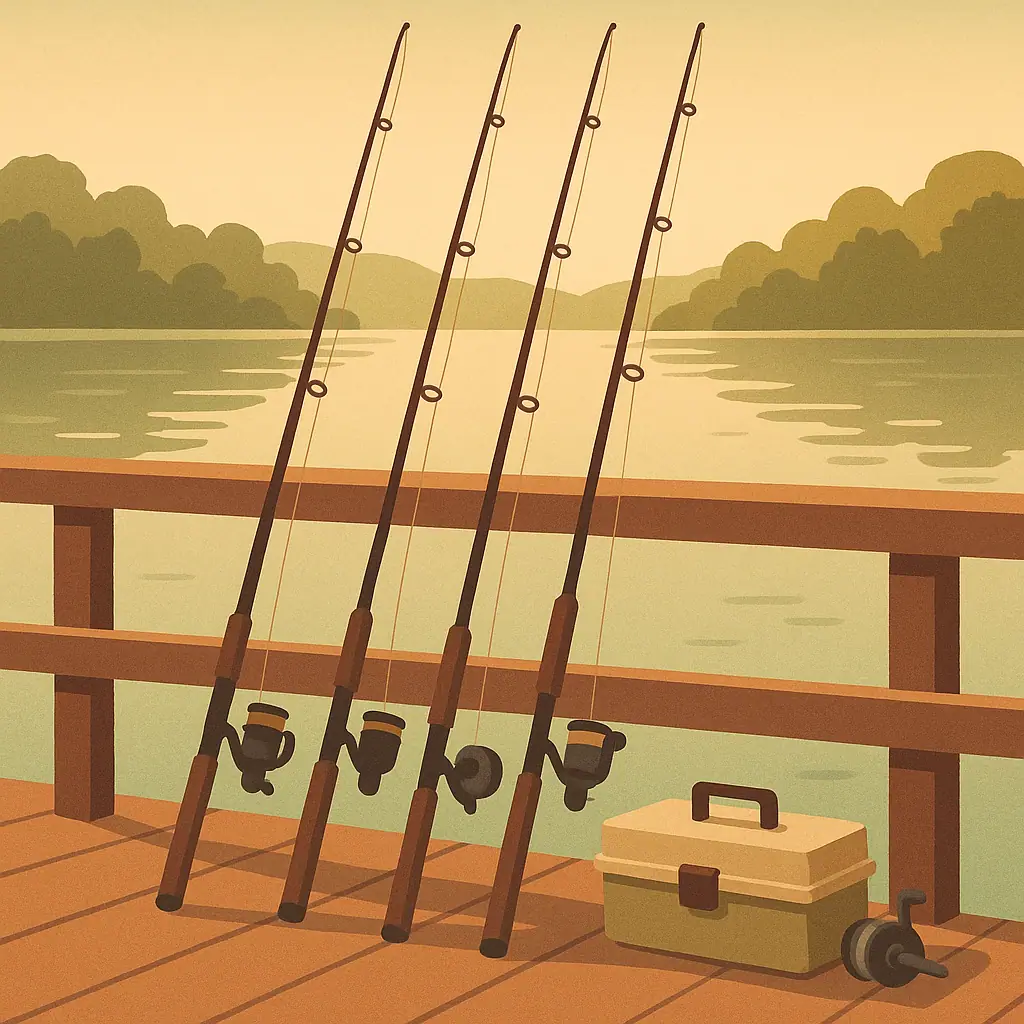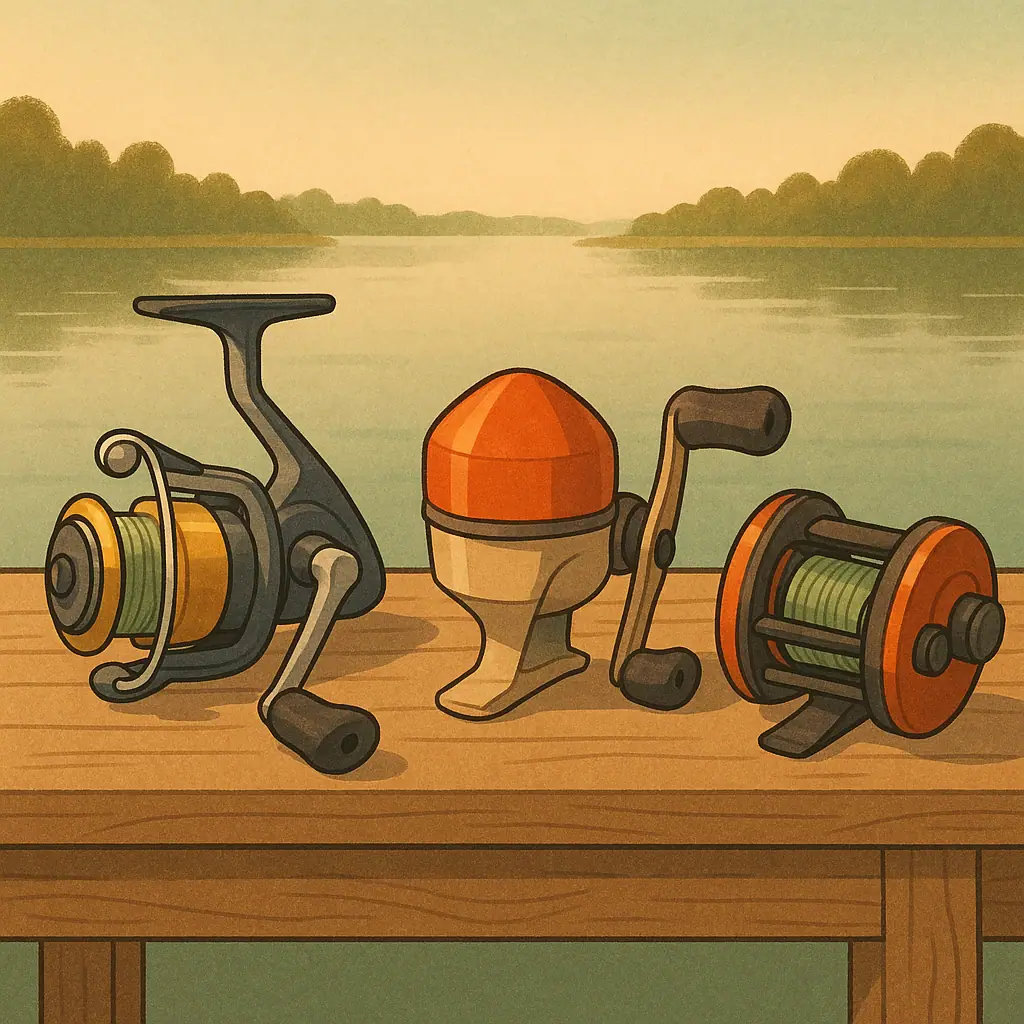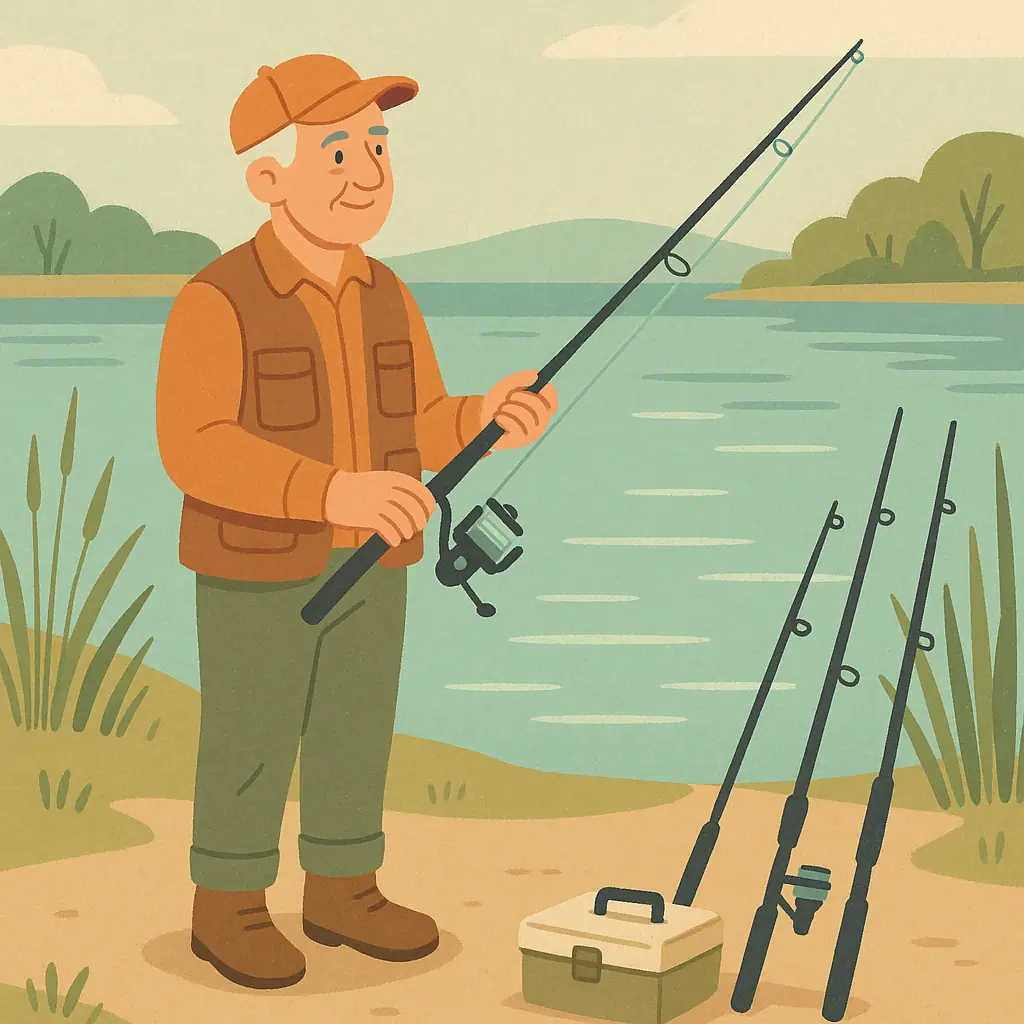
Fishing rod length for beginners can feel more technical than it needs to be. Walk into a tackle aisle and you may see short rods, long rods, ultralight rods, bass rods, panfish rods, and surf rods before you have even picked up a hook. The good news is that most new freshwater anglers do not need a perfect rod. They need a comfortable rod they can cast, hold, and control without fighting the equipment.
For many pond, dock, small lake, and bank-fishing trips, a simple spinning combo around 6 to 7 feet is a friendly place to start. That range gives you enough casting distance for common freshwater situations while staying manageable for adults who want less wrist strain, less tangling, and more confidence.
Why Fishing Rod Length Matters
Rod length changes how a rod feels in your hand. A longer rod can cast farther and help move line around weeds or rocks. A shorter rod is often easier to control in tight spaces, around docks, near brush, or when fishing with kids and grandkids close by.
The U.S. Fish & Wildlife Service reminds first-time anglers to choose a fishing rod they can hold comfortably in one hand in its official first-time fishing guide. That comfort test is more useful for beginners than memorizing every rod specification on the rack.
Start With the Water You Fish Most
Before choosing rod length, picture your normal fishing spot. Are you casting from an open bank, sitting on a dock, walking a brushy pond edge, or fishing from a small boat? The best beginner rod length is the one that matches your real day on the water.
If you are also trying to keep the whole setup affordable, ReelHow's guide to a budget fishing setup pairs well with this choice. Rod length is only one part of the kit, and a balanced setup beats an expensive rod that feels awkward.
Shorter rods feel tidy
Rods around 5 to 6 feet are easier to swing under tree limbs, carry in a car, and hand to a younger angler. They may not cast as far, but they feel less clumsy when space is limited.
Middle lengths fit most beginners
Rods around 6 to 7 feet are popular because they handle bobbers, live bait, small lures, and basic freshwater fish without asking too much from the angler. This is the range many beginners should try first.
Longer rods have a purpose
Rods over 7 feet can help with longer casts, better line pickup, and certain lure techniques. They are useful tools, but they can feel tiring or awkward if you are still learning basic casting motion.
What Beginners Really Need to Check
The label on the rod is not the whole story. Pick up the rod if you can, put a reel on it, and notice how it feels with your elbow relaxed. A rod that looks perfect online may feel tip-heavy in your hand.
- Check comfort first: hold the rod as if you are about to cast. Your wrist should not feel strained right away.
- Match the space: choose shorter for tight banks and docks, medium length for general ponds and lakes, and longer only when you need extra distance.
- Think about the fish: panfish and stocked trout do well on lighter rods, while bass and catfish usually call for a little more backbone.
- Keep transport realistic: if the rod is hard to fit in your vehicle or store at home, you may use it less.
- Avoid buying too specialized: your first rod should handle several common trips, not one narrow technique.
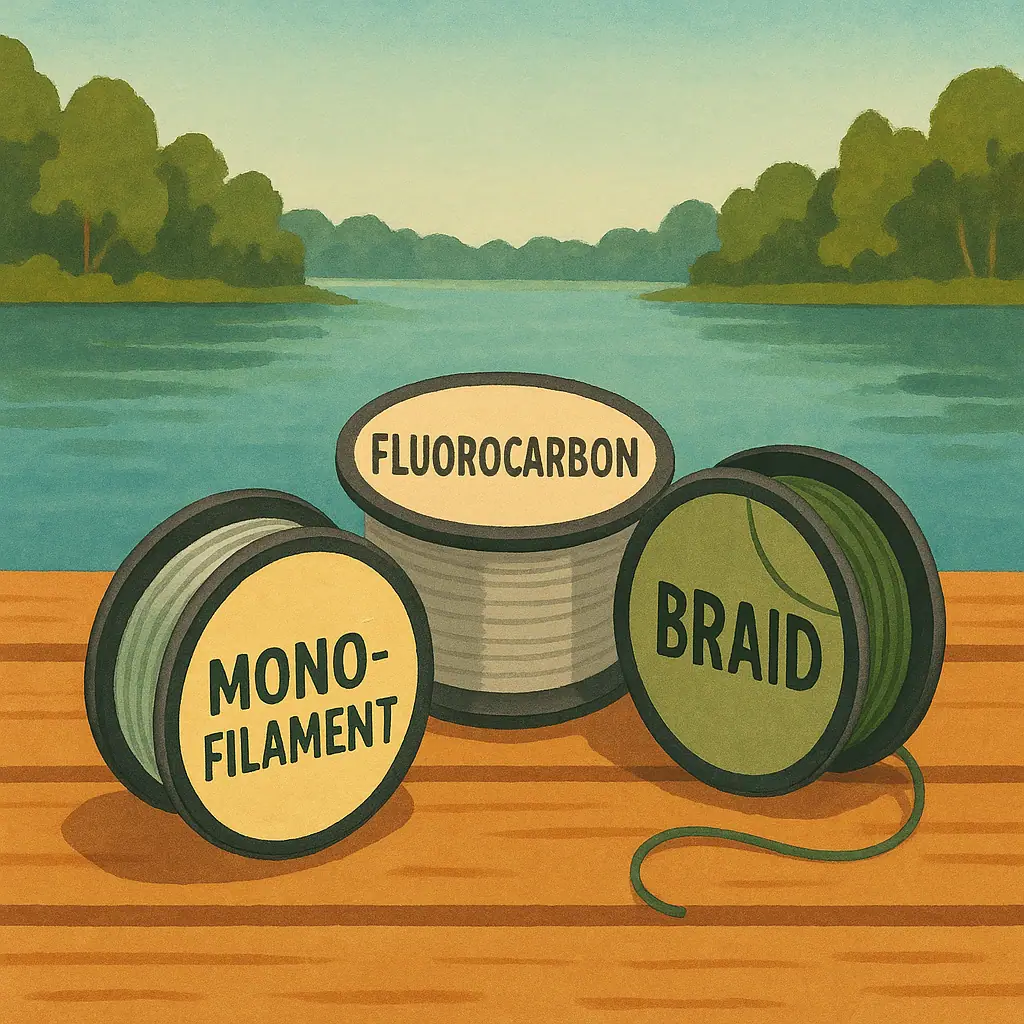
Once you have rod length narrowed down, line choice matters too. A beginner-friendly rod with confusing line can still feel frustrating, so it helps to read the fishing line guide before spooling your first reel.
Common Rod Length Mistakes
The most common mistake is buying the longest rod because it seems more powerful. Length can help, but a rod that is too long for your body, vehicle, or fishing spot can make every cast feel like work.
Another mistake is choosing a tiny rod because it feels easy in the store. Very short rods can be fun for kids or tight creeks, but they may limit casting distance and hook-setting control on open water. Beginners usually do better with a practical middle ground.
Pros and Cons of Different Beginner Rod Lengths
Short rods are easy to manage
They help around trees, docks, small ponds, and tight bank spots where a long rod keeps bumping into things.
Mid-length rods are versatile
A 6 to 7 foot rod can cover bobbers, worms, small lures, panfish, bass, and many relaxed freshwater trips.
Long rods can cast farther
Extra length helps when you need more distance, better line control, or more reach around weeds and shoreline cover.
Too short can limit range
A very short rod may make open-water casting harder and give you less leverage when a fish pulls away.
Too long can feel clumsy
A long rod can be awkward in a car, tiring for some anglers, and frustrating around branches or close fishing partners.
A Simple Rod Length Checklist
- Mostly docks or brushy banks? Try 5-foot-6-inch to 6-foot-6-inch rods first.
- General pond and lake fishing? Start around 6-foot-6-inch to 7 feet.
- Need longer casts from shore? Consider a rod over 7 feet only if it still feels comfortable.
- Fishing with grandkids? Keep rods easy to carry, pass around, and control safely.
- Unsure in the store? Ask to feel the rod with a reel attached, not as a bare blank.
- Buying one rod first? Choose versatile comfort over specialty performance.
When to Get Extra Help
Ask a local bait shop, fishing club, park program, or experienced friend if your water has special needs. A trout stream, wide reservoir, brushy farm pond, and catfish river can all reward different gear choices.
You should also check your local license and fishing regulations before heading out, especially if you are visiting a new state or waterbody. Rod length is a gear decision, but legal seasons, harvest limits, and access rules are local decisions.
Frequently Asked Questions
What rod length is best for most beginners?
For general freshwater fishing, many beginners are comfortable starting around 6 to 7 feet. A 6-foot-6-inch spinning rod is often a friendly middle ground.
Is a longer fishing rod always better?
No. Longer rods can cast farther, but they can also feel awkward in tight places. Better means comfortable, balanced, and suited to your fishing spot.
Should older beginners use a shorter rod?
Not automatically. Some older anglers like shorter rods because they feel easier to handle, while others prefer a mid-length rod for smoother casting. Comfort should decide.
Can one rod length work for panfish and bass?
Yes, if you keep expectations realistic. A medium-light or medium spinning rod around 6 to 7 feet can handle many beginner panfish and bass situations.
Final Thoughts
Fishing rod length for beginners is less about chasing the perfect number and more about choosing a rod that feels steady in your hand. If you fish common freshwater spots, start in the 6 to 7 foot range, then adjust shorter or longer based on your real water, your body, and your storage needs.
The right first rod should make you want to fish again. If it feels comfortable, casts smoothly, and fits the places you actually visit, it is doing its job.