
Every peaceful day on the water should end with everyone coming home safely. While fishing safety might not be the most exciting topic, it’s absolutely crucial — especially for those of us who’ve earned our wisdom over the years. After decades of fishing and witnessing preventable accidents, I’ve learned that the best fishing trips are the ones where safety comes first, fish come second.
The good news is that safe fishing doesn’t require expensive gear or complicated procedures. Most fishing accidents happen because of simple oversights — a forgotten life jacket, ignoring weather warnings, or rushing through basic safety checks. Let’s cover the essentials that will keep you fishing safely for years to come.
Personal Flotation Devices: Your Life Insurance
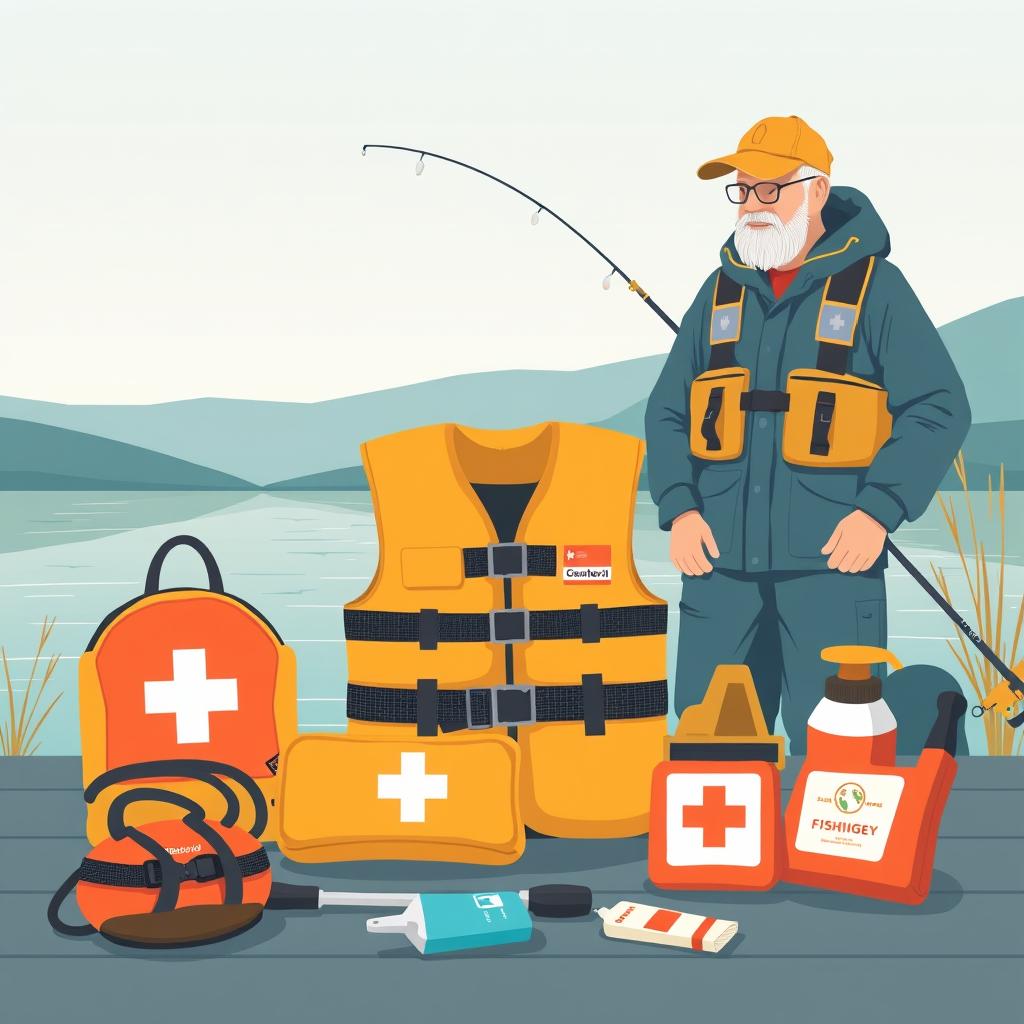
A personal flotation device (PFD) is non-negotiable when fishing from boats, docks, or rocky shorelines. Modern life jackets are comfortable enough for all-day wear and won’t restrict your casting motion. Think of it like a seatbelt — you hope you’ll never need it, but you’ll be grateful it’s there if something goes wrong.
🦺 Best Comfort PFD — NRS Chinook OS
Low-profile design that doesn’t interfere with fishing. Comfortable mesh back and multiple adjustment points for all-day wear.
⛑️ Budget Option — Onyx MoveVent Curve
Lightweight and breathable with large arm openings for easy casting. Great value under $50.
Weather Awareness and Planning
Water safety starts with respecting Mother Nature. Weather conditions can change rapidly on the water, and what starts as a calm morning can turn dangerous by afternoon. Always check the marine forecast before heading out, not just the general weather report.
Watch for these warning signs of changing conditions: darkening clouds, increasing wind, dropping temperature, or sudden changes in wave patterns. When in doubt, head for shore. No fish is worth risking your safety or the safety of others.
Pre-Trip Weather Checklist
- Marine forecast: Check NOAA Marine Weather Service for detailed conditions
- Wind speed: Winds over 15 mph make boat fishing dangerous for beginners
- Wave height: Waves over 2 feet are challenging for small boats
- Storm probability: Cancel trips with more than 30% chance of thunderstorms
- Temperature swings: Pack extra layers for unexpected cold fronts
Boat Safety Fundamentals
If you’re fishing from a boat, basic boating safety becomes part of your fishing routine. Even if you’re an experienced angler, it’s worth reviewing the fundamentals — especially if you’re fishing with family members who might not be as comfortable on the water.
Always file a float plan with someone reliable. Tell them where you’re fishing, when you’re leaving, and when you expect to return. This simple step has saved countless lives when boats break down or anglers get lost.
First Aid and Emergency Preparedness
Fishing hooks and sharp objects are part of the sport, which means minor injuries are always possible. A well-stocked first aid kit and basic knowledge of treating common fishing accidents can turn a potential emergency into a minor inconvenience.
Essential First Aid Items
- Antiseptic wipes: Clean cuts and puncture wounds immediately
- Bandages: Various sizes for cuts, scrapes, and hook wounds
- Tweezers: Remove splinters and embedded objects
- Pain reliever: Ibuprofen or acetaminophen for injuries
- Emergency contact list: Laminated card with phone numbers
- Whistle: Signal for help if needed
For hook injuries — which happen to every angler eventually — resist the urge to just yank it out. Small hooks in soft tissue can often be pushed through and the barb cut off with pliers. For deep or large hooks, cut the line and seek medical attention.
Dock and Shore Fishing Safety
Shore fishing has its own safety considerations. Wet docks and rocky shorelines can be slippery, especially early in the morning when dew makes everything treacherous. Wear shoes with good grip — never fish barefoot where there might be broken glass, sharp rocks, or discarded hooks.
Be aware of tides and rising water levels. What looks like a safe fishing spot at low tide can become dangerous as water rises. This is especially important when fishing from rocks or low-lying areas near the water.
Peace of mind
Enjoy your fishing knowing you’re prepared for common emergencies.
Family confidence
Relatives worry less when they know you prioritize safety on the water.
Longer fishing career
Safe practices help ensure you can keep fishing for decades to come.
Preventable accidents
Most fishing emergencies could be avoided with basic safety precautions.
Ruined fishing trips
Minor injuries become major problems without proper preparation.
Communication and Emergency Contacts
Modern technology makes staying connected easier than ever, but cell service can be spotty on remote waters. Consider investing in a waterproof case for your phone and keep emergency contacts easily accessible. A simple marine radio can be a lifesaver if you fish from boats regularly.
For remote fishing locations, consider a personal locator beacon (PLB) or satellite communicator. These devices can summon help even when you’re completely out of cell range. While they’re an investment, they provide invaluable peace of mind for solo anglers or those who fish in isolated areas.
Do I really need a life jacket when fishing from shore?
While not legally required for shore fishing, a PFD is recommended when fishing from docks, rocky areas, or anywhere you could accidentally fall into deep water. It’s especially important if you can’t swim well.
What should I do if I get a fishing hook stuck in my hand?
For small hooks in soft tissue, push it through until the barb emerges, then cut off the barb and back the hook out. For larger hooks or those near bones/joints, cut the line and seek medical attention immediately.
How do I know if weather conditions are too dangerous for fishing?
Cancel or postpone trips if winds exceed 15 mph, waves are over 2 feet, thunderstorms are forecast, or visibility is poor. Trust your instincts — if conditions feel uncomfortable, head to shore.
What’s the most important safety item for boat fishing?
A properly fitted, Coast Guard-approved life jacket for every person on board. Everything else is secondary to personal flotation devices — they’re your primary defense against drowning.
Final Thoughts
Safe fishing isn’t about being overly cautious or fearful — it’s about being prepared and making smart decisions. The habits you develop now will serve you well for decades of fishing adventures. Remember, the goal is to create positive memories on the water, not stories about close calls.
Start with the basics: wear your life jacket, check the weather, carry a first aid kit, and let someone know your plans. These simple steps dramatically reduce your risk while fishing. The water will always be there for another day, but we want to make sure you’re there to enjoy it.