
Starting your fishing journey at any age is one of life’s great pleasures. Whether you’re a complete newcomer or returning to the sport after years away, freshwater fishing offers relaxation, connection with nature, and the simple joy of catching your dinner. It’s like learning to ride a bike — wobbly at first, but once it clicks, you’ll wonder why you waited so long to start.
The beauty of fishing for beginners lies in its simplicity. You don’t need expensive gear or years of experience to start catching fish. With the right approach, you can be landing bluegill and bass within your first few outings. Let’s walk through everything you need to know to get started.
What Is Freshwater Fishing?
Freshwater fishing means catching fish in lakes, rivers, ponds, and streams — anywhere the water isn’t salty. It’s perfect for beginners because freshwater fish are generally more forgiving than their saltwater cousins, and you can often fish from the shore without needing a boat.
Most beginners start with popular species like bass, bluegill, catfish, or trout. These fish are abundant, relatively easy to catch, and found in waters across the United States. Think of them as your “training wheels” for the fishing world.
Why Fishing Is Perfect for Adults 50+
Fishing offers unique benefits that make it ideal for mature adults. It’s low-impact exercise that gets you outdoors without stress on joints. The pace is relaxed — there’s no rushing or competition unless you want it. Many anglers describe fishing as “meditation with a purpose.”
Studies show that spending time near water reduces stress hormones and improves mental well-being. Add the satisfaction of learning a new skill and potentially catching dinner, and you’ve got a perfect hobby for active retirement.
- Physical Benefits: Gentle exercise, fresh air, and vitamin D from sunshine
- Mental Benefits: Stress relief, patience building, and sense of accomplishment
- Social Benefits: Great activity to share with grandchildren or make new friends
- Practical Benefits: Fresh fish for dinner and useful outdoor skills
Essential Gear for Your First Fishing Trip
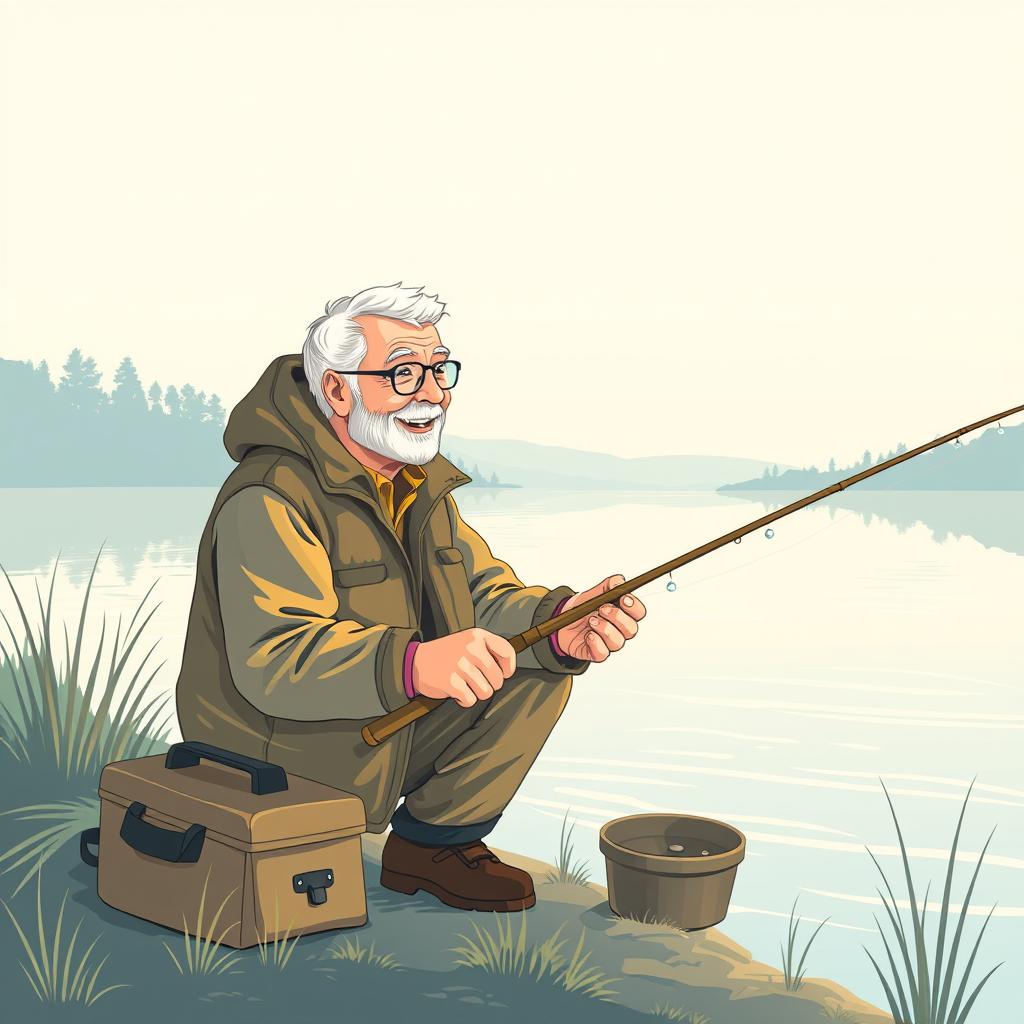
Starting with fishing basics doesn’t require breaking the bank. A simple setup will catch just as many fish as expensive equipment. Here’s what you actually need:
🎣 Rod and Reel Combo — $30-60
A 7-foot medium-action spinning rod with reel included. This length gives you good control without being unwieldy, and spinning reels are much easier for beginners than baitcasting reels.
🧵 Fishing Line — $8-12
10-12 pound monofilament line. It’s forgiving, visible in water, and easy to tie knots with. Skip the fancy stuff for now.
🪝 Hooks and Weights — $10-15
Size 6-10 hooks for panfish, 2-3/0 for bass and catfish. Add some split-shot sinkers and barrel swivels.
🎈 Bobbers — $5
Red and white bobbers in various sizes. These will be your best friend as a beginner — they show you exactly when a fish bites.
🐛 Bait — $5-10
Live nightcrawlers (earthworms) catch almost everything. Add some corn kernels or small minnows for variety.
Your First Fishing Technique: Bobber Fishing
Bobber fishing is the perfect starting technique because it’s simple, effective, and gives you a clear visual signal when fish bite. Here’s the step-by-step process:
- Set up your rig: Attach a bobber 2-3 feet above your hook
- Add weight: Pinch a small split-shot sinker 6 inches above the hook
- Bait your hook: Thread a nightcrawler onto your hook, leaving the tail wiggling
- Cast gently: Aim for deeper water near structure like fallen logs or weed edges
- Watch and wait: When the bobber goes under or moves sideways, set the hook firmly
Where to Fish: Finding Good Spots
You don’t need secret fishing holes to catch fish. Look for these productive areas:
- Fallen Trees: Fish love cover and ambush spots
- Weed Edges: Where vegetation meets open water
- Docks and Piers: Structure attracts baitfish, which attracts game fish
- Creek Mouths: Where moving water enters a lake
- Drop-offs: Where shallow water suddenly gets deep
State parks with lakes are excellent starting points. They’re well-maintained, safe, and usually stocked with fish. Park rangers can often point you toward the best spots.
Pros and Cons of Starting Fishing Later in Life
More Patience
Life experience brings natural patience that younger anglers often lack.
Better Equipment
You can afford quality gear that makes the experience more enjoyable.
Flexible Schedule
Fish during optimal times when others are at work or school.
Learning Curve
New techniques and terminology to master.
Physical Considerations
May need lightweight gear and comfortable seating.
Frequently Asked Questions
Do I need a fishing license?
Yes, nearly all states require fishing licenses for adults. Many offer senior discounts and you can usually buy them online or at sporting goods stores.
What’s the best time to fish?
Early morning (dawn to 2 hours after sunrise) and late evening (2 hours before sunset to dusk) are typically most productive for beginners.
How long should I wait without a bite?
If you haven’t had any action in 15-20 minutes, try moving to a different spot or changing your bait. Fish location matters more than patience.
What if I don’t catch anything my first time?
Don’t worry! Even experienced anglers have slow days. Focus on enjoying the process, practicing your casting, and learning to read the water.
Final Thoughts
Starting to fish at 50+ isn’t just possible — it’s ideal. You bring patience, wisdom, and the financial freedom to enjoy quality gear from day one. Remember, every expert angler started exactly where you are now, holding a rod for the first time and wondering if they’d ever catch anything.
Your first fish might be a small bluegill or a scrappy bass, but the smile it brings will remind you why millions of people consider fishing their favorite pastime. Take your time, enjoy the learning process, and don’t be afraid to ask other anglers for advice — the fishing community is incredibly welcoming to newcomers.
Now grab that rod, head to your nearest lake, and discover why fishing might just become your new favorite way to spend a morning.