Late spring fishing tips usually start with one simple idea: the shoreline is waking up. Weeds grow thicker, insects become more active, bluegill and bass slide closer to cover, and a pond or lake can feel much more alive than it did a few weeks earlier.
That extra activity is exciting, but it can also confuse beginners. A spot that looked open in early spring may now have weeds. A fish that bit slowly in cool water may now chase a little farther. The goal is not to make fishing complicated. The goal is to adjust calmly as shallow water changes.
Why Late Spring Fishing Tips Matter
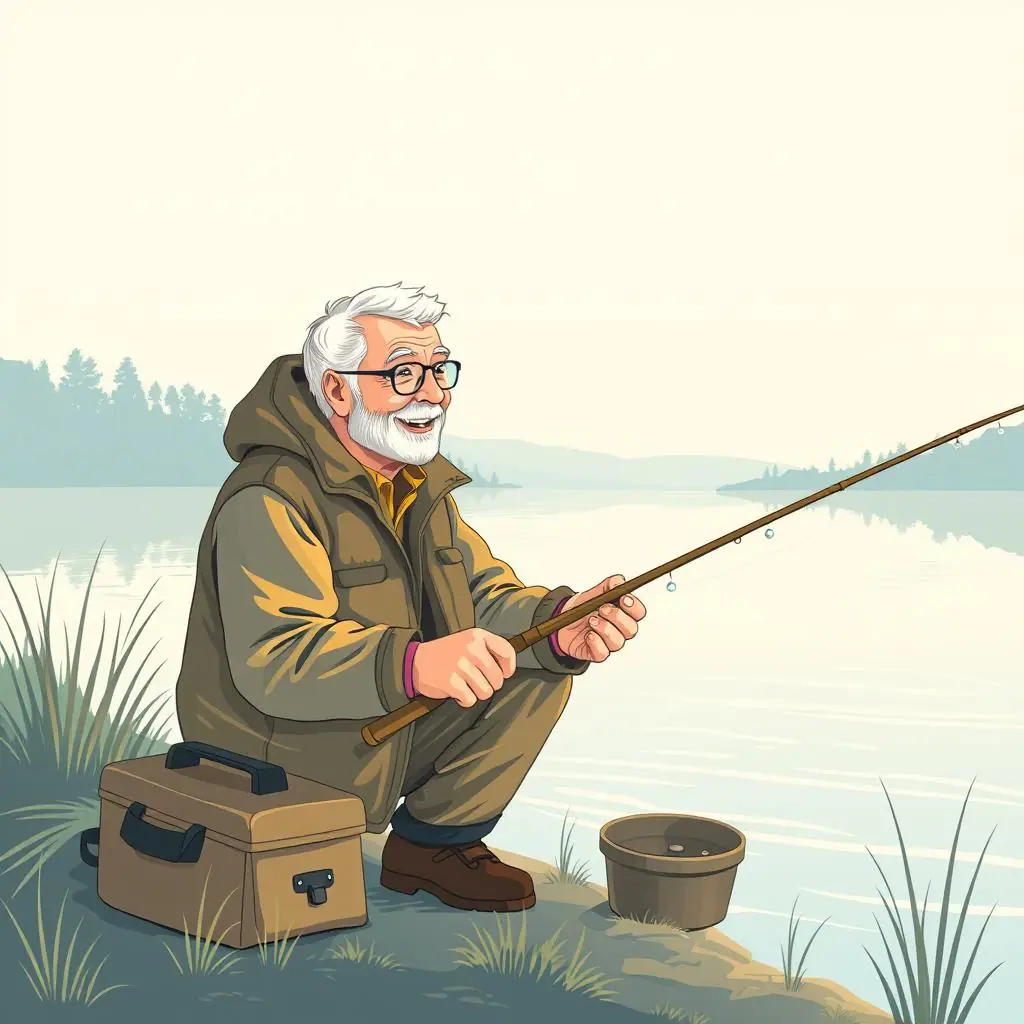
Late spring is a bridge season. The water is often warm enough to make fish feed more confidently, but it is not always hot enough to push them deep all day. That creates a friendly window for bank anglers, especially older beginners who want a short, comfortable trip.
Fish may use shallow water for food, shade, cover, and spawning behavior depending on species and region. You do not need to identify every detail perfectly. You just need to notice where life is gathering and put a simple bait nearby.
If you want the broader seasonal foundation, ReelHow's guide to spring fishing when fish wake up hungry explains how warming water changes fish activity. This article focuses on the next step: what to do when late spring vegetation, shade, and shallow movement become obvious.
Start With the Shallow Edge
The easiest late spring fishing tips are about location before tackle. Instead of casting to the middle of the pond, start by reading the first 10 to 20 feet from shore. Many beginners cast past fish that are already near their feet.
Look for life, not just water
Watch for small baitfish flickering, bluegill dimples, insects over the surface, frogs near grass, or birds working a shoreline. These small signs tell you the food chain is active. A quiet bank can still produce, but an alive bank deserves the first few casts.
Fish the edges of cover
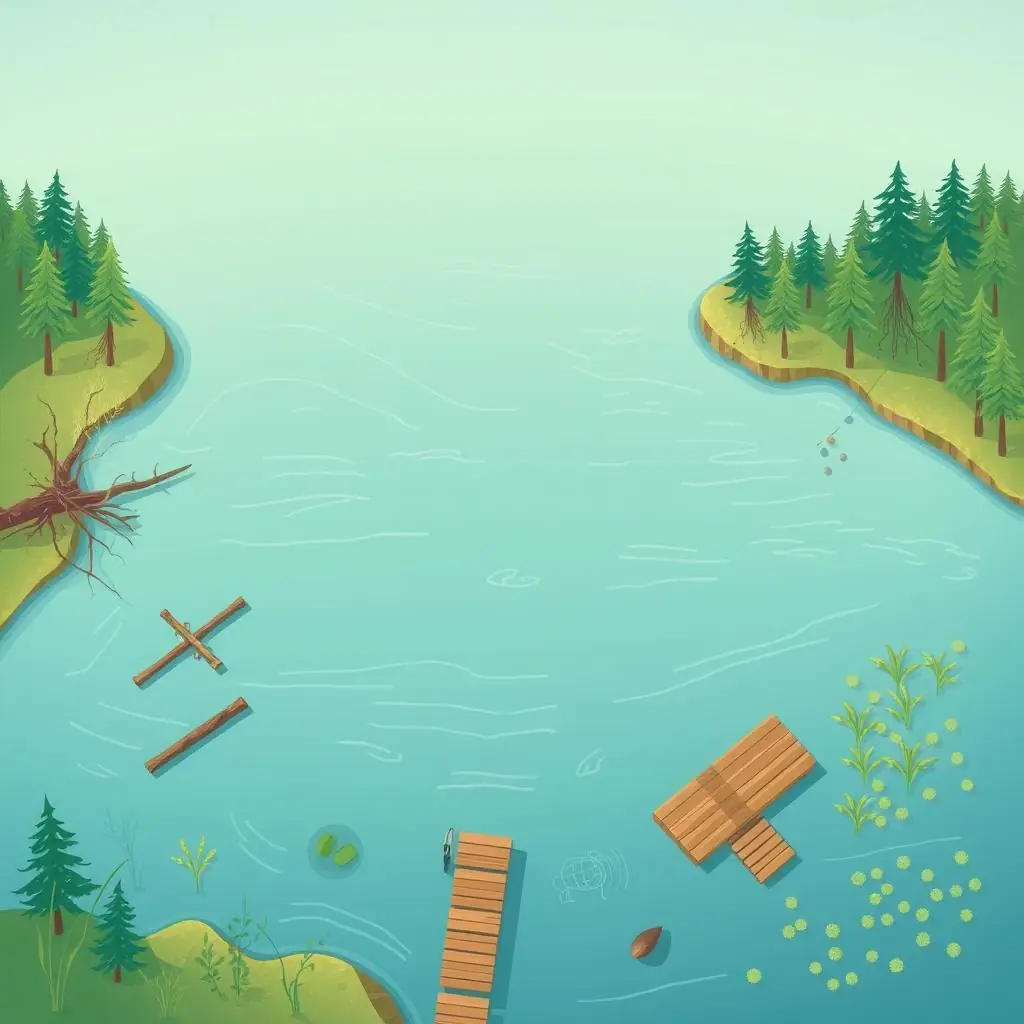
New weeds, lily pads, brush, docks, and shaded banks are useful because they create edges. Fish like edges because they can hide, feed, and move quickly to safer water. Cast beside cover rather than straight into the thickest part of it.
Choose the Best Late Spring Bank Location
Good bank spots in late spring usually combine comfort, cover, and access to deeper water. You want a place where fish feel safe and where you can stand safely without sliding, twisting, or fighting brush behind you.
- Shade lines: trees, docks, and steeper banks can hold fish after the sun gets bright.
- Weed edges: cast along the outside edge instead of burying your bait in the weeds.
- Small inlets: moving water can bring oxygen, insects, and food into a pond or lake.
- Drop-offs near shore: a shallow shelf beside deeper water gives fish an easy travel route.
- Open pockets: little clear spots inside vegetation can be perfect for a bobber or small jig.
Pick one or two of those features at a time. If you try to fish every interesting place at once, the trip becomes scattered. A calm plan catches more fish than constant wandering.
Use Simple Gear That Fits Late Spring
A simple spinning rod remains a fine choice. For many pond and lake trips, a medium-light or medium spinning rod with 6- to 10-pound monofilament gives enough control without feeling heavy. Add small hooks, split shot, bobbers, pliers, clippers, and a few easy lures.
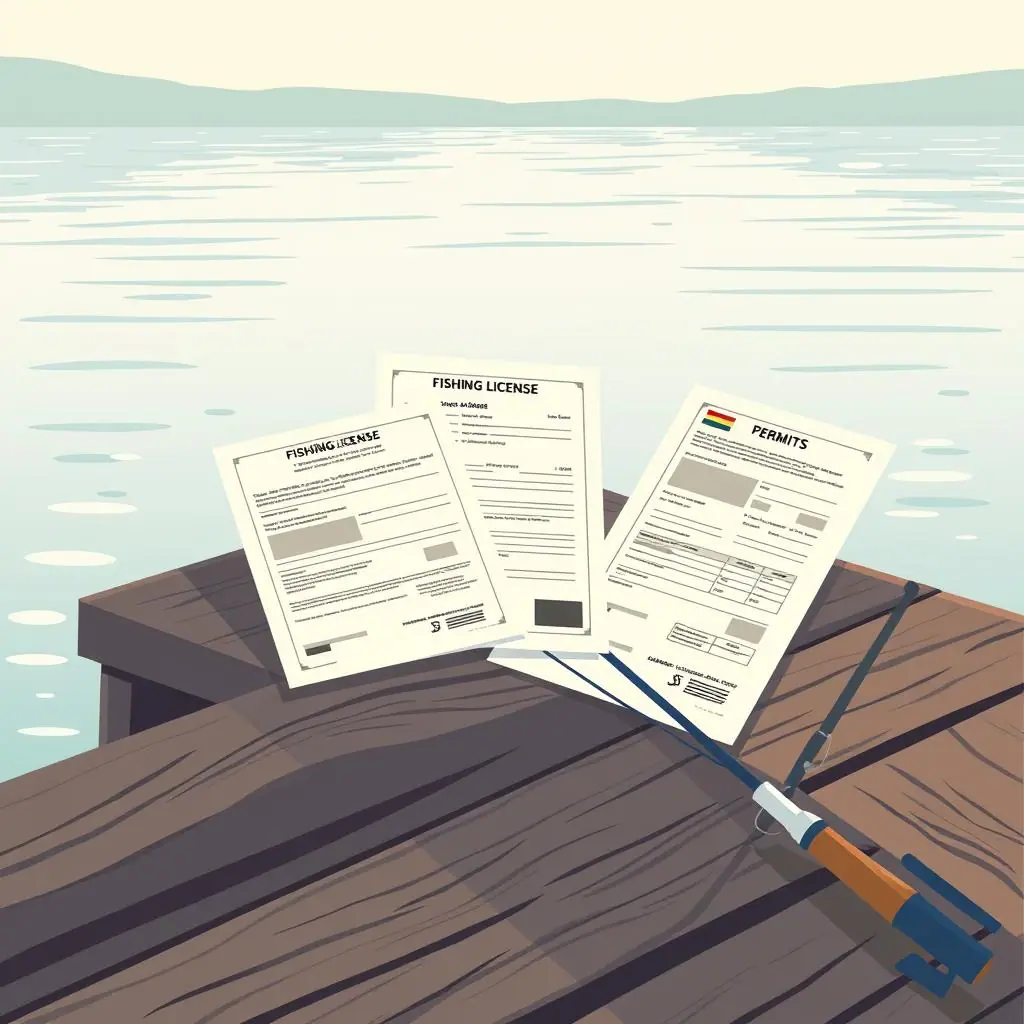
Fishing rules vary by state, waterbody, season, age, and bait choice. As one official example, the Georgia DNR fishing resources page points anglers to current regulations, licenses, closures, public fishing areas, and other before-you-go details.
That official reminder matters because late spring can overlap with special seasons, spawning protections, bait restrictions, and local limits. Keep the fishing simple, but do not guess on rules.
A friendly late spring setup
For bluegill, crappie, small bass, and stocked waters, start with a bobber rig and a small hook. If fish are chasing, add a small spinner, tiny jig, or soft plastic. If weeds are thick, keep the rig light and cast to openings instead of dragging through heavy growth.
Keep comfort in the plan
Late spring sun can feel gentle in the morning and surprisingly strong by lunch. Polarized sunglasses help you see shallow cover and protect your eyes. A hat, water, sunscreen, and a stable chair can turn a quick outing into a pleasant one.
Pick Baits for Shallow Late Spring Fish
Late spring fish often respond well to simple bait. Worms under a bobber still work because they stay in the strike zone and let you watch the bite. Small jigs and soft plastics help when fish are active enough to chase but not eager for fast retrieves.
ReelHow's guide to the best times to fish gives a useful timing framework for low light, heat, and daily fish movement. In late spring, use that idea with the bait in your hand: slower and closer to cover when the sun is high, a little more searching when fish are visibly active.
- Worms: easy to use, especially for bluegill, panfish, and mixed pond fish.
- Small jigs: good for pockets, edges, and slow lifts near weeds.
- Soft plastics: useful around bass cover when you can retrieve slowly and cleanly.
- Tiny spinners: helpful when fish are chasing baitfish along open edges.
- Bread or corn: only where legal and appropriate; check local rules first.
Fish the Right Times of Day
Morning and evening are often comfortable and productive because light is lower and shallow fish may feel safer. Late spring afternoons can still produce, especially around shade, wind-blown banks, inlets, and deeper edges, but you may need to slow down and protect yourself from sun.
Cloudy days can extend shallow activity. Bright, still days can make fish tuck closer to weeds, docks, brush, or shade. Wind can help if it pushes food toward a bank, but it can also make casting harder, so choose a side of the pond you can fish comfortably.
Stay Safe While Shallow Water Gets Busy
Late spring banks can be crowded with grass, mud, roots, insects, and other anglers. The best fishing spot is still not worth a fall or a hook accident.
- Check footing first: grass can hide holes, slick mud, and undercut banks.
- Give yourself casting room: look behind you for branches, people, pets, and grandkids.
- Handle fish near the water: keep release simple, wet your hands when possible, and avoid dropping small fish on dry ground.
- Use pliers for hooks: small hooks are easier to manage with a tool than with rushed fingers.
- Watch the weather: late spring storms can build quickly; leave early if thunder is nearby.
Pros and Cons of Late Spring Fishing
Fish are easier to reach
Warming shallow water, new cover, and active food sources can bring fish within short casting range from the bank.
Simple baits still work
Worms, bobbers, small jigs, and soft plastics all make sense without requiring advanced tackle or long casts.
Comfortable trip windows
Morning and evening outings can be mild, relaxing, and easier on anglers who do not want intense summer heat.
Weeds can cause snags
Fast-growing vegetation can grab hooks and lures if you cast into the thickest areas instead of nearby openings.
Rules may vary locally
Seasonal limits, bait rules, access, and protected areas can differ, so checking current local guidance is part of the plan.
A Simple Late Spring Fishing Checklist
Use this quick checklist before your next trip. It keeps the day practical and repeatable.
- Rules checked: confirm license, access, bait, size, and harvest rules for the water you plan to fish.
- Safe bank chosen: pick stable footing with room to cast and step back.
- Cover identified: look for shade, weeds, docks, brush, inlets, or drop-offs.
- Simple rig ready: start with a bobber and worm, small jig, or easy soft plastic.
- Edges targeted: cast beside cover, not into the middle of the thickest weeds.
- Timing considered: try morning, evening, cloud cover, or shaded banks on bright days.
- Comfort packed: bring water, hat, sunglasses, sunscreen, pliers, and a small first aid kit.
When to Get Extra Help
Ask a state fish and wildlife agency, park office, local tackle shop, or trusted experienced angler if you are unsure about rules, access, bait, or safe footing. Do not guess when a regulation or private-property question is involved.
Also ask for help if you keep snagging. A small change in bobber depth, hook size, jig weight, or casting angle can make late spring weeds much less frustrating.
Frequently Asked Questions
What is the easiest bait for late spring bank fishing?
A worm under a small bobber is the easiest place to start. It works for many pond fish, lets you control depth, and keeps the bait near shallow cover. Check local bait rules before fishing.
Do I need a long cast in late spring?
No. Many fish use weeds, shade, docks, and drop-offs close to shore. Short, quiet casts to the right edge often work better than throwing far across open water.
What time should I fish in late spring?
Morning and evening are friendly choices because light is lower and the weather is usually more comfortable. On cloudy days, shallow fish may stay active longer.
How do I avoid snagging in new weeds?
Cast along weed edges, open pockets, and lanes instead of directly into the thickest growth. Use lighter rigs, retrieve slowly, and move your feet before pulling hard on a snag.
Final Thoughts
The best late spring fishing tips are simple: look for life near shore, fish the edges, keep your gear light, and stay comfortable enough to enjoy the day. Shallow water is changing quickly, so let the bank show you where to start.
If one spot feels quiet, move a little and try another edge. Late spring rewards patient observation, short casts, and calm adjustments more than complicated tackle.