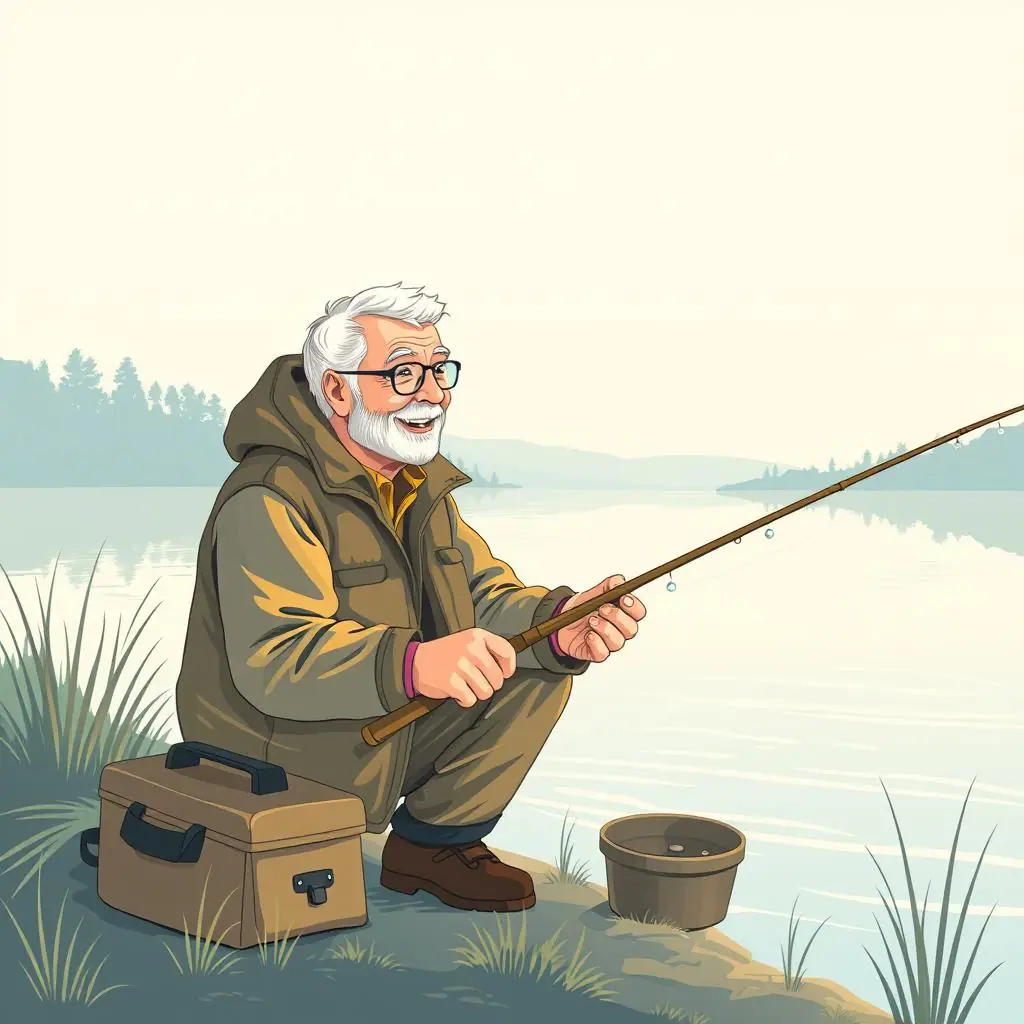
Morning summer fishing has one big advantage: you get to meet the day before the heat takes over. The air is cooler, the light is softer, and many freshwater fish are more willing to feed before bright sun pushes them toward shade or deeper water.
For older beginners, grandparents, and anyone who wants a relaxed trip, that early window can make fishing feel easier. You do not need a complicated plan. You need a simple start time, a comfortable spot, and enough discipline to leave before the day becomes work.
Why Morning Summer Fishing Matters
Summer can be a wonderful fishing season, but it can also punish late starts. By midmorning, docks, rocks, parking lots, and open banks can feel much hotter than the forecast number. Fish may still bite, but anglers often become less patient, less accurate, and less comfortable.
Morning gives you a better balance. Fish that moved shallow overnight may still be near grass, docks, riprap, laydowns, or the first drop-off. Insects and baitfish may be active. You can make a few quiet casts before boat traffic, bright glare, and heavy heat build.
If you want the bigger seasonal picture, ReelHow's guide to summer fishing while staying cool explains how heat changes the whole day. This guide focuses on the early hours: how to make those first casts count without turning the morning into a race.
Start Before the Sun Gets Serious
The best morning summer fishing plan starts the night before. Put your rod, small tackle tray, license, water, hat, sunglasses, sunscreen, pliers, and towel in one place. If everything is ready, you can leave calmly instead of digging through gear while the best light disappears.
Pick a realistic arrival time
You do not have to be on the bank in total darkness. For many beginners, arriving around first light or shortly after sunrise is plenty. The point is to fish the comfortable part of the morning, not to exhaust yourself before breakfast.
Set a leaving time before you start
Decide when you will stop before you make the first cast. On hot days, a two-hour trip can be better than a four-hour grind. When the shade shrinks, your water runs low, or the bank starts feeling harsh, call that a successful morning and head home.
Choose the Right Morning Spot
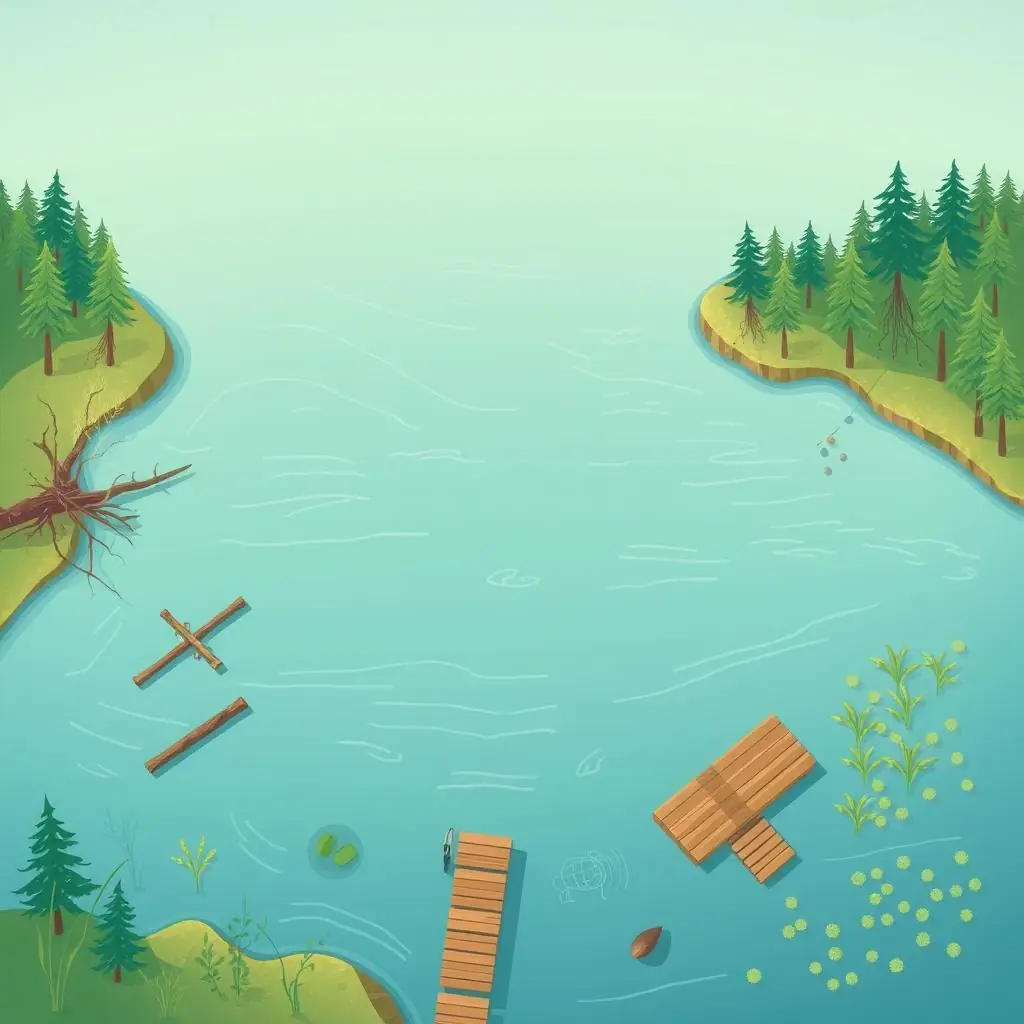
Summer fish often use low-light periods to feed near shore, then slide toward shade, weeds, current, or deeper water as the sun rises. Your first spot should give fish food, cover, and an easy escape route.
- Shade lines: start where trees, docks, bridges, or steep banks keep the water darker.
- Weed edges: cast beside open lanes and outside edges rather than into the thickest plants.
- Points and corners: these areas can guide baitfish and give predators an easy ambush route.
- Inlets or gentle current: moving water can add oxygen and bring small food items into reach.
- Nearby depth: shallow water beside a drop-off lets fish feed early and retreat later.
ReelHow's article on the best times to fish gives a helpful timing foundation for low light and daily fish movement. In summer, use that idea practically: start where fish can feed safely before bright sun makes them cautious.
Use Simple Morning Summer Fishing Gear
Keep the gear light. A medium-light or medium spinning rod, 6- to 10-pound monofilament, a few bobbers, split shot, small hooks, pliers, clippers, and two or three lures are enough for many pond, lake, and slow river mornings.
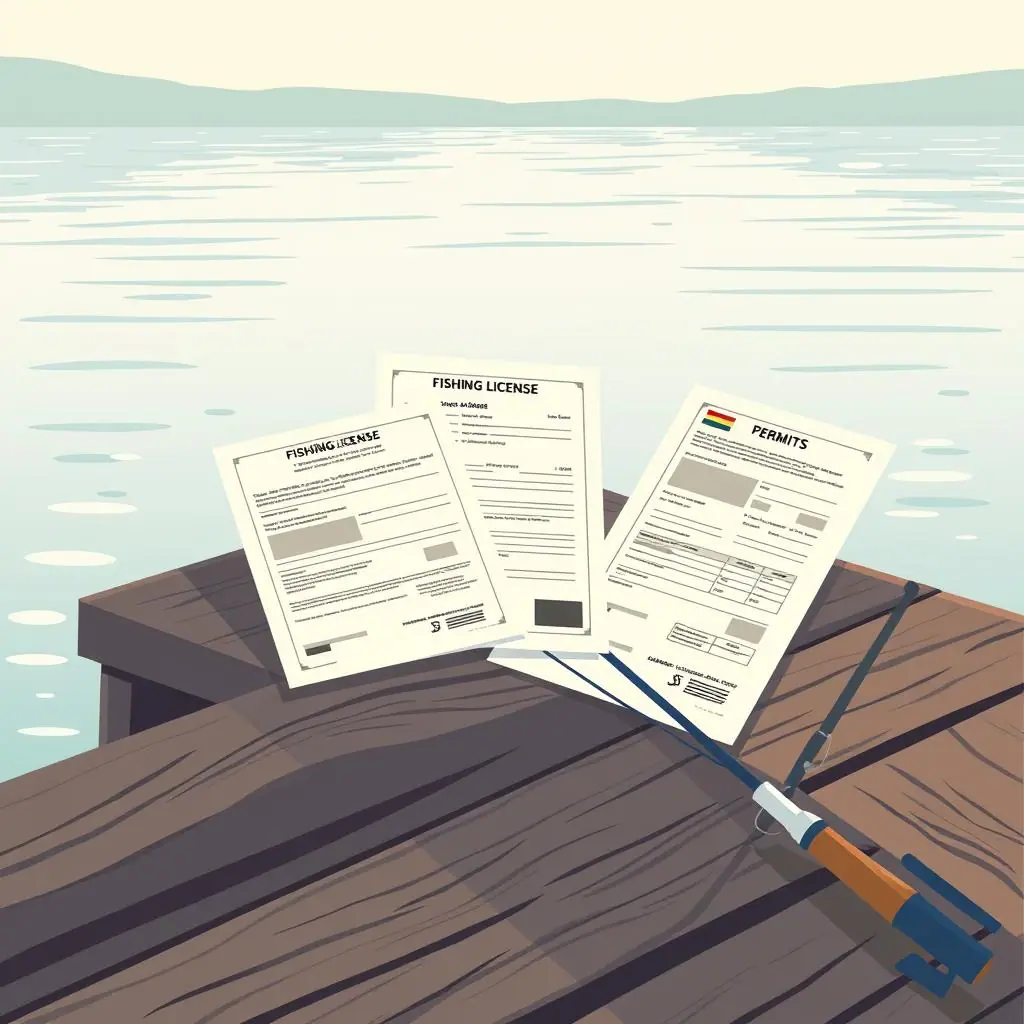
Rules still matter, even on a casual early trip. The U.S. Fish and Wildlife Service notes that anglers on many public fishing areas must follow state and federal regulations and check site-specific season, size, and possession limits. You can review that general guidance on the U.S. Fish and Wildlife Service fishing page before checking your own state or local waterbody rules.
Start with one quiet presentation
A worm under a bobber, a small jig, a tiny spinner, or a soft plastic worked slowly along cover can all fit the morning. Begin with the option you can cast accurately. Quiet placement near cover often beats a long cast into empty water.
Change slowly, not constantly
If you do not get a bite in five minutes, do not empty the tackle box. Change one thing at a time: depth, casting angle, retrieve speed, or location. Summer mornings move quickly, and constant retie work can eat the best window.
Beat the Heat While You Fish
Comfort is not a bonus in summer. It is part of the fishing plan. A hot, thirsty angler misses bites, rushes knots, and makes poor decisions on slick banks.
The National Weather Service advises limiting or rescheduling outdoor activity during dangerous heat and, when outside, drinking water and taking breaks in shade. Its heat alert safety guidance is a useful reminder that a fishing trip should bend around heat, not challenge it.
- Drink early: sip water before you feel thirsty, especially if you walked far from the vehicle.
- Wear light clothing: breathable, light-colored layers can feel better than heavy dark clothes.
- Protect your eyes: polarized sunglasses cut glare and help you see weeds, rocks, and bobber movement.
- Use shade as a timer: when your shady bank turns bright and hot, consider moving or ending the trip.
- Bring a chair: a stable seat helps you rest, retie, and watch the water without standing the whole time.
Fish the Morning in Simple Stages
Think of the morning as three short stages instead of one long session. That keeps your choices calm.
First light: cover water gently
Begin near shallow cover, shade, weeds, docks, or a bank with visible baitfish. Make quiet casts and watch closely. A bobber twitch, a line jump, or a small swirl may be the clue that fish are feeding nearby.
After sunrise: follow shade and edges
As light strengthens, move with the shade. Fish the darker side of docks, the outside edge of grass, the shaded side of a laydown, or the first deeper water near your starting spot. If small fish are pecking, a slightly larger bait or slower presentation may find better fish nearby.
Late morning: simplify or stop
When the heat builds, choose one of two paths. Either slow down and fish a shaded, comfortable spot, or end the trip. Both are good decisions. Morning summer fishing works best when you do not force the least comfortable part of the day.
Pros and Cons of Morning Summer Fishing
Cooler, calmer conditions
Early hours are usually easier on your body, your patience, and your casting rhythm than bright midday heat.
Fish may be shallow
Many freshwater fish use low light to feed near weeds, docks, banks, and other easy-to-reach cover.
Short trips work well
You can enjoy a productive outing before the day gets busy, making summer fishing easier to repeat.
The window can close fast
Once sun, glare, heat, and traffic build, shallow fish may become harder to reach from the bank.
Preparation matters
If gear, water, license, and sun protection are not ready the night before, the morning can slip away quickly.
A Simple Morning Fishing Checklist
Use this quick checklist the night before and again at the vehicle.
- Rules checked: confirm license, access, bait, size, and harvest rules for the water you plan to fish.
- Weather checked: look for heat alerts, storms, wind, and expected temperature by late morning.
- Water packed: bring more than you think you need for the length of the walk and trip.
- Shade plan chosen: start near trees, docks, bridges, steeper banks, or weed edges.
- Simple rig ready: tie on a bobber rig, small jig, spinner, or soft plastic before leaving home if possible.
- Stop time set: decide when you will head back before heat makes the decision for you.
When to Get Extra Help
Ask a state fish and wildlife agency, local park office, marina, or trusted tackle shop if you are unsure about access, licenses, bait rules, or harvest limits. Do not guess on rules just because the trip is short.
Ask for help with heat decisions too. If you fish with a friend or grandchild, agree on warning signs before the trip: dizziness, confusion, headache, heavy fatigue, cramps, or not sweating normally. When comfort drops, the fishing plan changes.
Frequently Asked Questions
What time should I start morning summer fishing?
First light through the first couple of hours after sunrise is a friendly target. You do not need to fish in the dark. Start early enough to enjoy cooler air and low light.
What bait works best in the morning?
Start simple. Worms under a bobber, small jigs, tiny spinners, and soft plastics can all work. Choose the one you can place quietly near shade, weeds, docks, or shallow edges.
Should I keep fishing after the bite slows?
You can, but change the goal. Move to shade, slow down, try slightly deeper edges, or end the trip. In summer, stopping before you get overheated is a smart fishing decision.
Can morning summer fishing work from the bank?
Yes. Bank anglers can do very well by starting near shade, weed edges, docks, inlets, points, and shallow water close to depth. Short, quiet casts often matter more than long ones.
Final Thoughts
Morning summer fishing is not about beating everyone to the lake or proving you can handle heat. It is about using the kindest part of the day well. Prepare the night before, start with shade and edges, keep your tackle simple, and leave while the trip still feels good.
Do that a few times, and summer fishing becomes less of a battle and more of a routine: early light, quiet water, a few good casts, and home before the worst heat of the day.