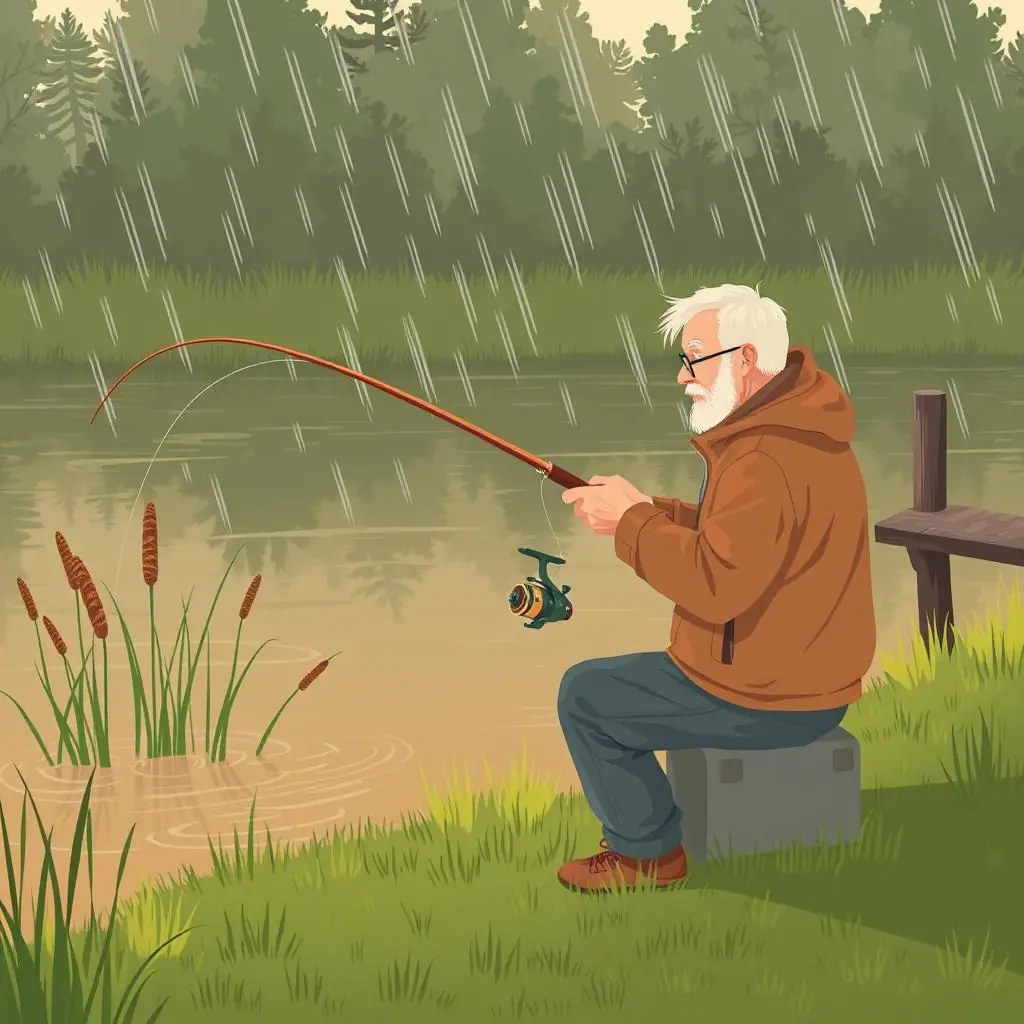
Muddy water fishing tips are useful because stained water can make a familiar pond or lake feel brand new. You may not see weeds, rocks, or cruising fish the way you did last week, and the fish may not see your bait as clearly either.
That does not mean the day is wasted. Muddy water asks for a different plan: fish closer to cover, use baits fish can feel or smell, choose stronger contrast, and keep your expectations steady. Think of it as fishing by signal instead of sight.
Why Muddy Water Fishing Tips Change Your Approach
Muddy water limits visibility for both you and the fish. A fish that might chase a subtle bait in clear water may need more help finding it now. That help can come from vibration, scent, sound, or contrast.
The biggest mistake beginners make is casting randomly into the middle because the water looks the same everywhere. Instead, look for places where muddy water creates an advantage: current seams, warmer shallow edges, flooded grass, dock posts, laydowns, and small inlets that push food toward waiting fish.
If the water is only slightly stained, you may still use some of the calm approach from clear water fishing tips. But once visibility drops hard, you can afford a little more presence in your bait.
Start With the Most Likely Edges
When visibility drops, fish often hold close to something they can use as a reference point. That might be a weed line, a bank corner, a dock, a stump, a shallow flat near deeper water, or the edge of incoming water after rain.
Fish close before fishing far
Beginners often try to cast farther in muddy water, but many bites come close to the bank. Muddy water can push bait and insects shallow, and fish may move in because they feel safer under low visibility. Make a few careful casts parallel to the bank before launching across the pond.
Use cover as your map
If you cannot see the bottom, let visible cover guide you. Cast near the outside of weeds, the shade side of dock posts, the downstream side of a small inflow, or the edge of flooded grass. These spots help fish ambush without needing to search open water.
Choose Baits Fish Can Find
In muddy water, the best bait is not always the brightest one. The best bait is the one fish can locate. For beginners, that usually means adding one or two clear signals without making the rig complicated.
- For panfish: Try a worm under a bobber, a small jig with a visible profile, or a cricket where local rules allow.
- For bass: Use a spinner, chatter-style lure, dark soft plastic, or slow-moving bait near cover.
- For catfish: Lean on scent with worms, prepared bait, or cut bait where legal and appropriate for the water.
- For trout in stained water: Keep presentations simple and visible, especially around stocked ponds or gentle current.
The U.S. Fish & Wildlife Service beginner guide lists basic freshwater items like a rod and reel, monofilament line, hooks, weights, a bobber, and bait or lures, and it reminds anglers to check local regulations because some areas limit bait choices: A Guide to Fishing for the First Time.
That regulation reminder matters in muddy water because anglers sometimes reach for stronger-smelling bait. Use what is legal for that specific lake, pond, river, or refuge, and do not guess if the rules are unclear.
Use Sound, Scent, and Contrast Without Overdoing It
Muddy water lets you use a little more signal than clear water. A spinner blade, a rattling lure, a darker silhouette, or scented bait can help fish find the offering. The trick is to add signal slowly.
Dark can be easier to see
It sounds backwards, but black, dark green, brown, and purple can create a strong outline in stained water. Bright chartreuse or orange can also help in some ponds, especially for panfish, but a bold silhouette is often easier to track than a pale natural color.
Slow down near the target
Fish may need a moment to find the bait. Cast close to the target, let the bait settle, and retrieve slowly enough that it stays in the strike zone. A rushed bait can pass by before the fish understands what it is.
Adjust Your Bobber and Bottom Rigs
A bobber rig is still one of the friendliest tools for muddy water fishing. It lets you keep bait in one visible zone and watch for small bites. The key is choosing depth and location with purpose.
- Start shallow near cover. Muddy water can bring fish closer to the bank, especially after warm rain or on cloudy days.
- Set the bait above snags. If you cannot see the bottom, keep the hook a little higher until you learn the spot.
- Use enough weight to control the bait. Too much weight makes the bait look stiff; too little may drift into weeds.
- Move in short steps. Shift a few feet along the bank or adjust depth before changing bait completely.
For a simple setup refresher, the ReelHow guide on how to rig a bobber explains hook, depth, and split shot in beginner-friendly terms.
Think About Safety After Rain
Muddy water often follows rain, runoff, wind, or changing water levels. That can mean slippery banks, soft mud, faster current, hidden debris, and cloudy footing. A good fishing day is not worth a fall.
Before stepping close to the water, test the ground, watch for undercut banks, keep tackle boxes away from the edge, and skip spots where current or mud makes footing uncertain. If the weather still looks unsettled, the guide to bad weather fishing can help you decide whether to fish, wait, or move to safer water.
Pros and Cons of Muddy Water Fishing
Fish may move shallower
Lower visibility can make fish feel comfortable near banks, flooded grass, docks, and cover.
Simple baits still work
Worms, bobber rigs, small spinners, and scented baits can all help beginners keep the plan manageable.
Cover becomes easier to target
When the open water looks confusing, visible edges give you a practical map for your first casts.
Bites can be harder to predict
Fish may feed in short windows, and they may ignore subtle baits that worked in clearer water.
Safety needs more attention
Muddy banks, hidden debris, and stronger current can make footing less reliable after rain.
A Simple Muddy Water Checklist
- Can I stand safely? Test the bank and avoid slick mud or fast current.
- Where is the nearest edge? Start with weeds, docks, inlets, laydowns, shade, or bank turns.
- Can fish find my bait? Add scent, vibration, contrast, or a slower presentation.
- Am I fishing too fast? Keep the bait near the target long enough for fish to locate it.
- Have I checked local rules? Strong-smelling bait only helps if it is legal for that water.
- Did I change one thing at a time? Adjust depth, then location, then bait so you know what helped.
When to Get Extra Help
Ask a local bait shop, state fish and wildlife agency, park office, or experienced angler if muddy water follows a major rain, a sudden water release, or unfamiliar local conditions. Rules and safety conditions can change faster than a general fishing article can cover.
You should also ask before fishing private ponds, drainage areas, spillways, or refuge waters. Muddy water may make fish active, but access rules, license rules, and bait restrictions still come first.
Frequently Asked Questions
What is the easiest bait for muddy water fishing?
A worm under a bobber is a simple place to start for panfish and mixed pond fishing. For catfish, scent-based bait can help. Always check local bait rules before using minnows, cut bait, corn, or prepared bait.
Should I cast farther when the water is muddy?
Not at first. Many fish move close to banks, cover, and inflows when visibility drops. Make short, accurate casts near visible edges before trying the middle.
What colors work best in muddy water?
Dark colors can create a strong silhouette, while bright colors may help in some shallow ponds. Start with one bold choice, then change slowly instead of swapping every few casts.
Is muddy water fishing safe after rain?
It can be, but only if the bank, current, and weather are safe. Avoid slick slopes, fast water, hidden drop-offs, and storms. If footing feels uncertain, choose another spot or wait.
Final Thoughts
Muddy water does not have to ruin a fishing trip. It simply changes the conversation. Instead of relying on sight, help fish find your bait through cover, scent, vibration, contrast, and slower timing.
Start close, fish the edges, stay safe on the bank, and make one adjustment at a time. That steady approach gives beginners a clear plan even when the water is anything but clear.