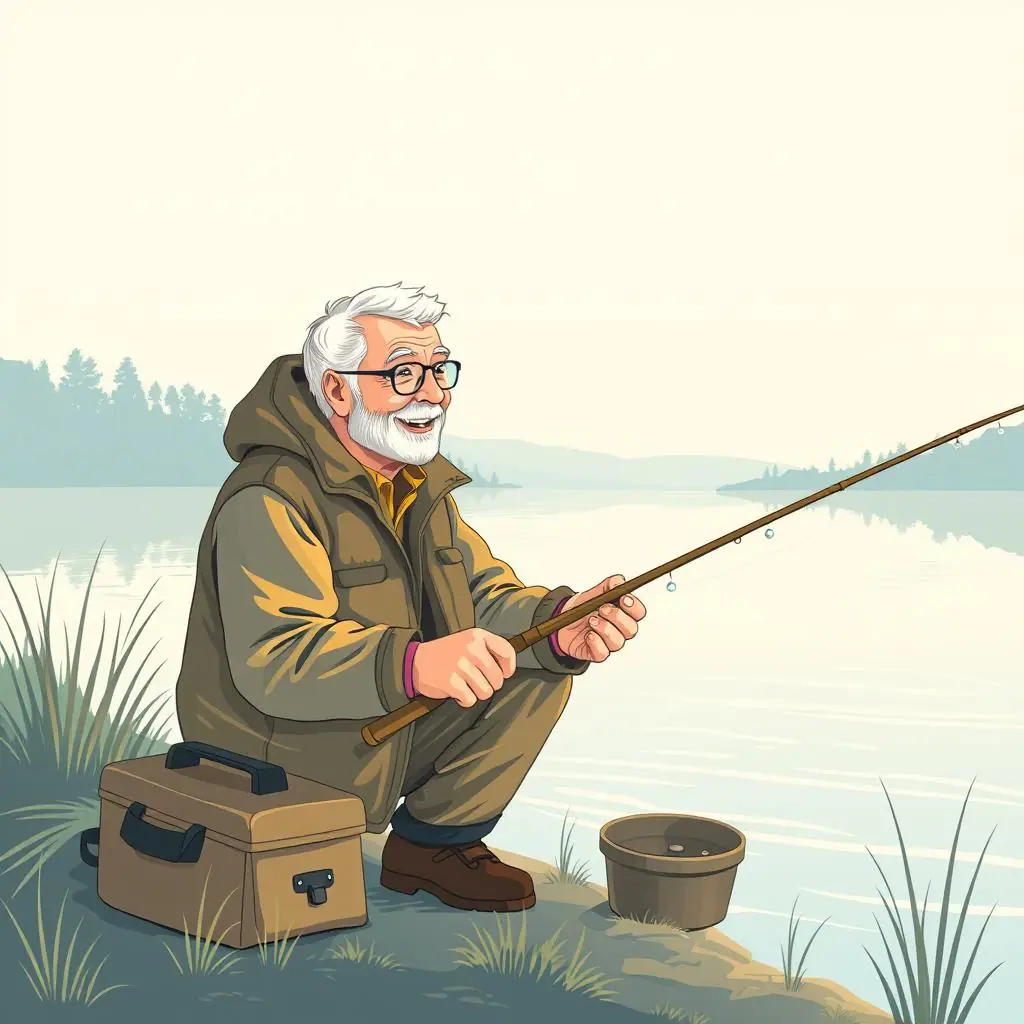
Perch fishing offers one of the most accessible and rewarding entries into freshwater angling. These small, feisty fish are widely distributed across North American lakes, rivers, and ponds, and they're known for their willingness to bite year-round. Unlike species that demand complex techniques or expensive gear, perch reward simple approaches and basic tackle with steady action. Whether you're fishing from a pier, shoreline, or boat, perch provide the perfect combination of ease, fun, and—if you catch enough—a delicious meal.
What makes perch particularly beginner-friendly is their schooling behavior. Find one perch, and you've likely found dozens. They're active during daylight hours (especially morning and late afternoon), making them ideal for anglers who prefer fishing when they can actually see what they're doing. Perch also tolerate a wide range of baits and lures, so you're rarely stuck wondering what to use. If you're looking for a forgiving species that builds your confidence and puts consistent bends in your rod, perch are hard to beat.
What Is Perch Fishing?
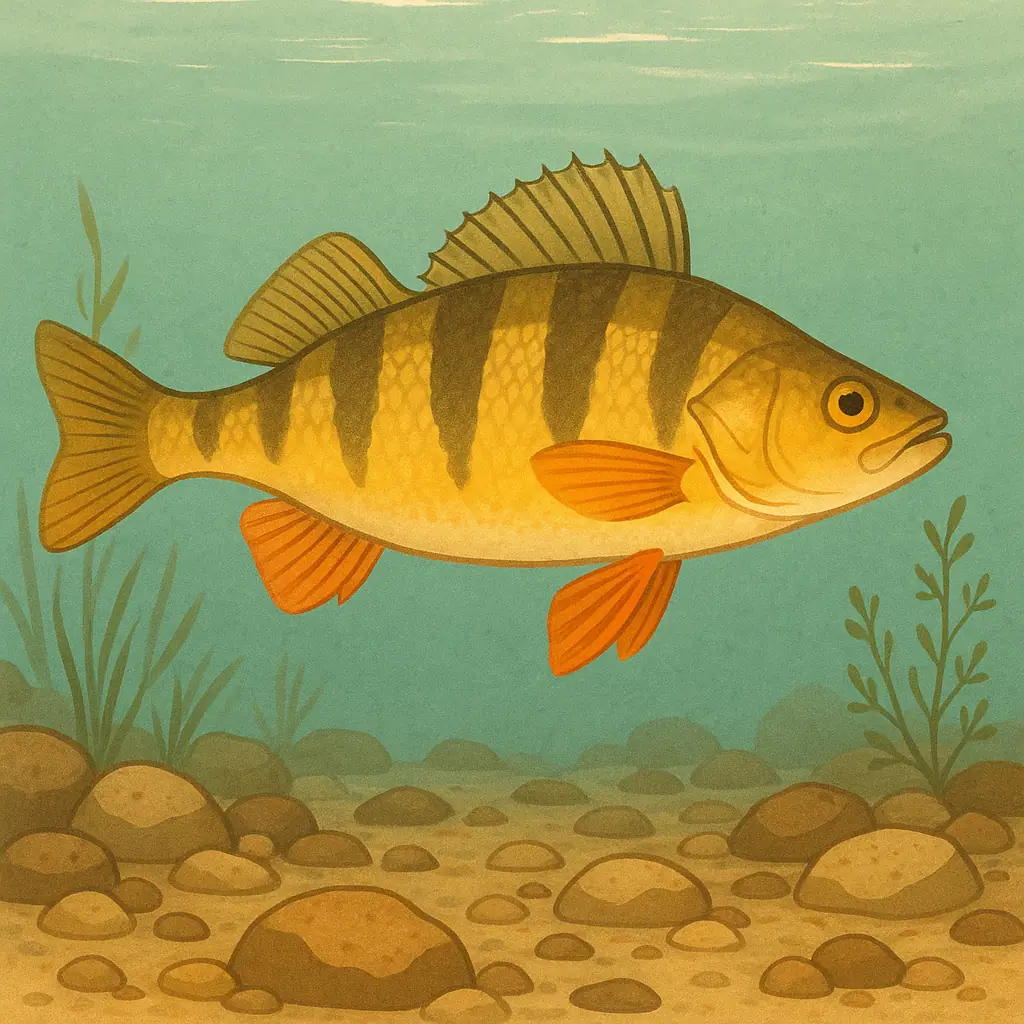
Perch fishing is the pursuit of Perca flavescens (yellow perch) and related species, which are small to medium-sized freshwater fish characterized by vertical dark bars, yellow-orange coloring, and spiny dorsal fins. Most perch caught by anglers range from 6 to 10 inches, though trophy fish over 12 inches and a pound are prized catches in the right waters.
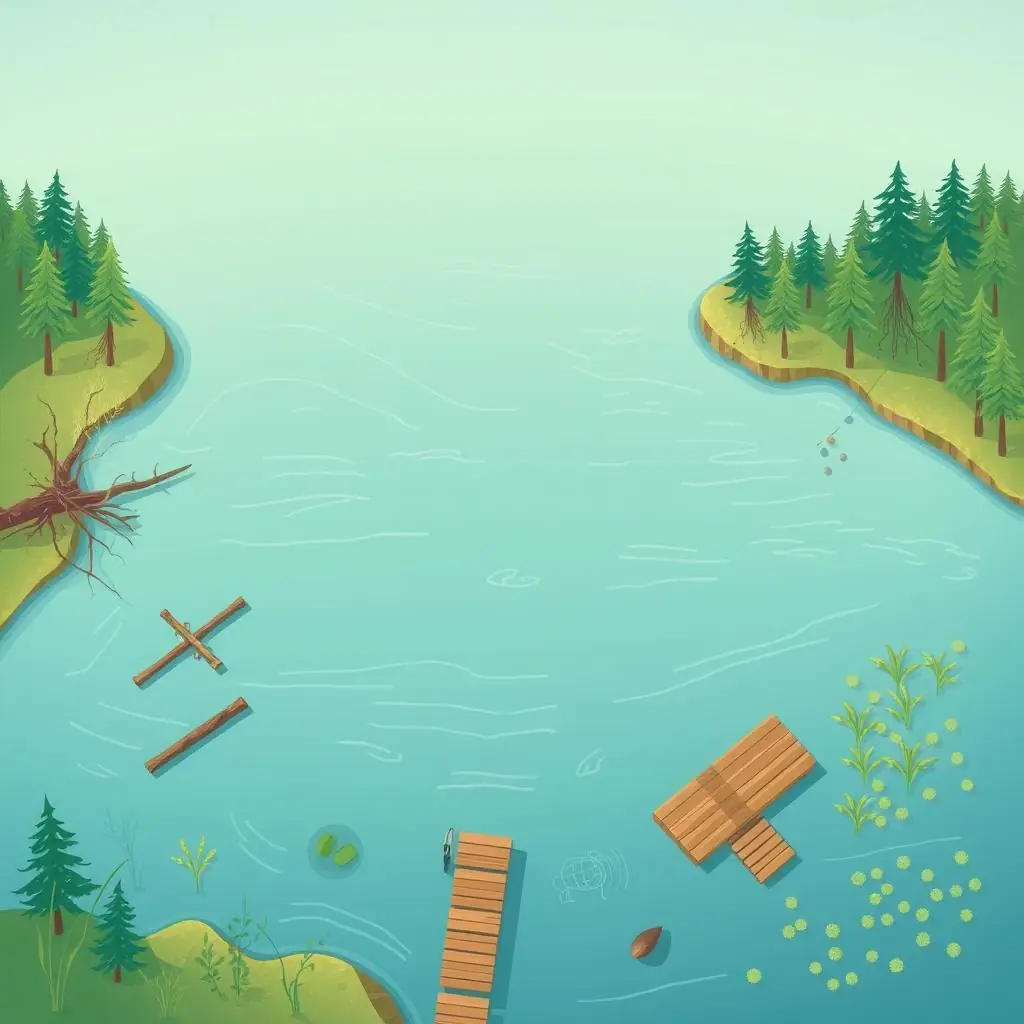
Perch are predatory fish that feed on smaller fish, insects, and crustaceans. They prefer structures like docks, rocky shorelines, weed edges, and submerged logs—anywhere that offers cover from larger predators and attracts prey. Because perch travel in schools, your success often hinges on finding the right depth and structure rather than mastering complex techniques. Once you locate a school, you can catch fish after fish with minimal effort.
Why Perch Fishing Is Perfect for Beginners
Perch fishing removes many of the frustrations that discourage new anglers. Unlike bass or trout that can be moody and selective, perch are aggressive feeders that rarely refuse a well-presented bait. They bite during the day when visibility is good, they're found near accessible structures like piers and docks, and they don't require specialized gear or advanced casting skills.
The schooling behavior is another major advantage. When you hook your first perch, you know there are more in the same spot—no need to move around constantly searching for fish. This predictability builds confidence and keeps the action steady, making perch fishing ideal for teaching kids, introducing non-anglers, or simply enjoying a relaxed day on the water.
Best Techniques for Catching Perch
Perch fishing success comes down to three simple, effective techniques:
- Bobber Fishing: Suspend a small hook baited with a worm or minnow under a bobber, set to fish 1-2 feet off the bottom. This visual method is perfect for beginners—when the bobber dips or disappears, set the hook. Works year-round from shore, piers, or boats.
- Bottom Fishing: Cast a small weight rig with a baited hook to the bottom near structure. Let it sit and wait for perch to find it. This passive approach works well when fish are holding tight to rocky or weedy bottoms.
- Jigging with Soft Plastics: Use a 1/16 to 1/4-ounce jig head with a small soft plastic worm or paddle tail. Cast out, let it sink, and retrieve with short, jerky hops. This active method covers water quickly and triggers aggressive strikes.
All three techniques work throughout the year, but cold water or inactive fish often respond better to slower presentations (bobber or bottom fishing), while warm-weather perch chase moving jigs aggressively.
Choosing the Right Bait and Lures
Perch are voracious eaters, and both live bait and artificial lures produce consistent results. Match your choice to conditions and personal preference.
🏆 Live Worms — The Universal Bait
Small worms like red wigglers or half a nightcrawler are deadly on perch. Thread the worm onto a size 6-8 hook, leaving the tail free to wiggle. Perch rarely refuse a lively worm, making this the go-to option for beginners.
⭐ Live Minnows — Big Perch Favorite
Small minnows (1-2 inches) hooked through the lips or back attract larger perch and work especially well in deeper water or during ice fishing season. The natural movement and scent draw fish from a distance.
🎯 Insect Larvae — Cold Water Secret
Maggots, waxworms, and mealworms are natural perch food and excel in cold water when fish are less active. Their small size matches perch's feeding style, and they stay on the hook well.
For artificial options, try 2-3 inch soft plastic paddle tails in natural shad or chartreuse colors on a small jig head. Small spinners and spoons also work, especially when perch are actively feeding. Keep lures small—perch have modest mouths and ignore oversized presentations.
Tips for Consistent Success
- Target structure: Perch congregate around docks, piers, rocky points, weed edges, and submerged logs. Start near visible structure and work outward if you don't get bites.
- Find the school: Once you catch one perch, stay put and fish the same spot thoroughly. Schools often hold tight, and you can catch multiple fish without moving.
- Vary your depth: Perch feed at different depths depending on season and time of day. Start near the bottom and adjust upward if bites are slow.
- Use light tackle: A 6-7 foot light to medium-light spinning rod with 4-8 lb line gives you the sensitivity to feel light bites and the finesse to land small fish without tearing hooks.
- Keep moving if bites stop: Perch schools roam. If action slows after catching several fish, move 20-30 feet and try again.
Pros and Cons
Pros
- Easy to catch with simple gear and techniques
- Active during daylight hours
- Schooling behavior = consistent action
- Excellent table quality—mild, flaky fillets
Cons
- Small mouths require smaller hooks and baits
- Schools can be mobile and hard to relocate
- Individual fish are small (requires numbers for a meal)
- Less challenging than larger game fish
Frequently Asked Questions
What's the best time of day to catch perch?
Early morning and late afternoon are peak feeding times, but perch bite throughout the day. Unlike bass or trout, perch remain active in full daylight, making them perfect for flexible fishing schedules.
Can I catch perch from shore?
Absolutely. Perch are commonly caught from piers, docks, rocky shorelines, and even sandy beaches near structure. A boat expands your range, but shore fishing is highly productive.
Are perch good to eat?
Yes. Perch are considered one of the best-tasting freshwater fish—mild, sweet, and flaky. They're often compared favorably to walleye. Cleaning them requires patience due to their size, but the reward is worth it.
What gear do I need to start perch fishing?
A light spinning rod (6-7 feet), small spinning reel, 4-6 lb line, size 6-8 hooks, small bobbers, and split-shot weights cover most perch fishing. Add a bucket of worms or small minnows, and you're set.
Final Thoughts
Perch fishing strips away the complications and delivers pure, accessible fun. You don't need a fancy boat, expensive lures, or advanced techniques—just simple gear, a bucket of worms, and a willingness to find where the schools are holding. The steady action builds confidence, the schooling behavior keeps your rod bent, and the eating quality makes every catch worthwhile.
Start near visible structure, keep your baits small, and don't overthink the approach. Perch fishing rewards consistency over complexity, and that's exactly what makes it perfect for beginners and veterans alike. Once you dial in a productive spot, you'll understand why so many anglers return to perch fishing season after season.