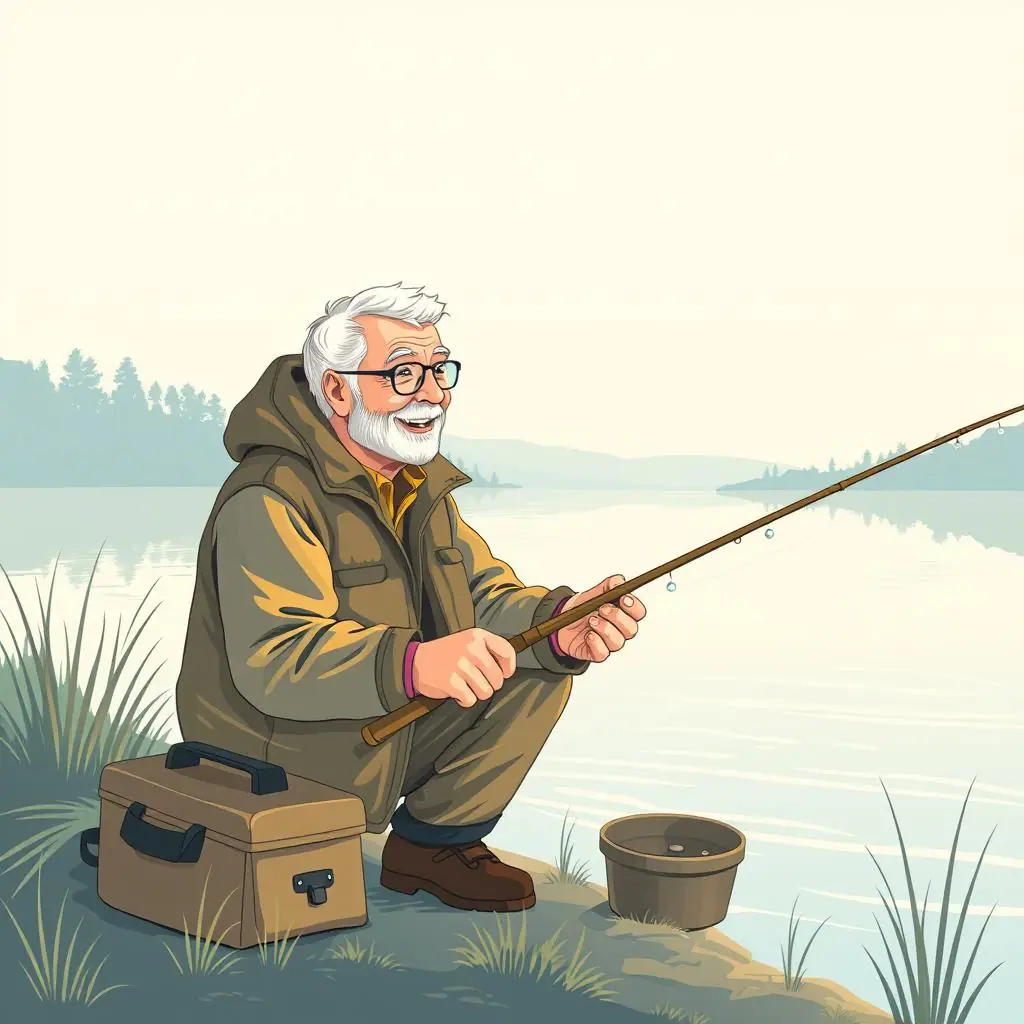
Pond fishing tips can make your first local outing feel simple instead of mysterious. A small pond may look quiet from the bank, but there is usually plenty happening under the surface if you know where to look and how to slow down.
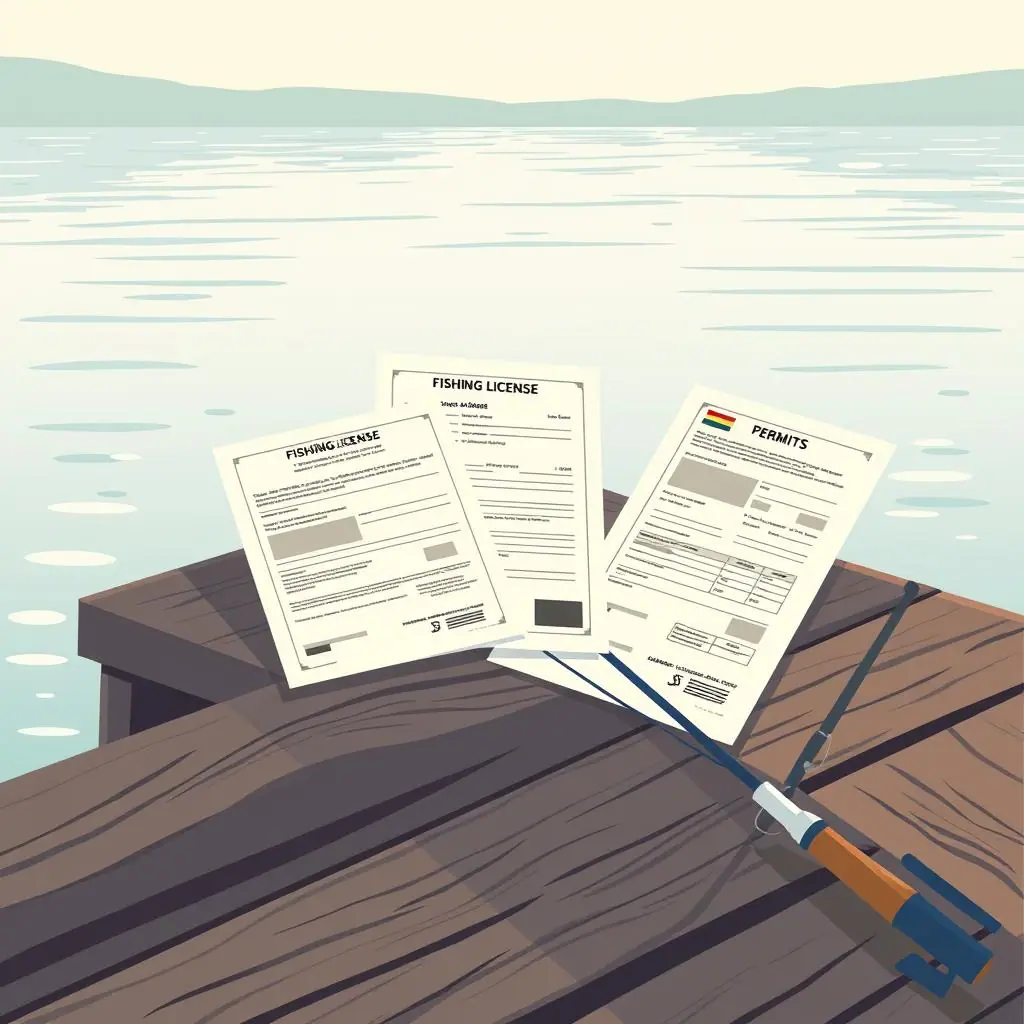
The nice thing about ponds is that you do not need a boat, fancy electronics, or a truck full of tackle. You need permission to fish, the right license for your state, a comfortable place to stand or sit, and a simple plan. Think of pond fishing like visiting a familiar neighborhood diner: once you learn the best booth, the busy hours, and what the regulars like, everything starts to feel easier.
Pond Fishing Tips Start with Picking the Right Pond
The best pond for a beginner is not always the biggest or prettiest one. It is the pond where you can fish legally, walk safely, and reach a few different spots without wearing yourself out.
Before you cast, check three basics:
- Permission and rules: Public ponds may require a fishing license, and private ponds require the owner's permission.
- Safe access: Choose banks that are dry, steady, and clear of steep drop-offs, loose mud, or heavy brush.
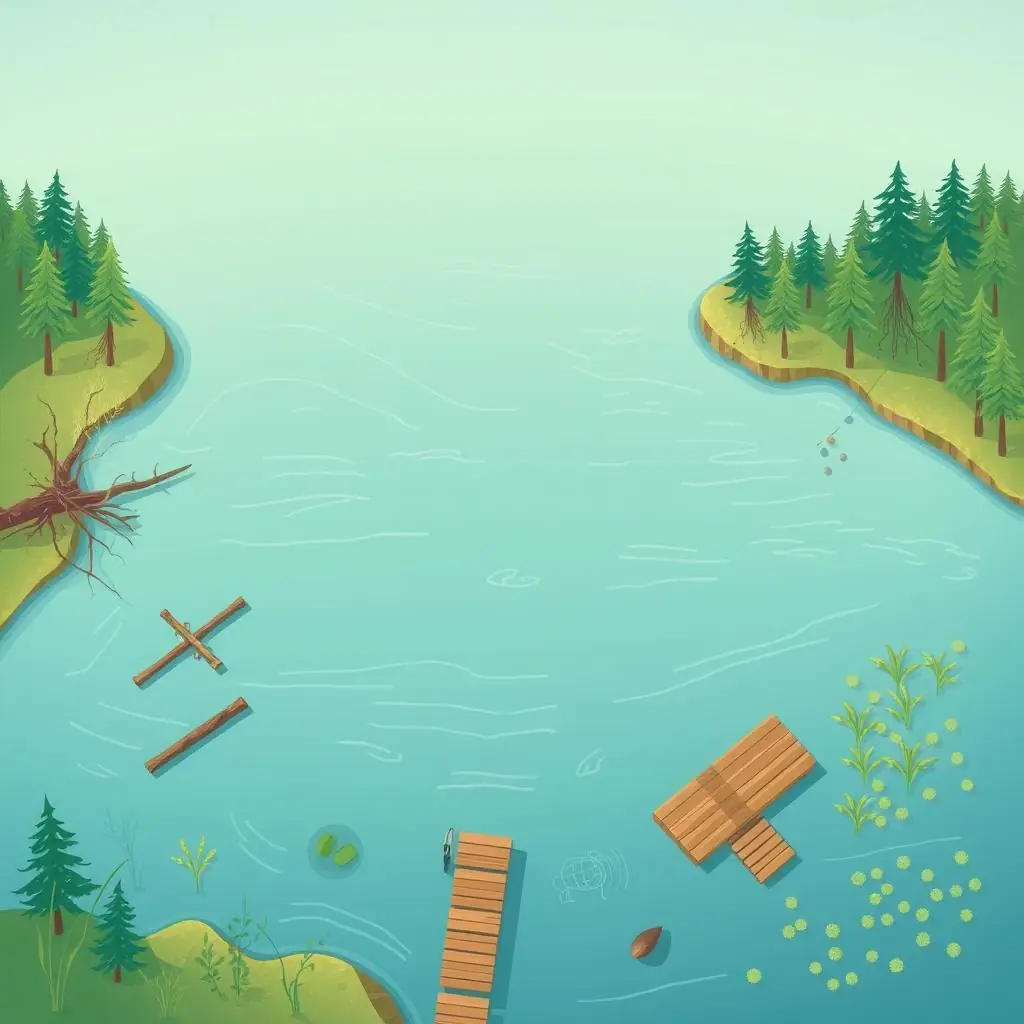
- Visible fish cover: Look for docks, fallen limbs, weeds, shaded edges, rocks, points, coves, and small inlets.
Where Fish Hide in Small Local Waters
Fish in ponds like comfort, food, and protection. They rarely wander around at random. If you can find shade, cover, oxygen, or an easy ambush spot, you are already thinking like an angler.
Start with the edges
Many beginners cast as far as they can, but pond fish often cruise close to shore. Bluegill, bass, and catfish may all use the first few feet of water along the bank, especially early and late in the day. Walk softly, stay a step back from the edge, and make your first cast parallel to the shoreline before throwing toward the middle.
Look for changes, not empty water
A plain round pond can feel confusing, so search for anything different. A shady corner, a patch of lily pads, a drain pipe, a small inlet, a rocky point, or a tree leaning over the water can all concentrate fish. State fish and wildlife agencies often teach the same simple idea: structure tends to hold fish because it gives them food and cover.
Simple Gear and Bait for Pond Fishing
You can catch plenty of pond fish with a basic spinning rod, 6- to 8-pound monofilament line, small hooks, a few split shot weights, and a bobber. If you already own a light or medium-light combo, start with that before buying anything new.
For bait, keep it easy:
- Worms: A small piece of nightcrawler catches bluegill, sunfish, catfish, and sometimes bass.
- Crickets: Great for bluegill and other panfish near weeds or docks.
- Small soft plastics: A simple grub or worm can work when fish are ignoring live bait.
- Dough bait or stink bait: Useful if the pond has catfish, but bring a rag because it can get messy.
How to Fish a Pond Without Overthinking It
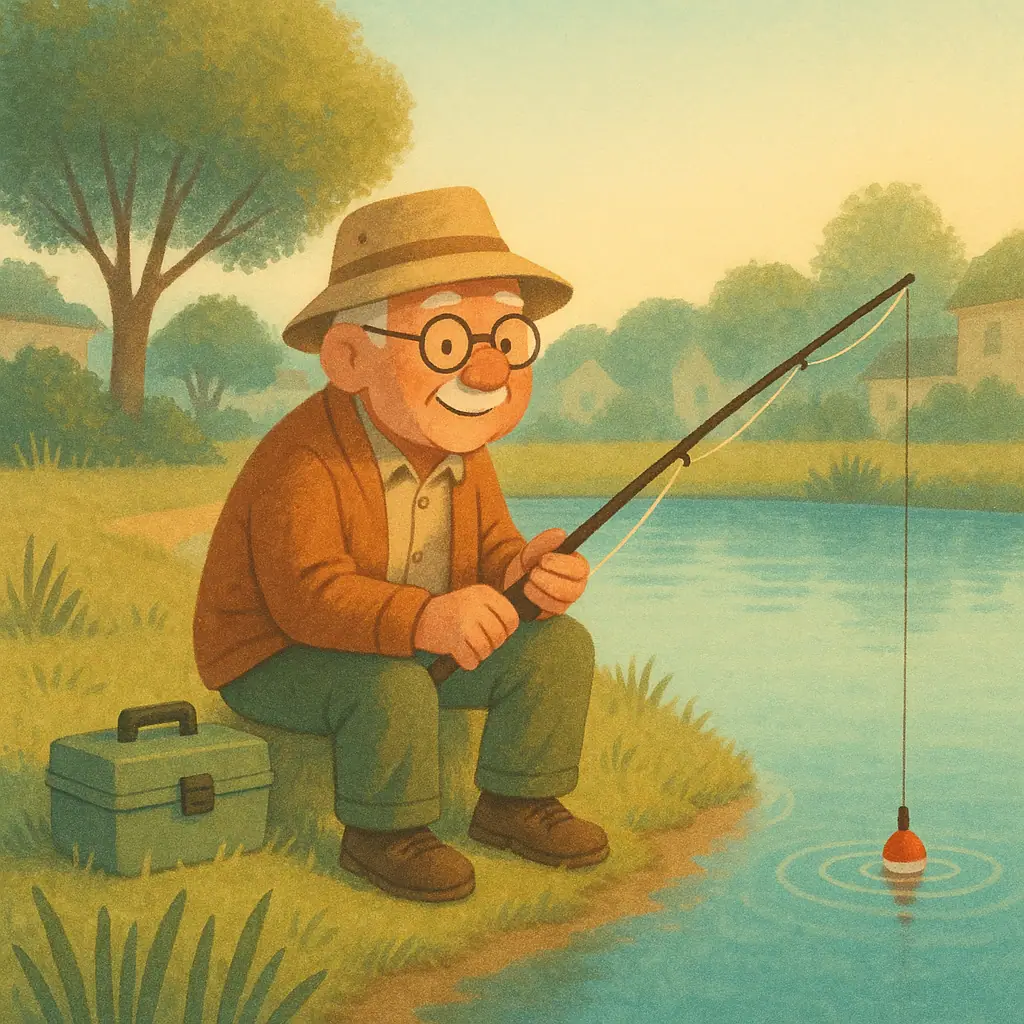
Start with a bobber rig because it is easy to see, easy to adjust, and relaxing to watch. Set your bait 18 to 30 inches below the bobber in shallow areas. If the pond drops off quickly or the fish seem deeper, slide the bobber higher a little at a time.
Make one quiet cast near cover, let the rings settle, and wait. If nothing happens after five to ten minutes, move a short distance or adjust your depth. Pond fishing rewards small changes more than frantic casting.
A simple 60-minute pond plan
For a first trip, fish three spots for about 15 minutes each and save the last 15 minutes for the place that looked or felt best. Try one shaded bank, one weedy edge, and one open area near a dock or point. That gives you a fair test without turning the outing into work.
Best Times to Catch Fish in a Pond
Early morning and evening are usually the friendliest windows because fish often feed closer to the bank in lower light. Cloudy days can also keep fish comfortable and active longer. In hot summer weather, midday fishing may be slower unless you can reach shade, deeper water, or a spot with moving water from an inlet.
Do not let timing stop you from going, though. A quiet hour at a local pond is still good practice. You will learn the shoreline, notice where baitfish gather, and get better at casting. That learning is part of the catch.
Pros and Cons of Pond Fishing for Beginners
Easy access
Many ponds can be fished from the bank, which keeps the trip simple and comfortable for new anglers.
Simple gear works
A basic rod, bobber, small hook, and live bait can catch several common freshwater species.
Great confidence builder
Small ponds help beginners practice casting, reading water, and handling fish without a big-water learning curve.
Rules are easy to overlook
Private ponds, park ponds, and neighborhood ponds may have different permission, license, harvest, or access rules.
Pressure can slow the bite
Popular ponds may see lots of anglers, so fish can become cautious around obvious baits and noisy banks.
Frequently Asked Questions About Pond Fishing Tips
What is the best bait for pond fishing?
Worms are the best first choice because they catch many pond fish, including bluegill, sunfish, bass, and catfish. Start with a small piece on a small hook.
Should I cast far when fishing a pond?
Not at first. Many pond fish feed close to the bank, especially near weeds, shade, docks, and fallen limbs. Try short accurate casts before long ones.
What time of day is best for pond fishing?
Early morning and evening are often best, with cloudy days also worth trying. In summer, shade and deeper edges may matter more during midday heat.
Do I need a fishing license for a local pond?
Often yes, but it depends on your state, age, pond ownership, and local rules. Check your state wildlife agency before fishing.
Final Thoughts
Pond fishing is one of the easiest ways to enjoy freshwater fishing without making the hobby feel complicated. Pick a legal and comfortable pond, fish quietly near cover, keep your bait small, and move only when you have given a spot a fair chance.
Most of all, do not measure the day only by the number of fish. A good pond trip teaches you something every time: where the shade falls, where bluegill peck at the bobber, where bass chase minnows, and where you want to sit next time with a cup of coffee and a little more confidence.