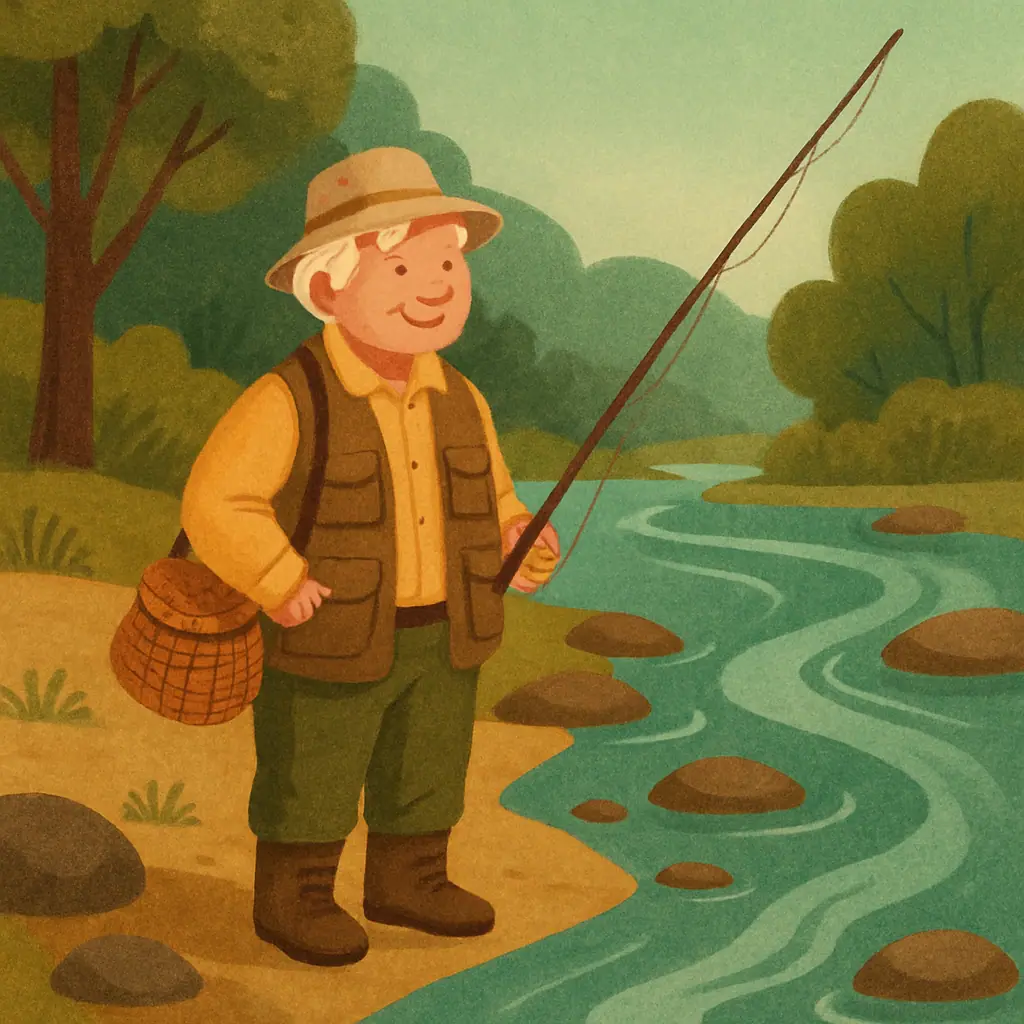
River fishing basics can feel confusing at first because the water is always moving. One minute you are looking at ripples, the next you are wondering whether fish are in the fast water, the slow water, or somewhere in between.
Here is the friendly secret: fish usually want the same thing you want on a relaxing day outside. They want food nearby, a comfortable place to rest, and a safe spot where they do not have to fight the current all day. Once you learn to spot those places, a river starts to look less like a puzzle and more like a map.
What River Fishing Basics Really Mean
River fishing basics are not about memorizing fancy terms. They are about noticing how moving water shapes fish behavior. Food drifts downstream. Fish often face upstream so they can watch that food come toward them. But sitting in the strongest current burns energy, so they tuck into softer water close to the food lane.
Think of it like standing near a buffet line without blocking the walkway. The best fish spots are close enough to the current to grab food, but calm enough that the fish can hold position without working too hard.
The Three Things Fish Want in a River
- Comfort: slower water behind rocks, logs, bends, or changes in depth.
- Food: seams, drop-offs, outside bends, and merging currents where insects, minnows, and bait collect.
- Cover: shade, deeper water, undercut banks, weeds, branches, or boulders that help fish feel protected.
When two of those things overlap, you have a decent place to try. When all three overlap, slow down and fish it carefully.
Why Reading Current Matters for Beginners
Reading water and current matters because it keeps you from casting randomly. A beginner can waste an hour throwing bait into pretty water that has very few fish. With a simple current-reading habit, you can pick a few high-probability spots and enjoy the trip more, even if the bite is slow.
Take Me Fishing river fishing guidance points beginners toward places where fish can hide from current and predators while staying close to feeding lanes. That includes eddies, rocks, undercut banks, drop-offs, outside bends, and merging currents. In plain English, look for places where the river changes speed, depth, direction, or texture.
How to Spot Easy River Fishing Areas
When you arrive at a river, do not rush to cast. Take two quiet minutes and watch the water. You are looking for clues on the surface: foam lines, bubbles, ripples, smooth patches, swirls, and places where the current bends around objects.
Start with Current Seams
A current seam is the line where faster water meets slower water. Sometimes it looks like a thin stripe of bubbles. Sometimes one side looks choppy while the other side looks smoother. Fish like seams because they can rest on the softer side and slide over to grab food drifting past.
For a first cast, aim near the seam instead of right into the fastest water. Let your bait or lure move naturally with the current. If your line instantly sweeps away, move closer to the slow side or use a little more weight.
Look Behind Rocks, Logs, and Bridge Pilings
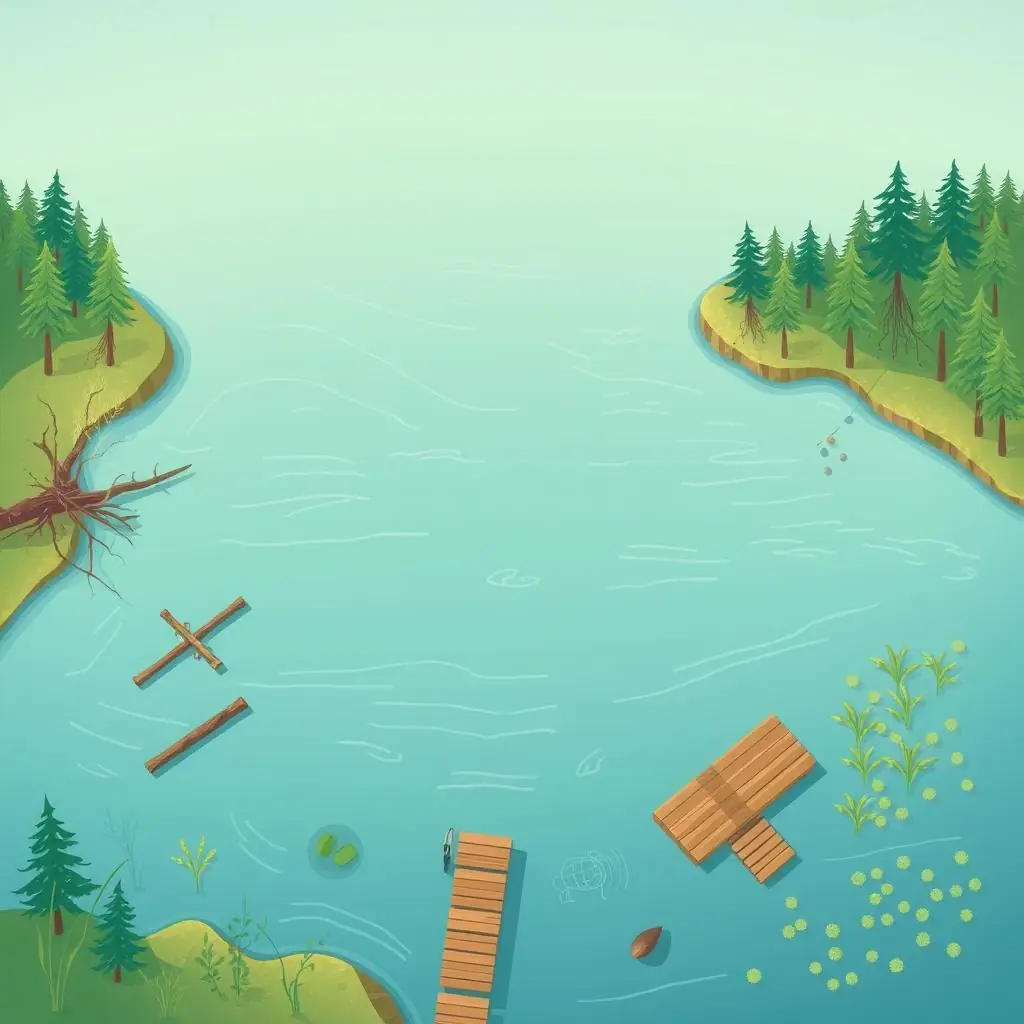
When current hits an object, it often creates a calmer pocket behind it. That pocket is called an eddy. Fish may rest there while watching food pass by on the edge. Cast upstream or slightly across, then let your bait drift toward the soft water.
You do not need a long cast. In fact, short casts are easier to control and safer for beginners. Many good river fish are closer to the bank than new anglers expect.
Check Outside Bends and Drop-Offs
On a river bend, faster current often swings along the outside edge. That moving water can carry food and carve a slightly deeper channel. If there is cover nearby, such as a fallen limb or shaded bank, it is worth a careful try.
Drop-offs are another helpful clue. If shallow water suddenly turns deeper, food can tumble down and collect. Fish may sit just below that change, waiting for an easy meal.
A Simple River Setup That Does Not Overcomplicate Things
For most beginner river trips, keep the setup simple. A medium spinning rod, 6- to 10-pound monofilament line, a few small hooks, split shot weights, bobbers, and live bait can cover a lot of gentle river situations. If you prefer lures, small inline spinners or soft plastics can work well when drifted or retrieved naturally.
- For calm pockets: try a worm under a small bobber and adjust the depth until it drifts near cover.
- For seams: use enough split shot to keep the bait controlled without pinning it to the bottom.
- For shallow runs: cast slightly upstream and let the bait move with the water like natural food.
- For snaggy banks: keep casts short and retrieve before the rig reaches heavy branches or roots.
The goal is not to cover the whole river. The goal is to fish a few smart spots well.
Pros and Cons of River Fishing for Beginners
Plenty of Natural Fish Holding Spots
Rocks, bends, eddies, shade, and current seams give beginners clear places to aim instead of casting blindly.
Simple Gear Can Work
You can start with basic spinning tackle, live bait, and a small selection of weights without buying a boat or advanced electronics.
Every Trip Teaches You Something
Because moving water shows visible clues, each outing helps you understand seams, eddies, depth, and cover a little better.
Current Can Be Tricky
Your bait may drift faster than expected, especially after rain or in narrow sections of river.
Snags Are Common
Rocks, roots, and fallen wood hold fish, but they can also grab hooks if you fish too deep or too slowly.
Beginner Mistakes to Avoid
The biggest mistake is standing in one place and casting to the same empty water over and over. Give a good-looking spot several careful casts, then adjust. Try the seam, the slow side, the tail of the eddy, and the shaded edge before moving on.
Another mistake is using too much weight. Heavy sinkers can make bait look unnatural and increase snags. Use just enough weight to keep contact with the rig. If your bait is moving a little slower than the surface current, you are often in the right neighborhood.
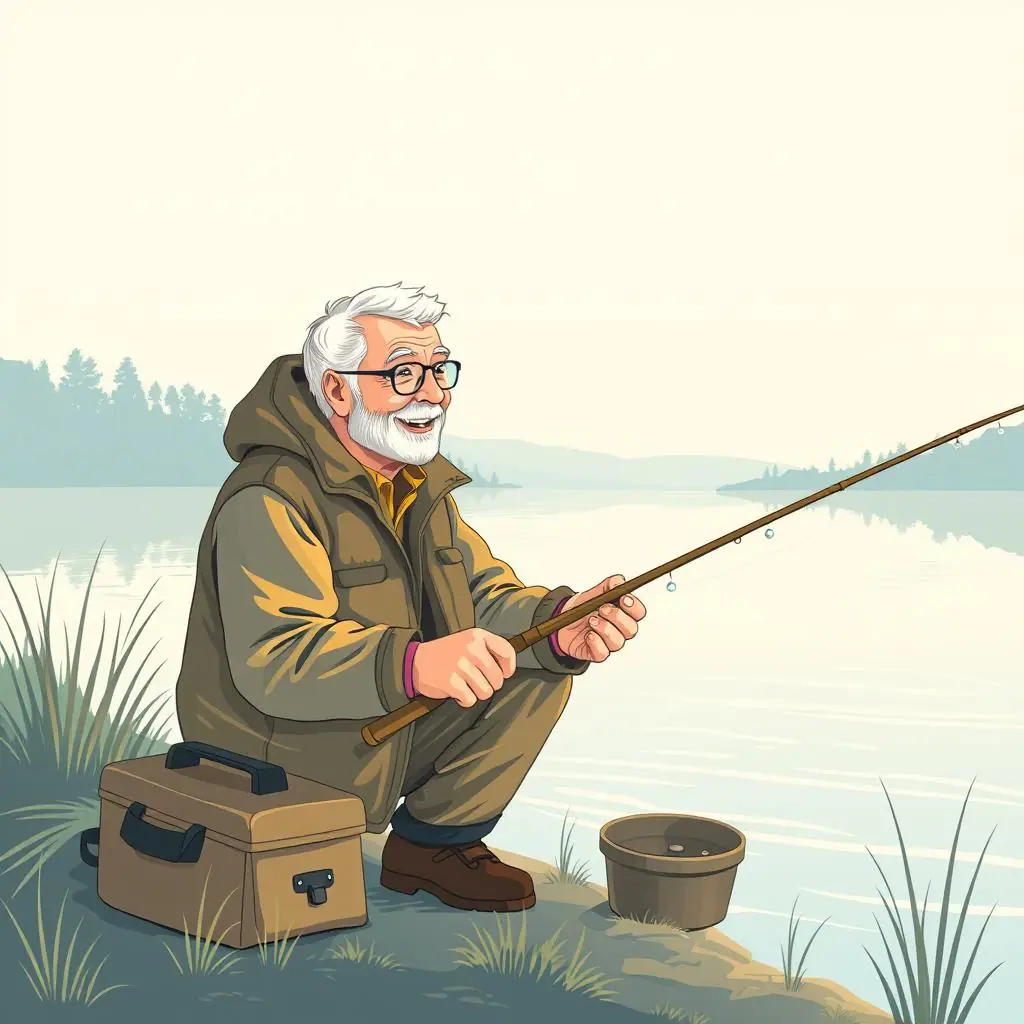
Finally, do not ignore comfort. Good shoes, a folding chair, water, sun protection, and a small tackle bag make river fishing more enjoyable, especially if you are introducing a spouse, friend, or grandchild to the day.
Frequently Asked Questions
Where should a beginner cast first in a river?
Start where fast water meets slow water, especially near rocks, bends, eddies, or shade. These edges often let fish rest close to drifting food.
Is river fishing harder than pond fishing?
It can feel harder at first because the water moves, but the current also gives you clues. Once you learn seams and eddies, rivers become much easier to read.
Do I need special gear for river fishing?
No. A basic spinning rod, light to medium line, hooks, split shot, bobbers, and live bait are enough for many beginner-friendly rivers.
Should I fish before or after rain?
Light changes can help fishing, but high, muddy, fast water can be unsafe and difficult. If the river is rising quickly or looks dangerous, wait for calmer conditions.
Final Thoughts
River fishing basics come down to one calm habit: watch first, cast second. Look for slower water near faster water, cover near food, and safe footing before anything else. Once you start seeing seams, eddies, bends, and drop-offs, the river becomes a friendly guide instead of a moving mystery.
Keep your first trips short, simple, and comfortable. A few smart casts in the right places can teach you more than a long day of guessing.