
If you’ve ever wondered how some anglers consistently catch fish while moving through the water, the answer often lies in their mastery of spinner fishing. This versatile technique uses artificial lures with rotating blades to mimic injured baitfish, triggering aggressive strikes from predatory fish. Unlike stationary methods, spinner fishing keeps you actively engaged as you work the water systematically.
What makes spinner fishing particularly effective is the vibration and flash created by the spinning blade. This combination of movement, light reflection, and underwater disturbance appeals to a fish’s natural hunting instincts. Even in murky water where fish can’t see clearly, they can feel and hear the spinner’s signature vibration pattern.
This guide will teach you everything you need to know about using artificial bait with spinning blades – from selecting the right lure to mastering the retrieve techniques that trigger strikes.
What Makes Spinners So Effective
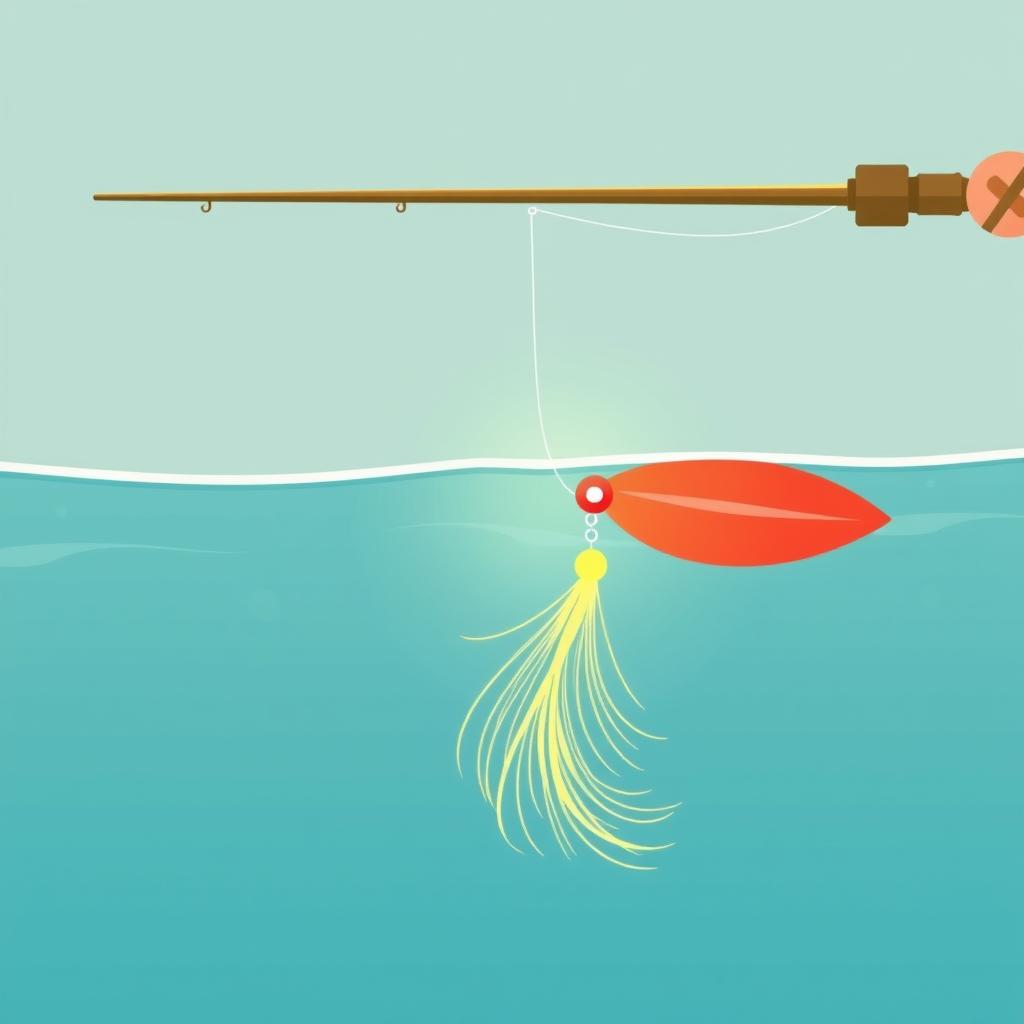
Spinner fishing works on a simple principle: fish are programmed to attack wounded or struggling baitfish. The spinning blade creates the perfect illusion of an injured fish trying to escape, complete with erratic flashing and vibrations that travel through the water.
The beauty of spinner fishing lies in its versatility. You can cover water quickly, fish at various depths, and target multiple species with the same basic technique. Spinner bait works year-round, though the approach changes with water temperature and fish activity levels.
Key advantages of spinner fishing:
- Active technique: Keeps you moving and covering more water
- Versatile depths: Fish from surface to deep water with weight adjustments
- Multi-species appeal: Effective for bass, pike, trout, walleye, and more
- Weather resistant: Works in cloudy, sunny, or choppy conditions
- Beginner friendly: Simple retrieve patterns with immediate feedback
Types of Spinner Lures
Understanding different spinner styles helps you match the lure to fishing conditions and target species. Each type has specific advantages in certain situations.
Inline Spinners
The most common type of spinner, with the blade rotating around a central shaft. These are perfect for beginners because they’re simple to use and work in most situations.
🏆 French Blade Spinners — Narrow and Fast
Tear-drop shaped blades that spin close to the shaft. Perfect for fast current and aggressive fish. Best for: Rivers and active feeding periods.
⭐ Colorado Blade Spinners — Round and Thumpy
Wider blades create maximum vibration at slower speeds. Excellent in murky water where fish rely on feeling vibrations.
🎣 Willow Blade Spinners — Long and Flash-Heavy
Slim, elongated blades that flutter rather than spin. Great in clear water where the flash attracts attention.
Weighted Spinners
These have additional weight ahead of the blade, allowing you to fish deeper water or cast farther. Essential for reaching fish in deeper holes or fishing from shore where distance matters.
Spinner Fishing Techniques
Success with spinners comes from mastering different retrieve patterns. Unlike live bait fishing, you control the action completely, which means you can experiment until you find what triggers fish to strike.
Basic Steady Retrieve
The foundation of spinner fishing involves casting out and reeling in at a steady pace that keeps the blade spinning. The key is finding the minimum speed that maintains blade rotation – this varies by blade design and water conditions.
Watch your rod tip for the subtle vibration that indicates proper blade action. If you don’t feel the spinner working, you’re probably retrieving too slowly.
Retrieve Variations That Trigger Strikes
- Stop-and-go: Brief pauses during the retrieve make the spinner flutter like a dying baitfish
- Speed changes: Vary your retrieve speed to mimic erratic prey behavior
- Rod pumps: Short upward jerks add extra action between steady reeling
- Countdown method: Let the spinner sink to different depths before starting the retrieve
Working Different Water Depths
Spinners shine because you can fish the entire water column by controlling sink time and retrieve angle. Count down the seconds after your cast to target specific depth zones consistently.
For surface fishing, start your retrieve immediately. For deeper fish, let the spinner sink while counting – “one-thousand-one, one-thousand-two” – until you reach your target depth.
Target Species and Locations
Different fish species respond to spinners in predictable ways. Understanding these preferences helps you choose the right spinner and fishing locations.
Bass and Spinners
Bass love spinners around structure and cover. Focus on weed edges, fallen trees, rocky points, and drop-offs. Use larger spinners (size 3-5) with Colorado blades for maximum vibration in murky bass water.
Trout Waters
Trout respond well to smaller spinners (size 0-2) in natural colors. Fish upstream in moving water, letting the current help create natural spinner action. Focus on pools, eddies, and undercut banks where trout hide.
Pike and Muskie Areas
These toothy predators attack large, flashy spinners aggressively. Use heavy tackle and wire leaders to prevent bite-offs. Work weed edges, drop-offs, and areas where forage fish school.
Active, engaging technique
Keeps you moving and covering water systematically rather than waiting in one spot.
Versatile for multiple species
One technique works for bass, trout, pike, walleye, and other predatory fish.
Works in various conditions
Effective in clear or murky water, calm or choppy surfaces.
Requires constant movement
Not suitable for relaxed, stationary fishing sessions.
Can snag in heavy cover
Spinning blades catch on weeds and logs more easily than other lures.
Spinner Selection and Setup
Your tackle setup affects spinner performance dramatically. The wrong rod, reel, or line can prevent proper spinner action or result in lost fish.
Rod and Reel Recommendations
Medium action spinning rods (6.5-7 feet) provide the ideal balance of casting distance and fish-fighting power. Longer rods help with casting but can make it harder to feel the spinner’s vibration through the rod tip.
Pair your rod with a quality spinning reel that retrieves smoothly. Jerky reel action disrupts spinner performance and makes it harder to maintain consistent blade rotation.
Line Selection for Spinners
Monofilament line in 6-12 pound test works well for most spinner fishing. The slight stretch helps prevent fish from throwing the hook during aggressive strikes, while the lighter weight doesn’t interfere with spinner action.
Avoid heavy lines that create too much water resistance – this can prevent smaller spinners from achieving proper blade rotation, especially in slow current or calm water.
Common Spinner Fishing Mistakes
Even experienced anglers make mistakes that reduce spinner effectiveness. Recognizing and avoiding these errors will improve your success rate immediately.
Retrieve Speed Issues
The most common mistake is retrieving too fast or too slow. Too fast and fish can’t catch the spinner; too slow and the blade stops spinning. Find the minimum speed that maintains blade action, then experiment with variations from there.
Water temperature affects the ideal retrieve speed. In cold water, fish are sluggish and prefer slower presentations. In warm water, faster retrieves often trigger more aggressive strikes.
Frequently Asked Questions
What size spinner should I start with for general freshwater fishing?
Size 2 or 3 spinners work well for most freshwater species. They’re large enough to attract bass and pike but not too big for trout and panfish. Start with gold or silver colors in these sizes.
How do I know if my spinner is working correctly?
You should feel a steady vibration through the rod tip when the blade is spinning properly. If you don’t feel anything, you’re probably retrieving too slowly or the blade is fouled with weeds.
Can I use spinners in saltwater?
While this guide focuses on freshwater, spinners can work in saltwater for species like striped bass and redfish. Use corrosion-resistant models and rinse thoroughly after each use.
What should I do when my spinner keeps getting snagged?
Try using a lighter spinner or retrieve higher in the water column. You can also try single-hook models or add a snap swivel to help the spinner slide over obstacles.
Final Thoughts
Spinner fishing opens up a whole new dimension of angling that keeps you actively engaged with the water. Instead of waiting for fish to find your bait, you’re constantly searching for them with a lure that speaks their language of vibration and flash.
Start with a few basic spinners in proven colors and sizes. Master the simple steady retrieve before experimenting with variations. Pay attention to what the fish tell you – strike patterns, preferred depths, and retrieve speeds that work on each trip.
Remember that spinner fishing is both an art and a science. The science is in understanding blade types, retrieve speeds, and fish behavior. The art is in developing the feel for how your spinner is working and reading the subtle signs that fish are responding.
The next time you’re on the water, tie on a spinner and start covering ground systematically. You might be surprised at how this active approach changes your entire fishing experience – and your catch rate.