A spinning reel size guide should make your choice easier, not turn a quiet fishing hobby into a math test. If you are looking at 1000, 2500, and 3000 size reels, the simple question is this: what reel will balance your rod, hold enough line, and feel comfortable for the fish you actually chase?
For most beginner freshwater anglers, the answer usually lives in the middle. A 2500 size spinning reel is often the easiest all-around choice for pond, lake, dock, and bank fishing. A 1000 can be wonderful for light panfish and stocked trout. A 3000 gives a little more line capacity and grip for bigger water, heavier line, or stronger fish.
Why Spinning Reel Size Matters
Spinning reel size affects more than the number printed on the box. It changes how heavy the setup feels, how much line the spool holds, how quickly line comes back to the reel, and how balanced the rod feels in your hand after an hour of casting.
Take Me Fishing's beginner freshwater equipment guide says a 1000 to 3000 size spinning reel paired with a 7-foot medium action rod is a practical starter setup. That does not mean all three sizes feel the same. It means they all live in the beginner-friendly range when matched to the right rod and trip.
Start With the Fish and Water You Know
Before picking a reel size, picture your normal fishing day. Are you catching bluegill with a grandchild from a dock? Walking a small pond for stocked trout? Casting soft plastics for bass? Sitting along a river where a catfish might surprise you?
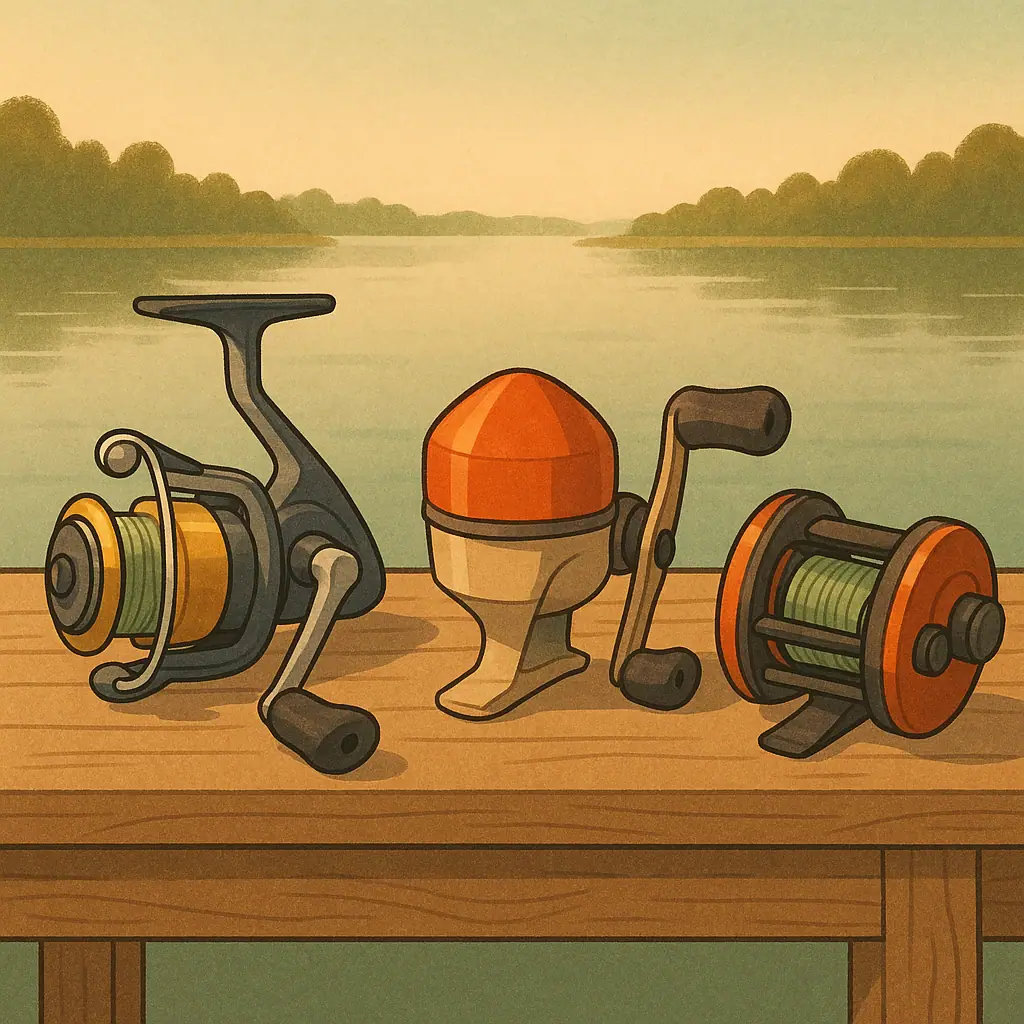
If you are still learning what a spinning reel does, ReelHow's guide to choosing your first fishing reel is a good foundation. Reel type comes first. Reel size comes after you know why a spinning reel fits your style.
1000 size: light and tidy
A 1000 size spinning reel is small, light, and pleasant on an ultralight or light rod. It is best for panfish, small trout, tiny jigs, small bobbers, and short relaxed casts. The tradeoff is line capacity and leverage. It is not the size I would choose for one do-everything beginner setup.
2500 size: the friendly middle
A 2500 size reel is the safest first guess for many freshwater beginners. It balances well on many 6- to 7-foot rods, handles common monofilament or braid choices, and feels right for bass, panfish, trout, and general pond fishing.
3000 size: a little more room
A 3000 size reel gives you more spool, often a little more weight, and more room for line. It can make sense for longer casts, heavier line, larger lakes, light river fishing, or anglers who want a reel that feels a touch stronger without jumping into heavy tackle.
How to Choose a Spinning Reel Size Step by Step
Do not choose by number alone. A size label is helpful, but every brand builds reels a little differently. Hold the reel on the rod if you can, then work through these checks.
- Match the rod first: a 1000 usually belongs on light or ultralight rods, while 2500 and 3000 sizes fit many medium-light and medium spinning rods.
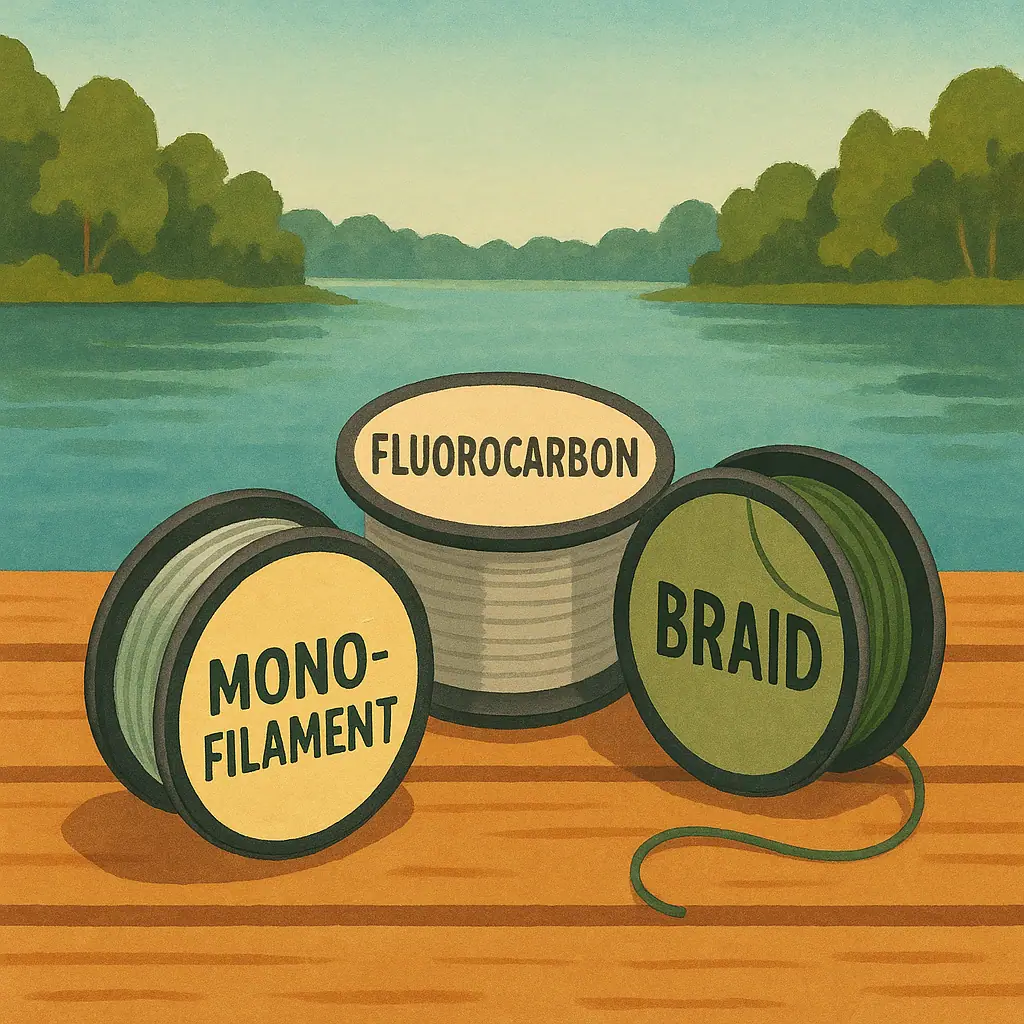
- Think about line: lighter line works well on smaller reels; heavier line usually benefits from the extra spool size of a 2500 or 3000.
- Check balance in your hand: mount the reel, hold the rod normally, and see whether the tip feels heavy or the reel feels bulky.
- Picture your common fish: panfish and stocked trout can be fine on 1000; mixed bass and panfish trips often point to 2500; bigger water may point to 3000.
- Avoid overspending on size: a larger reel is not automatically better if it makes the whole setup tiring to cast.
If you are building the whole kit at once, keep the budget balanced. A sensible reel, good line, hooks, sinkers, pliers, and a small tackle box matter more than buying the biggest reel in the case. ReelHow's budget fishing setup guide can help you keep the full package practical.
Pros and Cons of Common Reel Sizes
1000 feels light
Small reels are comfortable for short sessions, delicate presentations, and light rods used for panfish or trout.
2500 covers many trips
The middle size works with many beginner rods and handles common freshwater fish without feeling too specialized.
3000 adds capacity
A slightly larger spool can help with longer casts, heavier line, and fishing spots where fish may run farther.
1000 can feel limited
It may run short on line capacity or feel underpowered when a larger bass, catfish, or strong current enters the picture.
3000 can feel bulky
On a light rod, the extra size can make the setup feel nose-light, awkward, or more tiring than needed.
Common Gear Mistakes to Avoid
The first mistake is assuming the biggest number is the best value. A reel that is too large can make a relaxed bobber setup feel heavy and clumsy. The second mistake is buying the tiniest reel because it feels cute and light in the store. Tiny tackle is fun, but it can frustrate beginners if the fish, line, or water call for more capacity.
Also remember that reel size does not replace local judgment. If you are fishing new water, especially if you might keep fish, check your state rules before you go. The U.S. Fish and Wildlife Service offers a state fishing license and information hub that can point you toward the right agency.
A Simple Spinning Reel Size Checklist
- Mostly panfish, trout, and tiny lures? Try a 1000 on a light rod.
- Want one beginner reel for ponds and small lakes? Start with a 2500.
- Fishing bigger water or using heavier line? Compare a 3000 and see if the extra size still feels comfortable.
- Already own the rod? Bring it to the shop or check the rod's recommended line and lure ratings.
- Buying online? Read the reel weight and line capacity, not just the size number.
- Still unsure? Choose comfort and balance over a specification that sounds impressive.
Comfort matters more on long days than most beginners expect. If you plan to sit, cast, and relax for several hours, the ReelHow guide to comfortable fishing gear for long days pairs well with reel choice.
When to Get Extra Help
Ask a local bait shop, fishing club, park program, or experienced friend if your water has a special need. Some small ponds reward light tackle. Some river banks call for more line, stronger drag, and a reel that can handle a little rougher use.
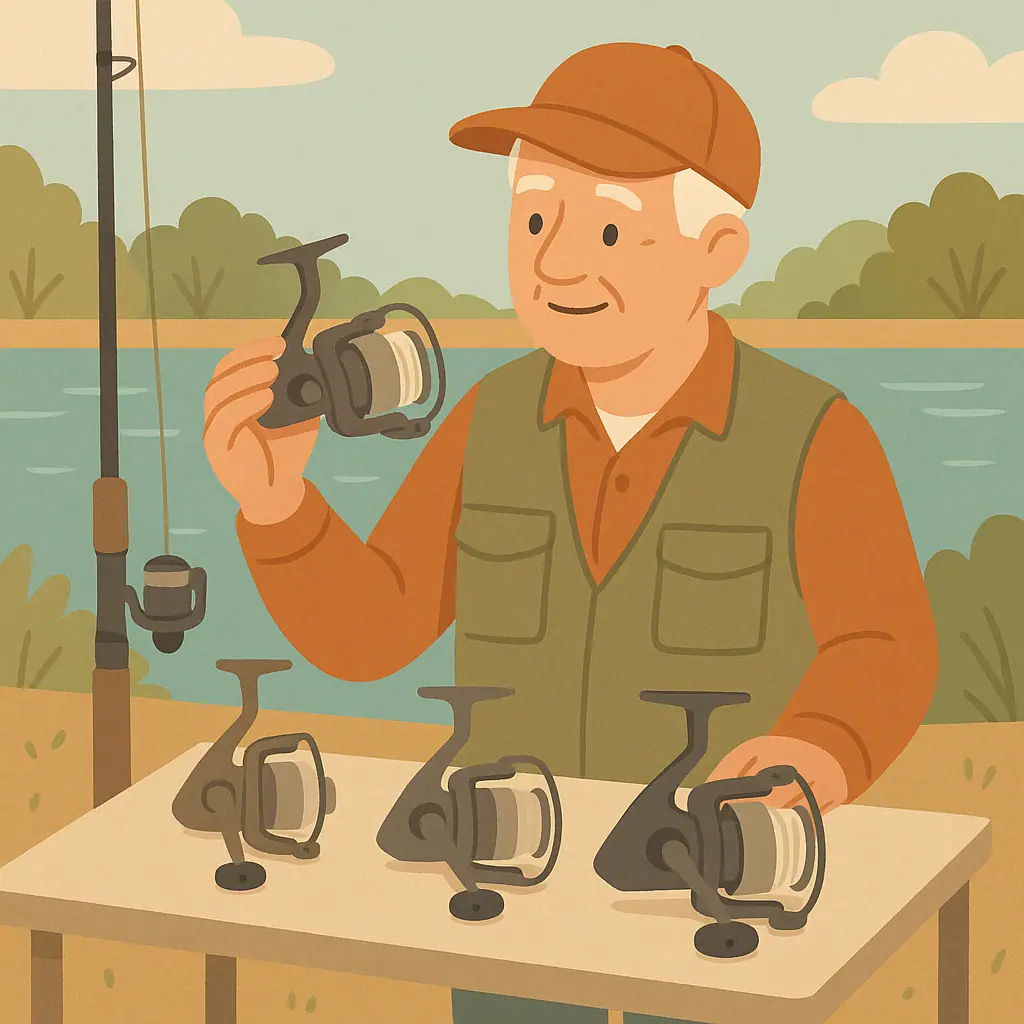
When comparing two sizes in person, mount each reel on the same rod and hold it the way you fish. If one feels steady and the other makes your wrist work harder, that is useful information. Fishing gear should invite you back outside, not wear you out before the first bite.
Frequently Asked Questions
What spinning reel size is best for beginners?
For many beginner freshwater anglers, a 2500 size spinning reel is the best first place to look. It is versatile without feeling too tiny or too bulky.
Is a 1000 size reel too small?
No, but it is more specialized. It shines with light rods, small lures, panfish, and trout. It is less ideal as one all-purpose freshwater reel.
Should I choose a 2500 or 3000 spinning reel?
Choose 2500 for general pond and lake fishing with a balanced medium-light or medium rod. Try 3000 if you want more line capacity, longer casts, or a little more reel body.
Do reel sizes mean the same thing across brands?
Not exactly. Size numbers are helpful, but weight, spool capacity, drag, and frame size can vary. Compare the specifications and, when possible, feel the reel on your rod.
Final Thoughts
A good spinning reel size guide should leave you with a simple next step. If you fish light panfish or trout gear, look at 1000. If you want one easy freshwater setup, start with 2500. If you need more room for line and bigger water, compare 3000.
Most beginners do not need the perfect reel on day one. They need a comfortable, balanced reel that makes casting easier and gives them confidence to keep learning.