
If you’ve ever wanted to experience truly great fishing, spring is your season. After a long winter of cold, sluggish water, fish are hungry, active, and moving into shallower areas — and that makes them much easier to catch. Even total beginners can have outstanding days on the water during March, April, and early May.
Think of spring fishing like waking up ravenous after a long fast. The fish have been conserving energy all winter in deep, cold water. The moment temperatures start climbing, it’s feeding time. And when fish are hungry and actively hunting, your bait doesn’t have to be perfect — it just has to be there.
Why Spring Is Special for Freshwater Fishing
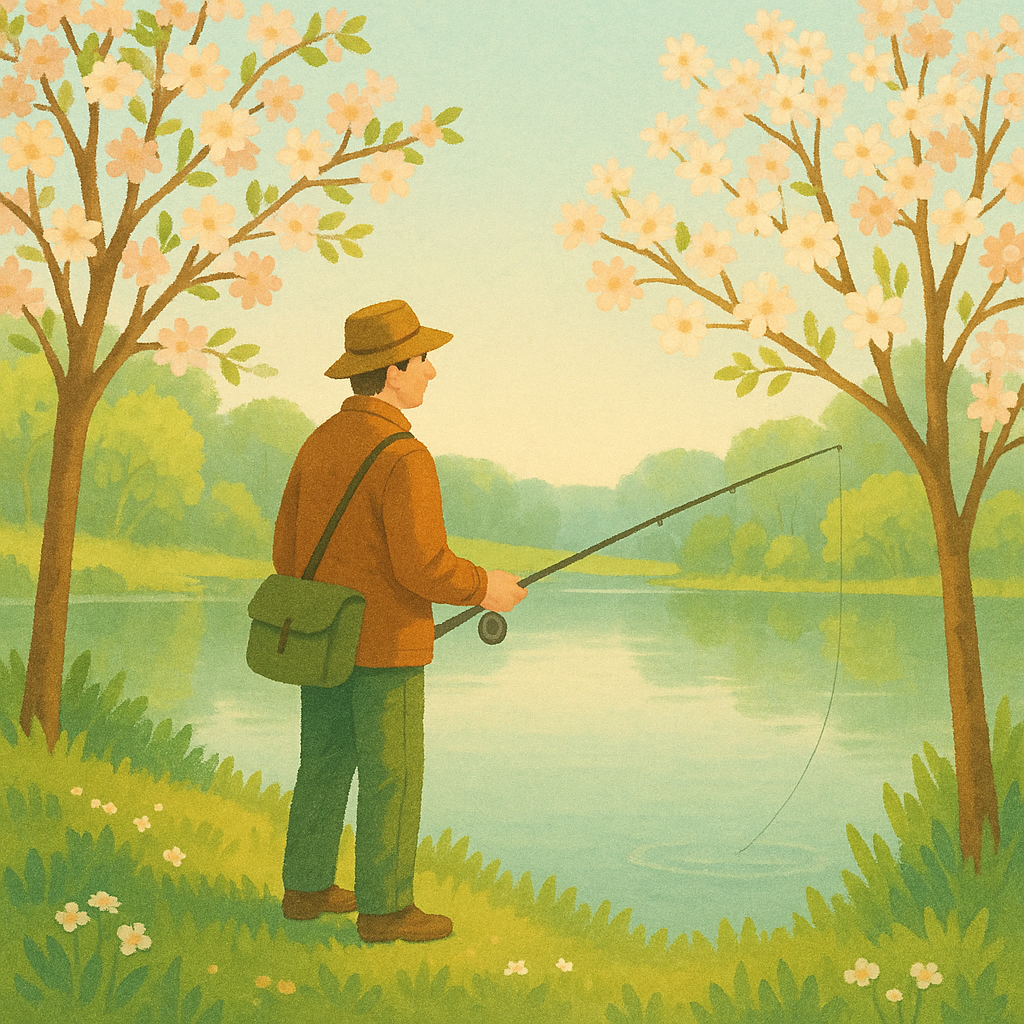
Water temperature is the key that unlocks spring fishing. As ice melts and sun warms the shallows, fish instincts kick in hard. Bass begin migrating from deep wintering holes toward spawning flats. Trout become aggressive feeders as insect hatches begin. Panfish like bluegill and crappie school up in predictable spots near shoreline structures.
According to fishing research, bass are most active when water temperatures reach 55–75°F — a range that many freshwater lakes hit between March and May depending on your region. During this window, fish feed heavily to prepare for spawning, and larger, older fish (the ones worth catching) are often more accessible than at any other time of year.
Where to Find Fish in Spring
Location is everything in spring fishing. Fish don’t randomly scatter — they follow predictable patterns as water temperatures change.
- Shallow flats near structure: Submerged logs, rocks, dock pilings, and weed beds warm faster than open water. Bass, crappie, and bluegill hold near these areas, using them for cover while they feed.
- Creek mouths and channels: These act like highways for spring fish migration. Bass and crappie follow these routes from deep wintering zones to shallow spawning grounds.
- Sunny banks and coves: South-facing banks receive more direct sunlight and warm up first in early spring. These spots often hold fish several weeks before other areas heat up.
- Stocked streams and rivers: State wildlife agencies stock trout in rivers and streams throughout spring. Check your state fish and wildlife website for stocking schedules — they’re often posted publicly and free to access.
Best Spring Fishing Techniques for Beginners
Early spring requires patience and a slower approach. Cold water fish are more deliberate — they won’t chase a fast-moving bait across the lake. As the season progresses into late April and May, fish become aggressive enough to strike faster presentations.
- Slow and steady retrieves: Whether using a lure or live bait, slow down in early spring. Let your bait sink, pause, and sit. Cold-water bass and trout often need extra time to commit to a strike.
- Bobber and live bait: The simplest and most effective spring setup for beginners. A worm or cricket under a bobber placed near a dock piling or submerged brush can be deadly for crappie, bluegill, and perch.
- Spinners: Small inline spinners in gold or silver are excellent for spring trout and bass. They create flash and vibration that triggers feeding reflexes even in cold water. Cast upstream or across current and retrieve slowly.
- Jigs with soft plastic trailers: A 1/8 or 1/4 oz jig tipped with a small crawfish or grub imitation dragged slowly along the bottom is one of the most productive spring bass techniques. Let it fall, drag it two feet, pause, repeat.
Spring Fishing by Species
Different species have different spring windows. Understanding this helps you target the right fish at the right time:
- Bass (largemouth and smallmouth): Prime feeding begins when water hits 50°F. Pre-spawn bass in March–April are large and hungry. Focus on medium-depth structure — dock areas, rock points, and submerged wood.
- Trout: Spring is peak trout season in most of the U.S. They feed heavily as water warms from 40°F to 60°F. Look for riffles, pools, and current seams in rivers. Worms, small spinners, and dough baits all work well.
- Crappie: Spawn in shallow water when temperatures reach 58–65°F, usually April–May. During spawning, crappie are aggressive and easy to catch near brush piles, boat docks, and fallen trees in 2–6 feet of water.
- Bluegill and panfish: Start biting well in April and explode into May. Small hooks with worms or crickets near any structure in 3–8 feet of water produces consistent results.
Fish are actively feeding
Spring hunger means fish are less selective about bait — perfect for beginners still refining their technique.
Fish are in predictable locations
Pre-spawn migration patterns make fish easier to locate than in summer when they scatter across deeper water.
Comfortable temperatures
Cool spring air and mild sun make long days on the water pleasant without the brutal heat of summer.
Unpredictable weather
Spring storms and temperature swings can shut fishing down quickly. Always check the forecast and dress in layers.
High water and muddy conditions
Spring runoff can muddy lakes and rivers, making fishing tougher. Move to protected coves or calm inlets during heavy runoff.
Frequently Asked Questions
What is the best month for spring fishing?
April is often the best month in most of the U.S. — water is warm enough to trigger active feeding but fish haven’t fully entered spawning mode yet, making them easier to catch. March is excellent for bass in Southern states. May is prime time for trout in mountain regions.
What’s the best bait for spring fishing?
Live nightcrawlers (worms) are the most versatile spring bait — they catch bass, trout, catfish, crappie, and bluegill. For lures, small gold spinners and slow-rolled jigs are consistently productive across species.
Does rain affect spring fishing?
Yes, but not always negatively. Light rain often triggers feeding activity, especially for bass. Heavy rain muddies the water and can slow fishing. Overcast days immediately following rain can be some of the best fishing days of the year.
Should I use different gear in spring compared to summer?
Not necessarily. Your same basic spinning setup works year-round. The main adjustment is presentation speed — fish slower in cold water, faster as temperatures rise. Line weight can drop slightly (lighter line for clear spring water) but it’s not required for beginners.
Final Thoughts
Spring fishing is nature’s gift to anglers. Fish are hungry, active, and in locations you can actually reach. If you’ve been waiting for the right time to get out there, this is it. Pick a sunny afternoon in April, find a local lake or stocked stream, tie on a worm under a bobber, and experience what fishing is all about.
Some of the most memorable catches I’ve seen happen in spring — not because of skill, but because the fish were simply ready to bite. Get out there and let spring do the work for you.