
Walleye fishing offers one of the most rewarding experiences in freshwater angling. These fish aren’t just beautiful—they’re delicious, challenging to catch, and found in lakes and rivers across North America. If you’ve ever wanted to try walleye fishing but felt intimidated, you’re in the right place.
Unlike bass that slam your bait, walleye bites feel more like a gentle tap or dull thump. They’re cautious feeders, which makes landing one all the more satisfying. With the right approach and a little patience, you’ll be reeling in walleye before you know it.
What Is a Walleye?
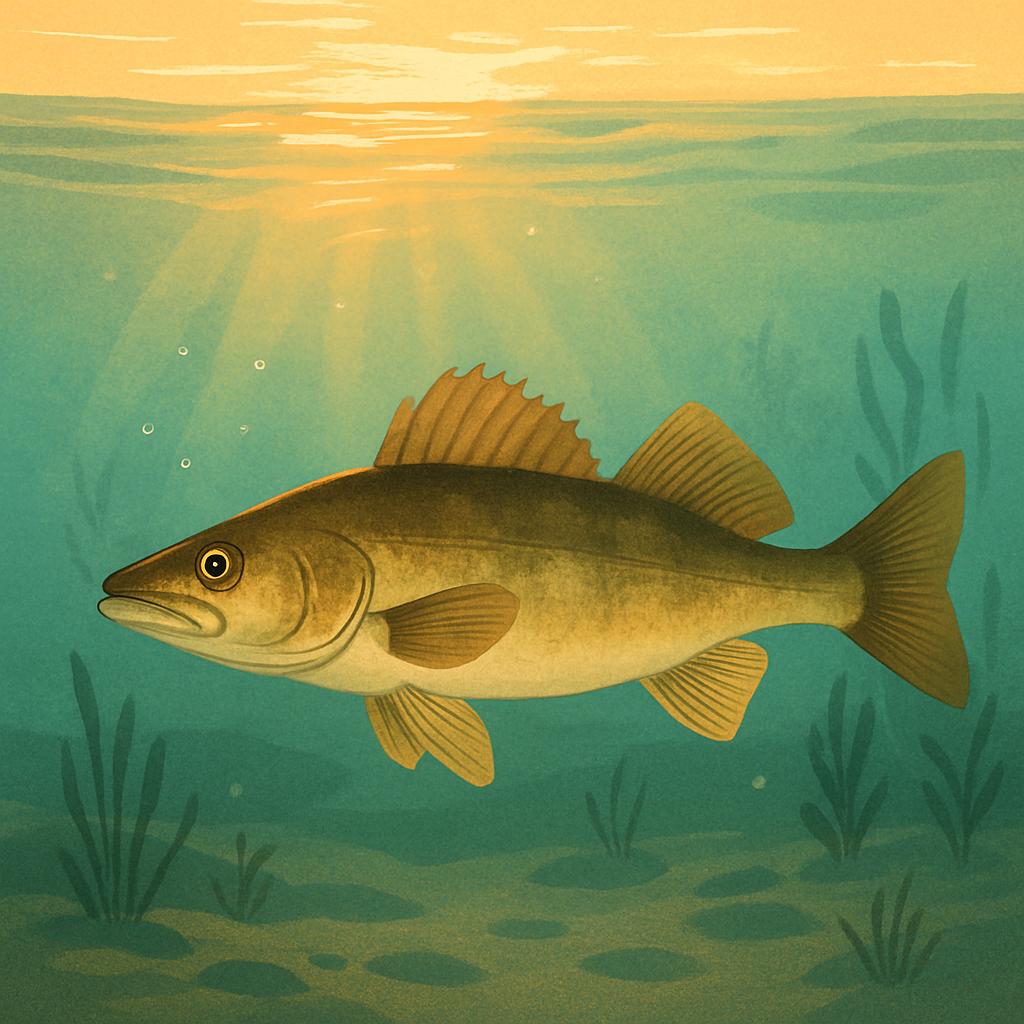
Walleye are named for their distinctive pearlescent eyes that seem to glow in low light. These eyes give them excellent vision in murky water and at dawn or dusk—which is exactly when they’re most active. As adults, walleye feed primarily on smaller fish like minnows and shad, though they’ll also eat insects during summer months.
They’re prized not only for the challenge they present but for their mild, flaky white meat. Many anglers consider walleye one of the best-tasting freshwater fish you can catch.
Why Walleye Fishing Matters for Anglers
Walleye fishing teaches you to read water conditions, understand fish behavior, and develop patience. It’s less about aggressive strikes and more about subtle detection and timing. This makes it a perfect next step after you’ve mastered easier species like bluegill or bass.
Plus, walleye populations are healthy in many states, and catching a trophy walleye (over 25 inches) is a realistic goal for patient anglers.
Proven Walleye Fishing Techniques
Success with walleye comes down to using the right technique at the right time. Here are the most effective methods for beginners:
Jigging with Live Bait
The jig-and-minnow combo is the bread and butter of walleye fishing. Use a 1/8 to 1/4 ounce jig tipped with a live minnow (like a shiner or fathead) or a nightcrawler. Hook the minnow through both lips from the bottom up, and use a slow, steady retrieve. Walleye prefer bait that looks natural and unthreatening.
On slow days, try vertical jigging: drop your jig to the bottom and make tiny 2-3 inch lifts every few seconds to mimic an insect or wounded baitfish.
Trolling Near Structure
Trolling is effective when walleye are scattered or deep. Move slowly (0.5 to 1 mph) near humps, points, or rock piles. Use bright-colored hard plastic baits like Fire-Tiger, Chartreuse, or Yellow—especially in spring when walleye are aggressive after spawning.
Keep your finger on the line with the bail open. When you feel a tap, let the fish take the bait for a few seconds before setting the hook with a smooth sweeping motion.
Drift Fishing with a Slip-Sinker Rig
This is a classic walleye setup. Use a slip-sinker rig with a size 4-8 hook on a 24- to 48-inch leader, attached to a barrel swivel. Thread an egg sinker on your main line above the swivel, and add beads to protect the knot.
Bait with leeches, nightcrawlers, or minnows. Let the wind or a trolling motor drift you slowly across structure, keeping your bait 6 to 18 inches off the bottom.
Where and When to Find Walleye
- Spring: Look for walleye near shallow sandy areas, spawning grounds, and feeder streams. They’re hungry and aggressive after spawning.
- Summer: As water warms, walleye move deeper. Target drop-offs, rock bars, and humps 15-30 feet down.
- Late Summer/Fall: Big females move back into shallow areas around sunset—prime time for trophy catches.
- Windy days: Wind oxygenates the water and concentrates baitfish, drawing walleye to wind-swept points and reefs.
Pros and Cons of Walleye Fishing
Excellent table fare—mild and flaky
Found across North America
Teaches advanced angling skills
Healthy populations in many lakes
Subtle bites require sensitive tackle
Low-light fishing can be challenging
May require a boat for best results
FAQ
What’s the best time of day to catch walleye?
Early morning (before sunrise) and evening (sunset through dusk) are peak times. Overcast days also produce well all day long.
Do I need special gear for walleye?
A medium-action spinning rod (6-7 feet) with 8-10 lb test line works great. Use a sensitive graphite rod to detect light bites.
What bait works best for walleye?
Live minnows (shiners, fatheads), nightcrawlers, and leeches are top choices. Jigs tipped with minnows are especially effective.
Can I catch walleye from shore?
Yes, especially in spring when they move shallow. Target rocky points, drop-offs near shore, and areas with current.
Final Thoughts
Walleye fishing rewards patience and attention to detail. Once you tune into their subtle bites and learn to fish during low-light periods, you’ll discover why so many anglers consider walleye their favorite freshwater species. The combination of challenge, beauty, and taste makes every walleye you land feel like a golden prize.
Start with a simple jig-and-minnow setup during early morning or dusk, and you’ll be on your way to consistent walleye success.