Walleye fishing offers one of freshwater angling's most rewarding challenges—a fish that fights well, tastes even better, and keeps you coming back for the puzzle of finding them. Unlike bass that announce their presence with explosive strikes, walleyes demand patience, subtle detection skills, and an understanding of their habits. The reward? A beautiful golden-bronze fish with distinctive marble eyes and some of the finest eating you'll find in freshwater.
If you've heard walleyes are tricky to catch, you're not wrong—but they're far from impossible once you learn their preferences. These fish thrive in cooler waters across the northern United States and Canada, making them accessible to millions of anglers willing to adjust their approach. Whether you're fishing a quiet river current or a massive reservoir, walleyes offer year-round opportunities for anglers who understand where they roam and what triggers a bite.
What Is Walleye Fishing?
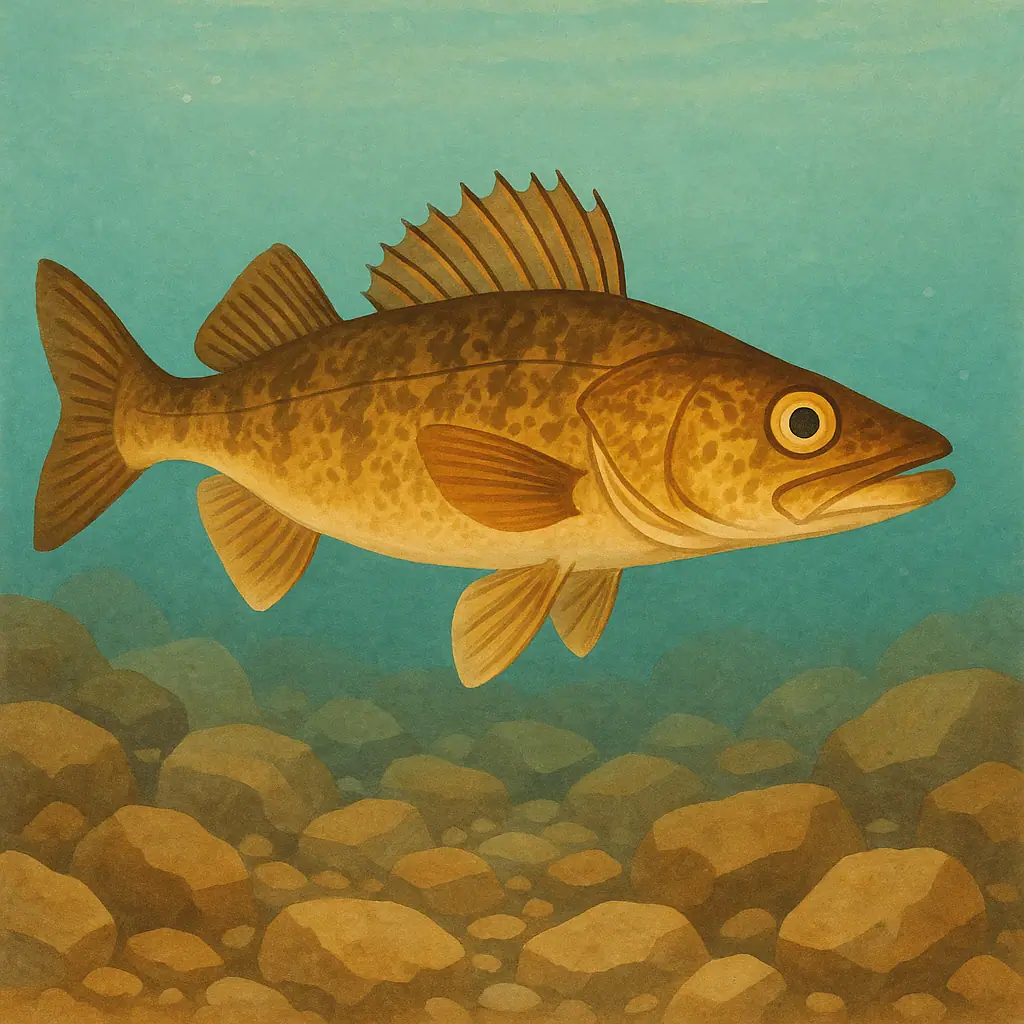
Walleye fishing is the practice of targeting Sander vitreus, a freshwater species prized for both sport and table quality. Walleyes are distinguished by their large, reflective eyes (designed for low-light hunting), olive-gold coloring with darker mottling, and a white-tipped lower tail fin. They typically range from 12 to 20 inches, though trophy fish over 10 pounds are caught regularly in prime waters.
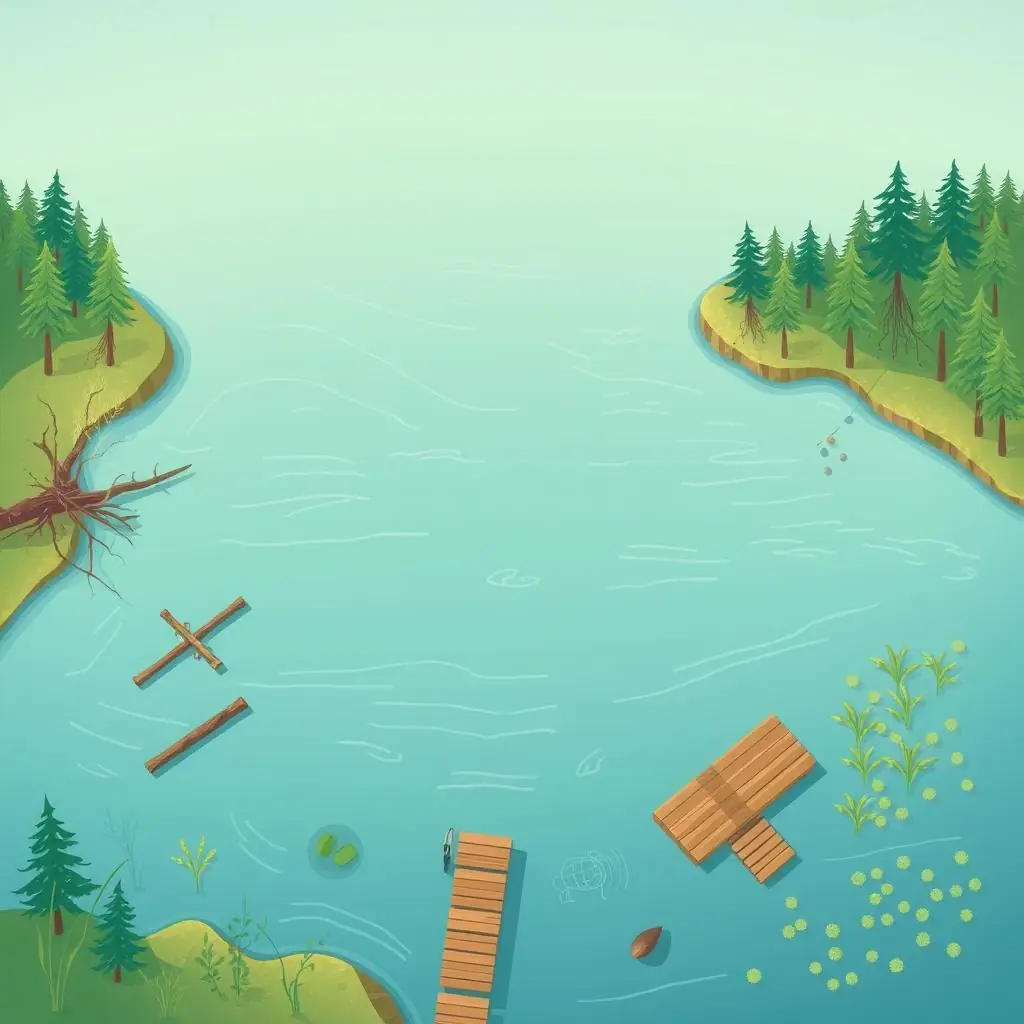
These fish are structure-oriented predators—they patrol rocky points, deep humps, weed edges, and current seams where baitfish concentrate. Unlike surface feeders, walleyes prefer depths of 10 to 40 feet during most seasons, moving shallower during dawn, dusk, and overnight feeding periods. Understanding this depth preference is your first step toward consistent success.
Why Walleye Are Worth Pursuing
Beyond the biological fascination, walleyes represent a fishing challenge that rewards skill over luck. Unlike species that aggressively hit anything shiny, walleyes require precise presentation, depth control, and bait selection matched to conditions. This makes every catch feel earned rather than accidental.
The culinary payoff is hard to overstate. Walleye fillets are mild, flaky, and versatile—whether pan-fried, baked, or grilled. Many anglers consider walleye the best-tasting freshwater fish, surpassing even trout and bass. This combination of sport and table value keeps walleye fishing popular across generations.
Best Techniques for Beginners
Walleye fishing success comes down to three beginner-friendly techniques that cover most situations:
- Jigging: The most versatile walleye method. Cast a 1/4 to 1/2-ounce jig tipped with a minnow or soft plastic, let it sink to the bottom, then retrieve with slow, steady lifts. Walleyes often strike on the drop, so maintain light tension to feel the subtle thump of a bite. Vertical jigging works when you are over fish shown on a depth finder.
- Drift Fishing: Use wind or a trolling motor to drift slowly (0.5-0.7 mph) over productive structure while dragging live bait rigs. This covers water efficiently and presents bait naturally. A slip-sinker rig with a nightcrawler or leech works beautifully for this approach.
- Bobber Fishing: Set a slip bobber to suspend your bait 1-2 feet off the bottom near rocky reefs, humps, or weed edges. This method is effective year-round and requires minimal gear—perfect for relaxed fishing from shore or a boat.
Each technique has its place depending on season, depth, and fish activity. Start with jigging to learn bite detection, then expand to drift and bobber methods as you gain confidence.
Choosing the Right Bait
Walleyes are opportunistic feeders, but they show clear preferences based on season and water conditions. Live bait is the beginner's best friend, while artificial lures shine once you understand retrieve speeds and depth zones.
🏆 Minnows — The Walleye Magnet
Live minnows hooked through the lips and fished on a jig or slip-sinker rig are hard to beat. Walleyes rarely refuse a lively shiner or fathead minnow, especially in spring and fall when baitfish schools concentrate near spawning areas.
⭐ Nightcrawlers — Year-Round Reliable
Worms are easy to find, simple to rig, and effective in all seasons. Thread a nightcrawler onto a worm harness or slip-sinker rig for natural presentation. The scent and movement trigger bites even from inactive fish.
🎯 Leeches — Summer Secret
Leeches thrive in warm water and offer irresistible action. Hook one through the sucker end and fish it on a slip bobber or slow drift. Walleyes find the wriggling movement hard to ignore.
For artificial options, consider soft plastic paddle tails (3-4 inches in white, chartreuse, or natural shad patterns) and crankbaits that dive to 10-15 feet. Experiment with colors—chartreuse and white work well in most conditions, but darker colors can shine in stained water.
Tips for Success
- Fish dawn and dusk: Walleyes move shallow during low-light periods to feed on baitfish. Target points, sandbars, and weed edges in 5-15 feet of water during these prime times.
- Detect subtle bites: Walleye strikes feel like a dull thump or sudden weight—not the hard slam of a bass. Keep your line tight, watch for any change in tension, and set the hook with a firm upward rod snap when you feel resistance.
- Use light jigs: Go with the lightest jig that still lets you feel bottom contact. Walleyes prefer slow-falling baits, and lighter jigs give them more time to strike.
- Don't skip windy days: Wind oxygenates water and pushes baitfish into tight schools near wind-swept points and reefs. Walleyes ambush these concentrations, making windy days surprisingly productive.
- Adjust depth seasonally: Spring and fall = shallow (5-15 feet near shore). Summer = deeper (20-40 feet in cooler thermocline zones). Winter = variable, often near current or deep structure.
Pros and Cons
Pros
- Excellent table quality—mild, flaky fillets
- Available year-round in many northern waters
- Rewarding challenge that improves angling skills
- Good fight with steady, head-shaking runs
Cons
- Bites are subtle and easy to miss for beginners
- Require depth control and structure knowledge
- Less active in bright midday light
- Can be finicky during weather fronts
Frequently Asked Questions
What's the best time of year to catch walleye?
Spring (post-spawn) and fall (pre-winter feeding) offer the most consistent action. Walleyes move shallow and feed aggressively during these periods. Summer fishing is productive but requires finding deeper, cooler water.
Do I need a boat to catch walleye?
Not necessarily. Shore anglers catch walleyes from rocky points, river current seams, and dam tailwaters. A boat expands your range to offshore structure, but plenty of walleyes are caught from land.
What rod and reel setup works for walleye?
A 6.5 to 7-foot medium-light to medium-action spinning rod with 8-10 lb monofilament line handles most walleye situations. Graphite rods offer better sensitivity for detecting light bites.
Why are walleyes called marble eyes?
Their large, reflective eyes have a cloudy, marbled appearance due to the tapetum lucidum layer. This adaptation enhances low-light vision, making walleyes effective hunters at dawn, dusk, and night.
Final Thoughts
Walleye fishing teaches patience, precision, and the satisfaction of solving a puzzle every time you hit the water. These fish won't jump in your boat—they demand understanding of depth, structure, and subtle bite detection. But once you connect the dots, walleyes become reliable targets that deliver both sport and exceptional table fare.
Start with simple jigging or bobber techniques, focus on dawn and dusk periods, and don't overthink the bait—live minnows and nightcrawlers catch walleyes everywhere they swim. With practice, you'll develop the feel for those subtle thumps and the confidence to target walleyes in any season.