Windy day fishing tips do not need to be fancy. Most beginners just need a calmer casting angle, a slightly heavier setup, and permission to fish the water that is easiest to control.
Wind can turn a relaxed pond trip into a tangle of loose line, missed casts, and bait landing nowhere near the spot you picked. The good news is that wind is not always bad for fishing. It can push food, ripple the surface, and make fish feel a little less exposed. Your job is to work with it instead of trying to overpower it.
Why Wind Changes the Way You Cast
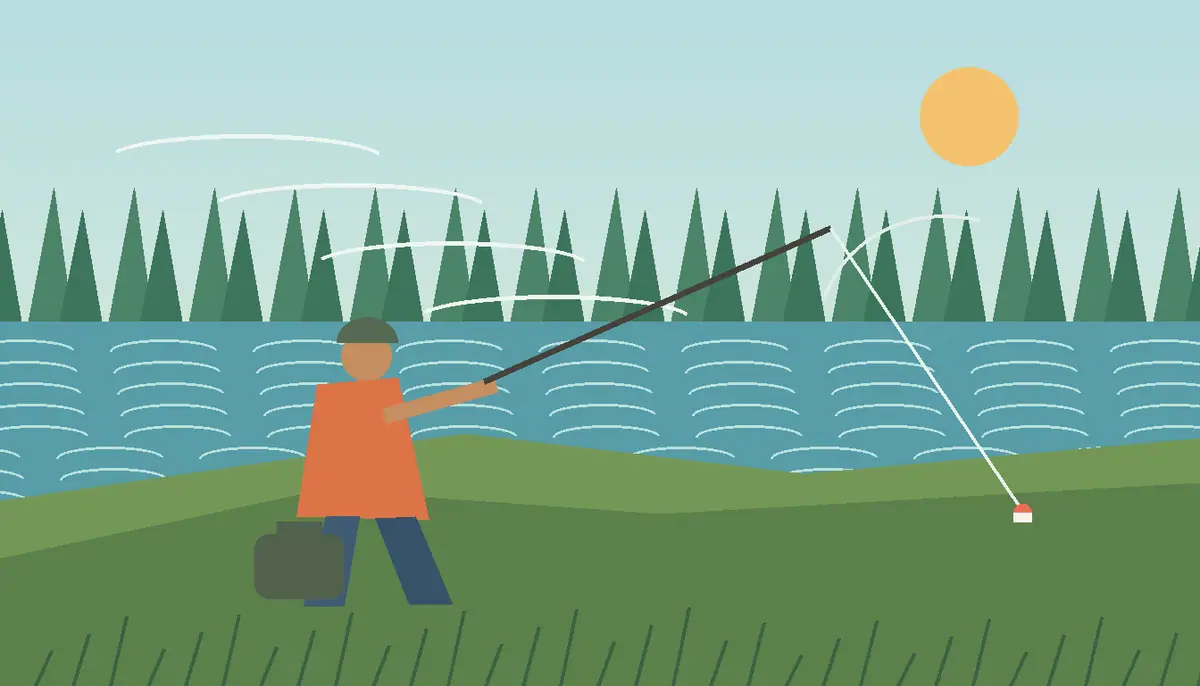
A fishing line is light, and a bait or lure only has so much weight to pull it forward. When wind catches that line, it creates a bow before your bait reaches the water. That bow makes casts land short, drifts your bobber sideways, and can hide small bites.
This is why windy day fishing tips are less about strength and more about control. A smooth, lower cast usually beats a hard overhead cast. A shorter cast to useful water beats a long cast that lands in weeds, rocks, or someone else's space.
If you are still building confidence, it also helps to pick trips around comfortable windows. The guide on the best times to fish explains why morning and evening often feel easier for both fish activity and angler comfort.
Start by Choosing the Calmest Water You Can Reach
Before changing tackle, look around. Wind usually hits one bank harder than the other. A small point, row of trees, dock, cove, or bend in the shoreline can block enough wind to make casting easier.
Use the wind at your back when possible
If the wind is blowing from behind you toward the water, it can help carry the cast. Stand with your feet stable, make a gentle cast, and aim lower than usual. Do not whip the rod. Let the weight of the bait do the work.
Avoid casting straight into heavy wind
Casting directly into wind is where many beginners get loops, slack, and backlashes. If you cannot move, cast slightly sideways across the wind and aim for closer targets. A fish near the bank still counts.
Seasonal conditions matter too. In warm weather, wind may make one shoreline cooler and more oxygenated. For a broader seasonal view, the article on summer fishing comfort is a useful companion because it keeps the focus on heat, shade, and realistic timing.
Simple Tackle Adjustments for Windy Day Fishing Tips
You do not need a new tackle box for one breezy afternoon. Small changes can make your current setup easier to manage.
- Add a little weight: One extra split shot can help a baited hook turn over and land cleaner, especially with a bobber rig.
- Choose compact lures: A small spinner, spoon, or jig usually cuts wind better than a fluffy, lightweight bait.
- Shorten the distance: Pick targets you can hit smoothly. Accuracy matters more than distance.
- Watch the line after the cast: Close the bail by hand, take up slack, and keep a slight connection to the bait.
- Use a lower rod angle: A high rod tip lets wind grab more line. A lower tip keeps the line closer to the water.
Do one change at a time. If you add weight, test it for a few casts before changing your bobber depth or lure. Too many adjustments at once make it hard to know what helped.
A Step-by-Step Casting Routine for Breezy Banks
- Face a safe direction: Check behind you for people, branches, pets, and loose gear before every cast.
- Pick a close target: Choose a patch of open water you can reach without forcing the rod.
- Make a smooth sidearm cast: Keep the cast lower than usual so the bait spends less time in the wind.
- Stop the line gently: Feather the line with your finger or close the bail after the bait lands to reduce loose loops.
- Reel until connected: Remove extra slack before watching the bobber, lure, or line.
This routine is especially helpful from docks and open banks because wind can change direction in small gusts. When a gust hits, pause. There is no prize for casting at the worst possible second.
Wind can move fish closer
A rippled bank may collect food and give fish a little cover from bright light.
Short casts become more useful
Wind teaches beginners to focus on reachable water instead of chasing distance.
Surface chop can hide small mistakes
Light waves may make fish less wary of gentle movement near the bank.
Loose line gets harder to read
A bow in the line can hide bites and make hooksets feel late.
Open water can become uncomfortable
Strong wind makes boat control, balance, and casting much more demanding.
Common Windy Day Mistakes to Avoid
The biggest mistake is trying to cast harder. A forceful cast often opens the loop, throws slack into the air, and makes the bait sail off target. Slow down instead.
Another mistake is ignoring safety because the fish might be biting. If wind is pushing waves, making footing unstable, or making a boat hard to control, choose a protected bank or save the trip for another day. Mossy Oak's fishing guide to casting with wind and rough weather reinforces the same practical idea: stay stable, slow down, and make the conditions work for you instead of fighting every gust.
A Simple Windy Day Checklist
- Can I stand safely? If the bank is slick, steep, or exposed, move.
- Is the wind helping or fighting my cast? Adjust your position before changing tackle.
- Can I cast shorter? Start close and expand only if you stay accurate.
- Do I need a little more weight? Add small amounts, not a heavy sinker that kills the bait's natural look.
- Am I watching slack? Reel gently until the line looks controlled after every cast.
Frequently Asked Questions
Is windy day fishing worth trying?
Yes, if conditions are safe and comfortable. Light to moderate wind can create surface ripple and move food along a bank. Strong wind that affects balance, boat control, or casting safety is a good reason to choose a protected spot or wait.
Should I use heavier line on windy days?
Usually no. Heavier line can catch more wind and reduce casting distance. For most beginner freshwater trips, keep your normal line and adjust weight, casting angle, and distance first.
What lure is easiest to cast in wind?
Compact lures such as small spoons, inline spinners, and simple jigs tend to cast better than very light or bulky lures. Pick one that matches the fish you are targeting and keep retrieves simple.
How do I keep a bobber from drifting too fast?
Fish closer, add a small amount of weight if needed, and cast so the bobber drifts through the target area instead of away from it. If it races sideways immediately, move to a calmer angle.
Final Thoughts
Windy day fishing tips work best when they make the trip calmer, not more complicated. Move first, shorten the cast second, and adjust tackle only when the simple fixes are not enough.
A breezy day can still be a good fishing day. Pick protected water, cast smoothly, and let each trip teach you one small adjustment you can use again.